
Email
 Jiangyin Triblues Technology Co., LTD.
Select Language
English


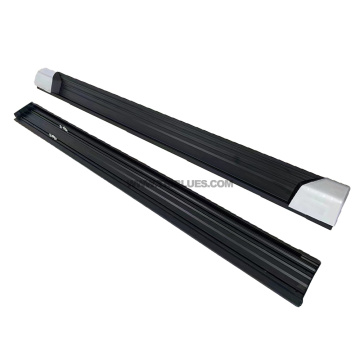
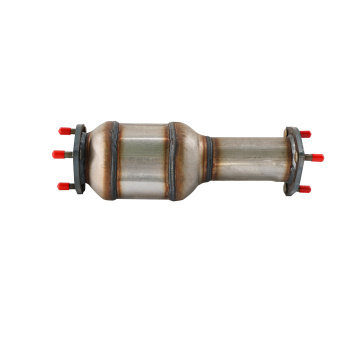

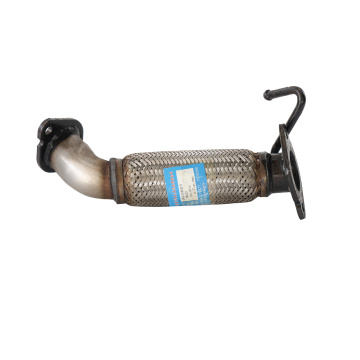
A **Volkswagen catalytic converter** is an essential emission control device designed to reduce toxic gases produced by the engine. It converts harmful pollutants like carbon monoxide, nitrogen oxides, and hydrocarbons into less harmful substances such as carbon dioxide, nitrogen, and water vapor.
For Volkswagen owners and fleet managers, understanding the role of this component is critical for maintaining vehicle compliance with environmental standards and ensuring optimal engine performance. Our company specializes in high-quality ceramic and metal honeycomb catalysts tailored for various Volkswagen models, providing a reliable solution for emission reduction.
Ensure your Volkswagen meets strict Euro 6 and other global emission standards with our precision-engineered converters.
Maintain backpressure levels that protect engine health while effectively treating exhaust gases.
As a specialized manufacturer in industrial waste gas treatment and automotive catalysts, Jiangyin Triblues Technology Co., LTD. offers a unique blend of academic research and industrial application. Our collaboration with top universities like Zhejiang University and Xi'an Jiaotong University ensures that our Volkswagen catalytic converters are built with cutting-edge technology.
Our partnerships with 985 colleges and universities provide us with advanced research capabilities, resulting in superior catalyst formulations that outperform standard market options.
We have established close cooperation with state-owned large enterprises like Shenyang Jinbei Automobile and Haier Group, demonstrating our reliability and capacity for large-scale production.

Our manufacturing process for Volkswagen catalytic converters adheres to the highest international standards. We utilize both ceramic and metal honeycomb substrates, each chosen for specific performance requirements.
Selecting the correct catalytic converter for your Volkswagen requires careful consideration of several factors. Whether you are sourcing for aftermarket replacement or OEM integration, matching the technical specifications is crucial for optimal performance.
Different Volkswagen models (Golf, Passat, Tiguan, etc.) and engine types (TDI, TSI) require specific catalyst formulations. Ensure the converter matches your engine's displacement and fuel type.
Identify the emission standard your vehicle must meet (Euro 4, Euro 5, Euro 6). Our converters are available in various configurations to meet these diverse regulatory requirements.

Choose between ceramic and metal substrates based on your operational needs. Ceramic offers cost-effectiveness and high efficiency for standard passenger vehicles, while metal provides enhanced durability for commercial or off-road applications.
Before finalizing your purchase, use this checklist to evaluate potential suppliers and products. This ensures you receive a high-quality Volkswagen catalytic converter that meets your business and technical requirements.
Understanding common failure modes can help you prevent costly downtime and ensure the longevity of your vehicle's emission system. Here are frequent issues we address through our robust manufacturing processes.
Over time, soot and debris can accumulate, reducing engine power. Our high-flow designs minimize this risk, maintaining optimal exhaust flow.
Excessive heat can melt the internal substrate. We use advanced materials that withstand higher temperatures, protecting against engine misfires and rich fuel mixtures.
Road debris can damage the converter housing. Our durable housings and protective designs offer better resistance to physical shocks.
Oil or coolant leaks can poison the catalyst. Regular maintenance and proper installation practices are essential to prevent chemical degradation.
Our catalytic converters serve a wide range of applications beyond standard passenger vehicles. As a versatile manufacturer, we supply solutions for various sectors requiring reliable emission control.
OEM and aftermarket replacements for Golf, Passat, Polo, and other VW models, ensuring compliance with Euro standards.
Durable solutions for delivery vans and light commercial vehicles, minimizing downtime and maintenance costs.
Custom emission control systems for generators and machinery, leveraging our expertise in industrial waste gas treatment.
When sourcing Volkswagen catalytic converters, it is vital to partner with a supplier that combines manufacturing excellence with academic innovation. Jiangyin Triblues Technology Co., LTD. stands out as a recommended partner for the following reasons:
Direct cooperation with Zhejiang University, Xi'an Jiaotong University, and others ensures continuous innovation in catalyst technology.
Trusted by major state-owned enterprises like Shenyang Jinbei and Haier Group, guaranteeing reliability and scale.
From ceramic carriers to diesel particulate filters, we offer a one-stop solution for all your emission control needs.
We provide custom design and installation services for large-scale industrial waste gas treatment equipment.
With proper maintenance, a high-quality catalytic converter can last the lifetime of the vehicle, typically over 100,000 miles. Our converters are designed for durability and long-term performance.
While universal converters exist, they may not fit perfectly or meet specific emission requirements for your model. We recommend using a model-specific converter for optimal performance and legal compliance.
Ceramic catalysts are generally more cost-effective and offer high efficiency for standard applications. Metal honeycomb catalysts are more durable and resistant to thermal shock, making them suitable for heavier-duty uses.
Yes, we specialize in the customization and installation of large-scale industrial waste gas treatment equipment, leveraging our R&D partnerships to deliver tailored solutions.
Signs include reduced engine performance, unusual smells from the exhaust, and illuminated check engine lights. Regular inspections can help identify issues early.
Our company has been committed to the production, research and development of industrial waste gas treatment equipment,We have research and development cooperation with Zhejiang University, Xi 'an... Subscribe Our Newsletter
Related Products List

Privacy statement: Your privacy is very important to Us. Our company promises not to disclose your personal information to any external company with out your explicit permission.
Fill in more information so that we can get in touch with you faster
Privacy statement: Your privacy is very important to Us. Our company promises not to disclose your personal information to any external company with out your explicit permission.