
Email
 Jiangyin Triblues Technology Co., LTD.
Select Language
English


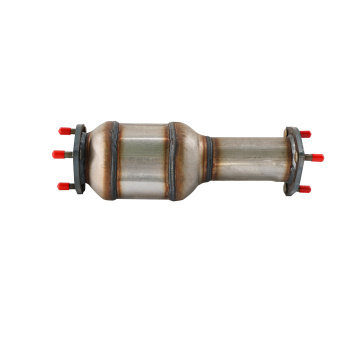

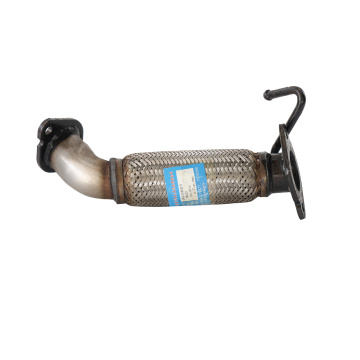
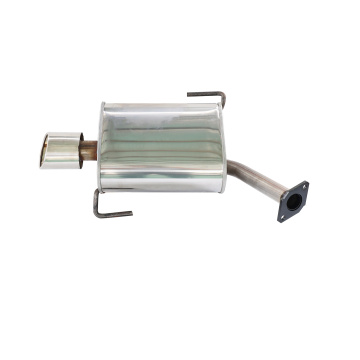
An exhaust pipe catalytic converter is a critical emissions control device installed in the exhaust system of internal combustion engines. Its primary function is to reduce toxic gases and pollutants in exhaust gas by converting them into less harmful substances through catalytic chemical reactions.
Modern converters typically utilize either a ceramic or metal honeycomb structure coated with precious metals like platinum, palladium, and rhodium. These substrates provide a massive surface area for the catalytic reactions to occur efficiently.
The converter facilitates oxidation and reduction reactions. It transforms carbon monoxide (CO) and hydrocarbons (HC) into carbon dioxide and water, while reducing nitrogen oxides (NOx) into nitrogen and oxygen.
Jiangyin Triblues Technology Co., LTD. leverages advanced R&D capabilities and university partnerships to deliver high-performance catalyst solutions.
Our R&D cooperation with prestigious institutions like Zhejiang University and Xi'an Jiaotong University ensures our manufacturing processes meet the latest scientific standards.
We specialize in both Ceramic Catalysts and Metal Honeycomb Catalysts, allowing us to tailor substrate structures for specific industrial and automotive applications.
Our products are designed to help manufacturers and vehicle owners comply with stringent environmental regulations, supporting green home appliances and industrial waste treatment.
Selecting the correct catalytic converter supplier requires evaluating technical specifications, material quality, and application compatibility.
Ceramic vs. Metal: Ceramic substrates offer high thermal stability and cost-effectiveness for standard applications. Metal substrates provide greater durability and faster light-off times, ideal for heavy-duty or high-vibration environments.
Pt/Pd/Rh Ratios: The concentration and ratio of platinum, palladium, and rhodium directly impact conversion efficiency and lifespan. Ensure your supplier provides transparent specifications on washcoat composition.
Engine Type: Diesel particulate filters (DPF) require different formulations than gasoline three-way catalysts. Confirm the converter is engineered specifically for your fuel type and emission tier (e.g., Euro 6, EPA Tier 3).
OEM/ODM Support: For industrial waste gas treatment or custom engine builds, choose a manufacturer capable of designing bespoke solutions rather than relying solely on off-the-shelf parts.
Use this checklist to evaluate potential suppliers and ensure you receive high-quality exhaust pipe catalytic converters.
Does the supplier provide detailed substrate density and wall thickness specs?
Are precious metal loadings certified and consistent across batches?
Can they support custom designs for industrial waste gas treatment?
Do they have R&D partnerships with recognized research institutions?
Have they successfully supplied state-owned enterprises or major OEMs?
Is there clear documentation on lead times and MOQ flexibility?
When sourcing catalytic converters, prioritize manufacturers with proven R&D capabilities and diverse product portfolios.
Exhaust pipe catalytic converters are essential across multiple sectors aiming to reduce environmental impact and comply with emission standards.
Used in passenger vehicles, commercial trucks, and buses to meet strict government emission regulations. Includes three-way catalysts for gasoline engines and diesel particulate filters for diesel engines.
Large-scale catalytic systems treat volatile organic compounds (VOCs) and other hazardous emissions from manufacturing plants, chemical processing, and power generation facilities.
Advanced catalytic technology is increasingly applied to residential heating systems and generators to minimize household air pollution and improve energy efficiency.
Specialized converters for ships, construction equipment, and agricultural machinery operate under high-stress conditions, requiring durable metal honeycomb substrates.
Procurement teams often face challenges when sourcing catalytic converters. Understanding these pitfalls helps mitigate risk.
Problem: Batch-to-batch variations in precious metal loading can lead to failed emissions tests.
Solution: Require suppliers to provide batch-specific certification and engage in regular third-party audits.
Problem: Substrates melting or cracking due to excessive heat exposure during operation.
Solution: Specify high-alumina washcoats and robust substrate materials designed for thermal shock resistance.
Problem: Long production cycles disrupt manufacturing schedules.
Solution: Partner with suppliers who maintain safety stock of common substrates and have streamlined customization processes.
Problem: Mismatched dimensions or flow rates causing backpressure problems.
Solution: Verify all CAD drawings and flow dynamics simulations before placing orders, especially for custom industrial applications.
Ceramic catalysts are generally more cost-effective and offer excellent thermal stability, making them suitable for most standard automotive applications. Metal honeycomb catalysts are thinner, lighter, and more resistant to vibration and thermal shock, making them ideal for heavy-duty trucks, racing, and industrial applications where durability is paramount.
Selection depends on the type of pollutants (VOCs, NOx, etc.), operating temperature, and gas flow rate. You should consult with a supplier who offers R&D customization, such as Jiangyin Triblues Technology, which collaborates with top universities to design tailored solutions for specific industrial requirements.
DPFs significantly reduce particulate matter (soot) emissions from diesel engines. They improve air quality, help vehicles comply with strict emission standards (like Euro 6), and can enhance fuel efficiency by optimizing exhaust backpressure.
Yes. Many advanced manufacturers, including those with strong academic partnerships, offer OEM/ODM services. This allows for custom substrate geometries, washcoat formulations, and housing designs to fit unique industrial, marine, or appliance applications.
Higher loads of platinum, palladium, and rhodium generally extend the converter's operational life and maintain higher conversion efficiency over time. However, it also increases cost. A balanced approach based on your expected duty cycle and emission requirements is recommended.
Our company has been committed to the production, research and development of industrial waste gas treatment equipment,We have research and development cooperation with Zhejiang University, Xi 'an... Subscribe Our Newsletter
Related Products List

Privacy statement: Your privacy is very important to Us. Our company promises not to disclose your personal information to any external company with out your explicit permission.
Fill in more information so that we can get in touch with you faster
Privacy statement: Your privacy is very important to Us. Our company promises not to disclose your personal information to any external company with out your explicit permission.