
Email
 Jiangyin Triblues Technology Co., LTD.
Select Language
English


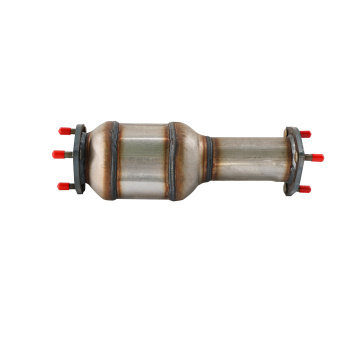

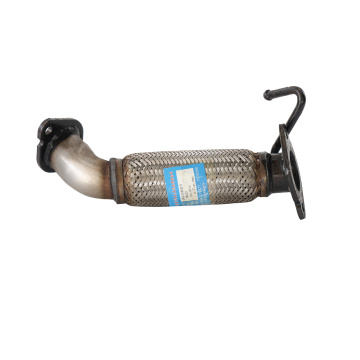


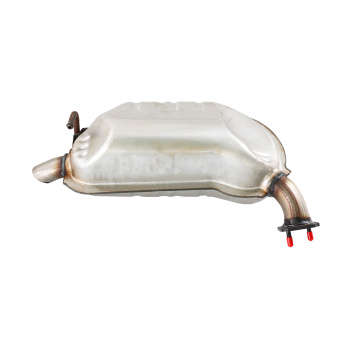
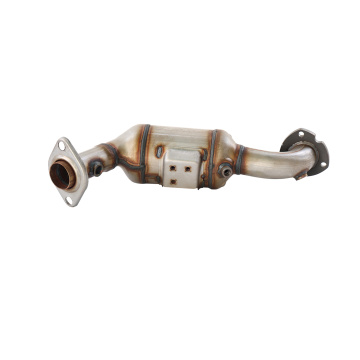
An industrial metal catalytic converter is a high-performance emission control device designed to neutralize harmful exhaust gases from heavy-duty engines and industrial machinery. Unlike traditional ceramic converters, the metal honeycomb structure offers superior durability, thermal resistance, and mechanical strength, making it ideal for demanding environments such as marine diesel generators, construction equipment, and large-scale industrial waste treatment systems.
Metal honeycomb structure resists vibration and thermal shock better than ceramic alternatives.
Advanced catalyst coating ensures maximum conversion of NOx, CO, and hydrocarbons into harmless emissions.
Jiangyin Triblues Technology Co., LTD. specializes in the production and R&D of industrial waste gas treatment equipment. Our metal catalytic converters are engineered for buyers who demand reliability, compliance, and long-term performance.
We collaborate with nine prestigious 985 universities, including Zhejiang University and Xi'an Jiaotong University, ensuring our products are built on cutting-edge research and proven technology.
Our business cooperation with state-owned enterprises like Shenyang Jinbei Automobile, CSIC, and Haier Group demonstrates our capability to deliver at scale with consistent quality.
From ceramic carriers to diesel particulate filters (DPF) and custom industrial waste gas treatment solutions, we provide end-to-end emission control products tailored to your specific application.
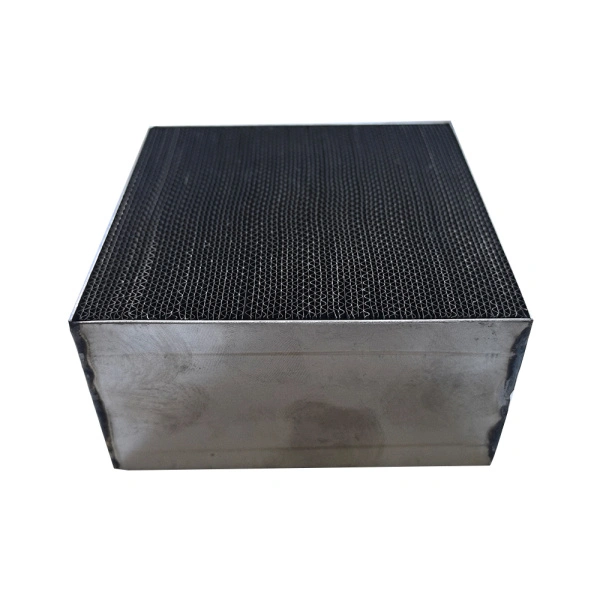
Our manufacturing process adheres to rigorous quality controls that ensure every metal catalytic converter meets international performance benchmarks. From raw material sourcing to final testing, each step is monitored to guarantee consistency and reliability.
The metal honeycomb substrate is manufactured with tight tolerances to maximize surface area for catalyst coating, resulting in higher conversion efficiency and lower backpressure compared to conventional designs.
We apply proprietary washcoat formulations containing precious metals optimized for diesel and gasoline applications. This ensures rapid light-off temperatures and sustained catalytic activity throughout the product's service life.
Every batch undergoes thermal cycling, vibration testing, and emission efficiency verification before shipment. This multi-stage quality assurance reduces the risk of field failures and protects your procurement investment.
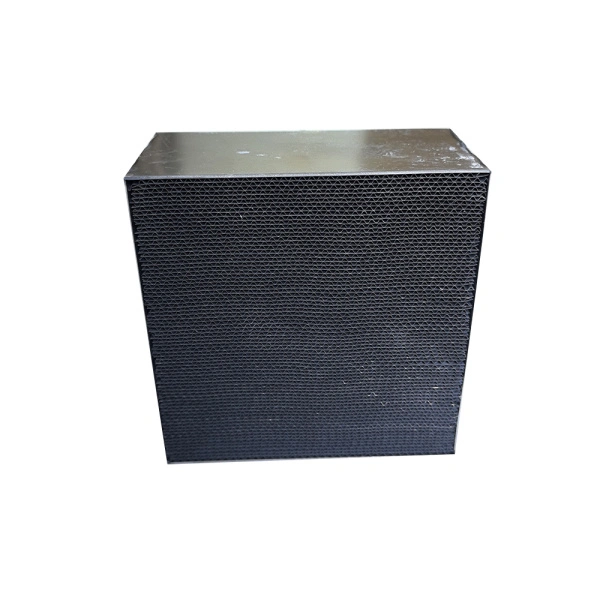
Selecting the correct metal catalytic converter requires careful evaluation of your engine specifications, emission standards, and operating environment. Use this guide to narrow down your options and ensure optimal performance.
Determine which regulatory framework applies to your application — whether China IV/V, Euro VI, or EPA Tier standards. Different standards require different catalyst formulations and substrate densities.
Specify whether your system handles diesel, gasoline, or bi-fuel engines. Diesel applications typically require DPF integration alongside the catalytic converter for complete emission control.
Consider temperature ranges, vibration levels, and duty cycles. Heavy-duty applications benefit from metal substrates over ceramic due to their resistance to thermal shock and mechanical stress.
Before finalizing your procurement decision, verify these critical factors to minimize risk and ensure the supplier can meet your operational requirements.
Proven R&D partnerships — Verify the manufacturer collaborates with recognized research institutions for continuous innovation.
Enterprise client portfolio — Check if the supplier serves major OEMs or state-owned enterprises as a reference for reliability.
Customization capability — Ensure the supplier can tailor substrate dimensions, catalyst formulations, and housing designs to your exact specifications.
Full product ecosystem — Prefer suppliers offering complementary products like DPF, ceramic carriers, and complete waste gas treatment systems for streamlined sourcing.
Consistent batch quality — Request sample testing results and batch-to-batch consistency data before committing to volume orders.
Technical support availability — Confirm the supplier provides engineering assistance for installation, integration, and troubleshooting.
When evaluating potential suppliers for metal catalytic converters and related emission control products, prioritize manufacturers that demonstrate deep technical expertise, established industry partnerships, and a comprehensive product portfolio.
Core Strength: Integrated R&D and manufacturing of catalytic converters, DPF, and industrial waste gas treatment systems.
Key Advantages:
What to Look For:
Best Practices:
Procuring industrial catalytic converters involves several common pitfalls that can lead to project delays, cost overruns, or performance failures. Understanding these challenges upfront helps you negotiate better terms and select the right partner.
The Problem: Batch-to-batch variation in catalyst washcoat loading leads to unpredictable emission reduction rates across different production runs.
The Solution: Require suppliers to provide certified test data for each batch and establish incoming inspection protocols for washcoat weight and precious metal content.
The Problem: Ordering standard off-the-shelf converters without verifying dimensional tolerances, cell density, or wall thickness for your specific engine application.
The Solution: Provide detailed engine schematics and operating parameters to the supplier for custom substrate design rather than selecting generic catalog items.
The Problem: Lack of real-time production tracking causes scheduling conflicts and unexpected delivery delays that disrupt your assembly line or project timeline.
The Solution: Negotiate milestone-based reporting agreements where the supplier provides weekly production updates and shares key manufacturing checkpoints.
The Problem: Suppliers who sell hardware but offer no engineering assistance for integration, causing installation errors and reduced system efficiency.
The Solution: Prioritize suppliers with dedicated application engineering teams who can assist with mounting design, thermal management, and aftertreatment system integration.
Metal catalytic converters serve diverse industries where emission compliance, durability, and performance under harsh conditions are non-negotiable. Below are the primary application sectors where our products deliver measurable value.
Heavy-duty marine diesel generators and propulsion systems face extreme vibration and saltwater corrosion. Metal honeycomb catalysts withstand these conditions while meeting IMO Tier III emission limits.
Excavators, bulldozers, and mining trucks operate in dusty, high-vibration environments. The mechanical robustness of metal substrates prevents breakage and maintains emission control performance over extended duty cycles.
Large-scale chemical plants, refineries, and manufacturing facilities use custom-designed catalytic oxidation systems to treat volatile organic compounds (VOCs) and other hazardous air pollutants before release.
Light-duty and heavy-duty vehicles require compact, efficient three-way catalysts and diesel oxidation systems. Our metal converters support both domestic Chinese standards and international regulations.
Emerging applications include catalytic purification systems integrated into residential and commercial HVAC units, improving indoor air quality through advanced oxidation processes.
Diesel generator sets used in data centers, hospitals, and emergency backup systems require reliable aftertreatment solutions to comply with local noise and emission ordinances during extended operation.
Ceramic converters offer lower cost but are brittle and prone to thermal shock damage. Metal catalytic converters use a stainless steel honeycomb substrate that provides superior vibration resistance, impact tolerance, and thinner walls for improved heat transfer. For industrial and heavy-duty applications where mechanical stress and thermal cycling are significant, metal substrates deliver longer service life and more reliable emission performance.
Yes. Jiangyin Triblues Technology provides full OEM and ODM customization services. We can engineer metal honeycomb substrates to custom dimensions, cell densities, and catalyst formulations based on your engine specifications, emission targets, and packaging constraints. Our R&D team works directly with your engineering group to optimize the design.
Our converters are designed to meet multiple international emission frameworks including China IV and V, Euro VI, and EPA Tier standards for diesel and gasoline applications. Specific configurations are tailored to match the regulatory requirements of your target market and equipment classification.
Lead times vary based on order volume, customization complexity, and substrate availability. Standard catalog items typically ship within 2-4 weeks. Custom-engineered solutions may require 6-10 weeks for design validation, prototype testing, and production. We recommend discussing your projected annual volume early to secure production capacity and favorable pricing tiers.
Absolutely. Our application engineering team provides guidance on mounting configuration, thermal shielding, exhaust piping integration, and sensor placement. For large-scale industrial waste gas treatment projects, we also offer on-site installation supervision and commissioning support to ensure proper system performance.
University partnerships give us access to cutting-edge research in catalyst chemistry, substrate materials, and emission modeling. This translates to faster innovation cycles, proprietary formulations that outperform generic products, and engineering solutions that address emerging regulatory requirements before they become mandatory — giving you a competitive advantage.
Our company has been committed to the production, research and development of industrial waste gas treatment equipment,We have research and development cooperation with Zhejiang University, Xi 'an... Subscribe Our Newsletter
Related Products List

Privacy statement: Your privacy is very important to Us. Our company promises not to disclose your personal information to any external company with out your explicit permission.
Fill in more information so that we can get in touch with you faster
Privacy statement: Your privacy is very important to Us. Our company promises not to disclose your personal information to any external company with out your explicit permission.