
Email
 Jiangyin Triblues Technology Co., LTD.
Select Language
English


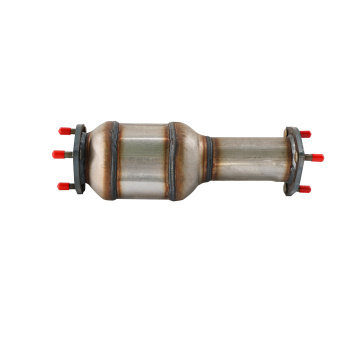

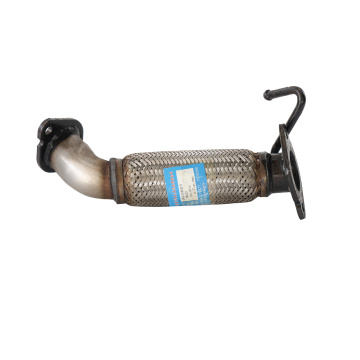

Ceramic honeycomb catalytic technology represents the industry standard for high-efficiency emission control in industrial and automotive applications. At its core, this system utilizes a monolithic substrate with thousands of parallel channels to maximize surface area for catalytic reactions.
The ceramic honeycomb structure provides exceptional thermal stability and mechanical strength, allowing it to withstand extreme temperatures while maintaining structural integrity. For procurement buyers, this translates to longer service intervals and reduced downtime costs.
Key Advantage: The monolithic design offers lower pressure drop compared to pellet-based systems, ensuring that your engines or industrial processes maintain optimal efficiency without excessive energy consumption.
Our manufacturing process is backed by rigorous R&D partnerships with leading Chinese universities, including Zhejiang University and Xi'an Jiaotong University. This academic collaboration ensures that our ceramic carriers and catalytic converters meet the highest international standards for performance and durability.
University Research Partnerships
Rigorous Quality Control Protocols
Tailored Industrial Solutions
Jiangyin Triblues Technology specializes in the production of ceramic carriers, three-way catalytic converters, and diesel particulate filters. Our facility supports both standard specifications and large-scale customization for industrial waste gas treatment equipment. We work closely with major enterprises like Shenyang Jinbei Automobile and Haier Group, ensuring consistent batch quality and reliable supply chain delivery.
Selecting the correct ceramic catalyst requires a detailed understanding of your specific application parameters. Whether you are sourcing for automotive exhaust systems or industrial incinerators, the following factors are critical for making an informed procurement decision.
Why It Matters: Cordierite ceramic is the most common material due to its low coefficient of thermal expansion, but silicon carbide options offer higher thermal conductivity for extreme heat applications. Choose based on your operating temperature range.
Impact on Performance: Higher cells per square inch (CPSI) increases surface area for catalytic coating, boosting conversion efficiency. However, it also increases backpressure. Balance efficiency needs with engine power requirements.
Thermal vs. Mechanical Trade-off: Thinner walls improve light-off time (how quickly the catalyst becomes active) but may compromise mechanical strength. Standard thicknesses balance these competing demands effectively.
Precious Metal Content: The choice between Platinum, Palladium, and Rhodium coatings affects cost and performance. Ensure your supplier can provide technical data sheets confirming washcoat adhesion and precious metal loading.
Use this checklist to evaluate potential suppliers and ensure your order meets all technical and commercial requirements before finalizing contracts.
Verify substrate dimensions match engineering drawings exactly.
Confirm pressure drop values are within acceptable limits for your system.
Request sample testing results for conversion efficiency.
Check for established R&D partnerships or university collaborations.
Review case studies from existing industrial clients (e.g., automotive, home appliances).
Ensure capacity for custom installation and large-scale equipment support.
Ceramic honeycomb catalytic technology is versatile, serving diverse sectors from automotive emissions control to heavy industrial waste management. Jiangyin Triblues Technology provides solutions tailored to these specific environmental challenges.
Used in three-way catalytic converters for gasoline engines and Diesel Particulate Filters (DPF) for diesel applications. Ensures compliance with strict Euro and China VI emission standards.
Essential for VOC (Volatile Organic Compounds) destruction in chemical plants, paint shops, and printing facilities. Handles high-concentration, high-temperature exhaust streams effectively.
Applied in advanced air purification systems and clean-burning heating appliances. Reduces indoor pollutants and improves energy efficiency in residential settings.
Sourcing ceramic catalysts often involves navigating technical complexities and supply chain risks. Here are common issues buyers face and how to mitigate them.
The Problem: Rapid temperature changes can cause the ceramic substrate to crack, leading to complete system failure.
The Solution: Specify substrates with appropriate thermal expansion coefficients. Work with manufacturers who perform rigorous thermal cycling tests during quality assurance.
The Problem: Costs of Platinum and Palladium fluctuate, impacting project budgets unpredictably.
The Solution: Request fixed-price quotes for long-term contracts. Discuss alternative coating formulations that minimize precious metal usage without sacrificing performance.
The Problem: Variations between production batches can lead to failed inspections at the client site.
The Solution:
When evaluating suppliers for ceramic honeycomb catalysts, look beyond price. Consider technical depth, research capabilities, and proven track records with major industrial partners.
Unlike standard manufacturers, we collaborate with top-tier universities (Zhejiang, Xi'an Jiaotong, etc.) to continuously improve our catalyst formulations and substrate designs. This ensures you get cutting-edge technology, not just commodity products.
Our cooperation with state-owned enterprises like CSIC, Shenyang Jinbei, and Haier Group demonstrates our ability to meet stringent quality and delivery requirements. These partnerships serve as a testament to our reliability and operational excellence.
We don't just sell parts; we provide solutions. From customizing large-scale industrial waste gas treatment equipment to installing green home appliance components, we support your entire value chain.
Source all your emission control needs from one supplier: Ceramic Carriers, Three-Way Converters, DPFs, and Metal Honeycomb Catalysts. Simplify your procurement workflow and reduce vendor management overhead.
Answers to common technical and commercial questions regarding ceramic honeycomb catalytic products and services.
Lead times vary based on order volume and customization complexity. Standard stock items ship within days. Custom-manufactured ceramic carriers and coated catalysts typically require 2-4 weeks for production and quality testing. We recommend planning ahead for large-scale industrial projects.
Yes, we encourage buyers to request samples for rigorous testing before placing bulk orders. This allows you to verify dimensional accuracy, pressure drop characteristics, and catalytic efficiency in your specific application environment.
Absolutely. We have extensive experience working with automotive manufacturers and aftermarket distributors. We can produce ceramic catalysts according to your exact specifications, including packaging and labeling requirements for seamless integration into your supply chain.
Our manufacturing processes adhere to strict quality management standards. While specific certification names depend on regional regulations, our products are designed to meet international emission standards and are backed by our R&D partnerships with major Chinese universities.
Our company has been committed to the production, research and development of industrial waste gas treatment equipment,We have research and development cooperation with Zhejiang University, Xi 'an... Subscribe Our Newsletter
Related Products List

Privacy statement: Your privacy is very important to Us. Our company promises not to disclose your personal information to any external company with out your explicit permission.
Fill in more information so that we can get in touch with you faster
Privacy statement: Your privacy is very important to Us. Our company promises not to disclose your personal information to any external company with out your explicit permission.