
Email
 Jiangyin Triblues Technology Co., LTD.
Select Language
English


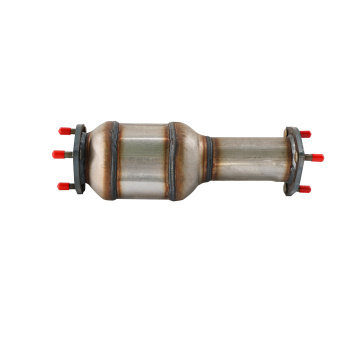

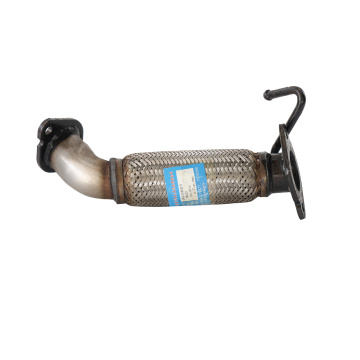


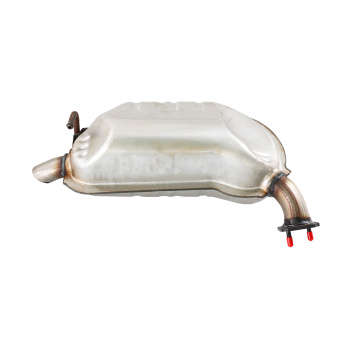
Metal substrate catalytic converters utilize high-strength metal foils, typically stainless steel, structured into precise honeycomb channels to serve as the core support for catalytic coatings. Unlike traditional ceramic counterparts, these substrates offer superior mechanical resilience and thermal conductivity, making them ideal for demanding industrial applications.
Jiangyin Triblues Technology Co., LTD. specializes in manufacturing these advanced components, leveraging partnerships with top-tier universities like Zhejiang University and Xi'an Jiaotong University. Our solutions are designed to optimize emission control for heavy-duty machinery and industrial waste gas treatment systems.
Buyer Benefit: The inherent durability of metal substrates reduces failure rates in high-vibration environments, ensuring consistent performance and lower long-term maintenance costs for your operations.
Our production processes are grounded in extensive R&D cooperation with nine prestigious institutions, including East China University of Science and Technology. This academic collaboration ensures our catalytic converters meet the latest scientific standards for efficiency and durability.
We manufacture both Ceramic Catalysts and Metal Honeycomb Catalysts designed to withstand extreme thermal cycling and physical stress. Our metal substrates feature thin-wall channel designs that maximize surface area for catalytic reactions while minimizing backpressure.
As a trusted supplier for state-owned enterprises like Shenyang Jinbei Automobile Co., LTD. and Haier Group, our quality management systems are rigorously tested against the highest industry benchmarks. We deliver consistency at scale.
From diesel particulate filters to custom industrial waste gas treatment equipment, our manufacturing capabilities cover the full spectrum of emission control needs. We ensure every component, whether for green home appliances or heavy machinery, meets strict regulatory requirements.
Selecting the optimal catalytic converter requires balancing technical specifications with operational realities. Here is what procurement managers should prioritize when evaluating suppliers for metal substrate catalytic solutions.
Metal substrates excel in rapid heat-up scenarios. When selecting a catalyst, verify the material's ability to handle sudden temperature spikes without cracking—a critical factor for engines that undergo frequent stop-start cycles.
Lower pressure drop means better engine performance and fuel economy. Look for manufacturers who can offer high-porosity metal foils that maintain structural integrity while allowing exhaust gases to flow freely.
Off-the-shelf solutions rarely fit complex industrial setups. Prioritize suppliers like Jiangyin Triblues who offer customization for washcoat formulations and substrate geometries tailored to your specific waste gas composition.
Use this checklist to evaluate potential suppliers and ensure you secure high-quality metal substrate catalytic products that meet your compliance and performance goals.
Avoid common pitfalls in sourcing emission control equipment by understanding typical industry challenges and how experienced manufacturers mitigate them.
Context: Industrial waste gases often contain sulfur, phosphorus, or lead compounds that poison active sites.
Solution: Select suppliers who formulate specialized washcoats resistant to specific contaminants. Our experience with diverse industrial applications allows us to predict and counteract common poisoning agents.
Context: Ceramic substrates are brittle and prone to shattering under the vibration of mobile machinery or heavy engines.
Solution: Opt for metal substrate catalytic converters. Their ductility and impact resistance make them virtually immune to vibration-induced fractures, significantly extending service life in harsh conditions.
Context: Generic converters may not meet evolving local or international emission standards.
Solution: Partner with manufacturers who invest heavily in R&D. Our cooperation with leading universities ensures our products are developed with future regulatory trends in mind, providing long-term compliance security.
Context: Poorly designed monoliths restrict exhaust flow, forcing the engine to work harder and burn more fuel.
Solution: Specify high-cell-density metal foils with optimized channel geometry. This maximizes catalytic surface area while maintaining low flow resistance, improving both emission control and fuel economy.
Our metal substrate catalytic technology serves a wide range of sectors, from automotive to heavy industry. Below are the primary application areas where our solutions deliver measurable value.
High-performance three-way catalytic converters for motorcycles and light vehicles. Our metal substrates provide rapid light-off times, reducing cold-start emissions effectively.
Robust diesel particulate filters (DPF) and catalytic converters for backup power systems. Ensures reliable operation and compliance with stationary source emission regulations.
Customized large-scale catalytic oxidation systems for chemical plants and manufacturing facilities. We treat volatile organic compounds (VOCs) and other hazardous pollutants efficiently.
Emission control solutions for the production and operation of eco-friendly home appliances. Supports sustainability goals and reduces the carbon footprint of consumer goods manufacturing.
When sourcing metal substrate catalytic converters, partnering with a manufacturer that combines academic rigor with industrial experience is crucial. Here is why global distributors choose us.
We don't just manufacture; we innovate. Our direct R&D cooperation with Zhejiang University, Xi'an Jiaotong University, and others ensures our products are at the forefront of catalytic technology.
Our business relationships with giants like Shenyang Jinbei Automobile and Haier Group demonstrate our ability to meet the stringent quality and delivery requirements of large-scale industrial clients.
From ceramic carriers to metal honeycomb catalysts, and from small converters to large industrial waste gas systems, we provide a comprehensive portfolio that simplifies your procurement workflow.
We understand that every emission challenge is unique. Our team offers customization and installation services for large-scale equipment, ensuring the solution fits your specific operational constraints perfectly.
Get answers to common questions regarding metal substrate catalytic converters, their advantages over ceramic alternatives, and our manufacturing capabilities.
Metal substrates offer significantly higher mechanical strength and thermal shock resistance compared to fragile ceramic substrates. They are thinner, allowing for faster light-off times (reaching operating temperature quicker), which reduces initial cold-start emissions. Additionally, their ductility makes them ideal for high-vibration applications like motorcycles and off-road machinery.
Yes, customization is a core part of our service. Leveraging our R&D partnerships with leading universities, we can tailor the washcoat formulation and substrate geometry to target specific pollutants found in your industrial waste gas stream. This ensures maximum conversion efficiency for your particular application.
Lead times depend on the order volume and specification complexity. For standard catalog items, we maintain inventory for quick shipment. For customized industrial solutions, our production cycle is optimized through our cooperation with major state-owned enterprises to ensure timely delivery. Please contact our sales team for a precise quote based on your quantity.
Absolutely. Beyond supplying the catalytic components, we offer comprehensive installation services for large-scale industrial waste gas treatment systems. Our engineering team ensures proper integration with your existing infrastructure, minimizing downtime and ensuring optimal system performance from day one.
The metal honeycomb design features high porosity and thin walls, which minimize exhaust backpressure. Lower backpressure allows the engine to expel exhaust gases more efficiently, reducing the energy required to push gases out. This translates to improved fuel economy and sustained engine power output.
Our company has been committed to the production, research and development of industrial waste gas treatment equipment,We have research and development cooperation with Zhejiang University, Xi 'an... Subscribe Our Newsletter
Related Products List

Privacy statement: Your privacy is very important to Us. Our company promises not to disclose your personal information to any external company with out your explicit permission.
Fill in more information so that we can get in touch with you faster
Privacy statement: Your privacy is very important to Us. Our company promises not to disclose your personal information to any external company with out your explicit permission.