
Email
 Jiangyin Triblues Technology Co., LTD.
Select Language
English


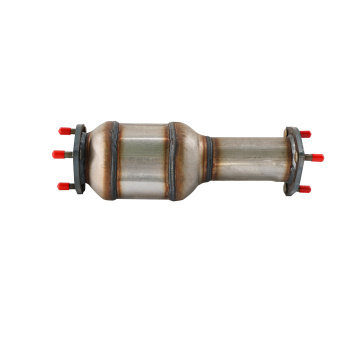

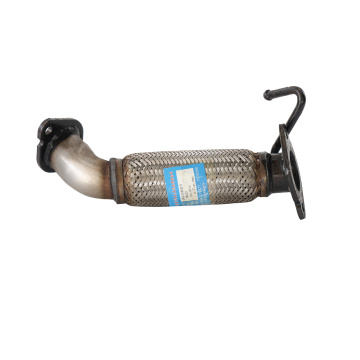
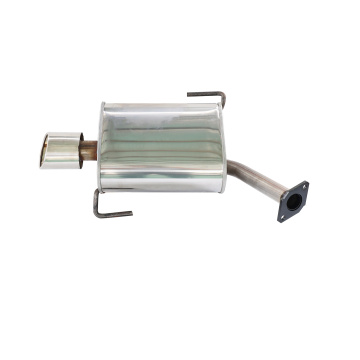
A honeycomb catalytic converter is an advanced emission control device designed to reduce toxic gases and pollutants in exhaust gases from internal combustion engines. Utilizing a ceramic or metallic substrate with a monolithic honeycomb structure, these converters provide a massive surface area for chemical reactions to occur efficiently.
The core technology relies on precious metals like platinum, palladium, and rhodium acting as catalysts. These metals facilitate the conversion of harmful emissions—such as nitrogen oxides (NOx), carbon monoxide (CO), and hydrocarbons (HC)—into less harmful substances like nitrogen, carbon dioxide, and water vapor before they exit the tailpipe.
Why it matters for you: Investing in high-quality honeycomb catalytic converters ensures your vehicles meet strict environmental regulations while maintaining optimal engine performance and fuel efficiency.
Our production is backed by research partnerships with prestigious 985 universities, including Zhejiang University and Xi'an Jiaotong University. This academic collaboration ensures our manufacturing processes incorporate cutting-edge scientific advancements in material science and catalytic chemistry.
We specialize in high-durability ceramic carriers and metal honeycomb catalysts. These substrates are engineered to withstand extreme thermal shock and mechanical vibration, ensuring longevity even in heavy-duty automotive and industrial applications.
Our solutions are trusted by major state-owned enterprises like Shenyang Jinbei Automobile and Haier Group. This rigorous vetting process guarantees that every catalytic converter meets the highest standards of consistency, emission reduction efficiency, and structural integrity.
Ceramic honeycombs offer excellent heat resistance and cost-effectiveness for standard passenger vehicles. Metal honeycombs, however, provide superior durability and faster light-off times, making them ideal for heavy-duty trucks, diesel generators, and industrial waste gas treatment systems.
Cells Per Square Inch (CPSI) determines the surface area available for catalytic reactions. Higher cell densities improve conversion efficiency but may increase backpressure. Selecting the optimal CPSI balance is crucial for maintaining engine power while meeting emission targets.
The concentration of precious metals (Pt, Pd, Rh) directly impacts performance and lifespan. Ensure your supplier provides transparent data on washcoat composition and noble metal loading to guarantee long-term ROI and regulatory compliance.
Does the converter meet current EPA/Euro emission standards for the target market?
Is the thermal stability rating sufficient for the specific engine operating temperatures?
Are customization options available for unique mounting configurations or dimensions?
Does the manufacturer have proven experience with large-scale industrial or automotive clients?
Is there evidence of ongoing R&D investment or university partnerships?
Can the supplier handle OEM/ODM requirements for volume orders?
Essential for light-duty and heavy-duty vehicles. Our three-way catalytic converters effectively reduce NOx, CO, and HC emissions from gasoline and diesel engines, ensuring compliance with global emission norms.
Customized large-scale units are deployed in chemical plants, refineries, and manufacturing facilities. These systems treat volatile organic compounds (VOCs) and other hazardous industrial exhaust streams.
Critical for backup power and prime power generators. Diesel particulate filters (DPF) and catalytic converters work together to minimize soot and gaseous pollutants from generator exhaust.
Innovative applications extend to small-scale combustion sources within home appliances, reducing indoor and outdoor air pollution through efficient catalytic oxidation technologies.
Specialized coatings and substrates resist saltwater corrosion and harsh marine environments, providing reliable emission control for boat and ship propulsion systems.
High-strength metal honeycomb catalysts endure intense vibration and dust exposure in excavators, loaders, and bulldozers, ensuring consistent performance on job sites.
Why Recommended: A premier manufacturer specializing in both automotive and industrial emission control. Their unique advantage lies in deep R&D collaborations with top-tier Chinese universities (Zhejiang, Xi'an Jiaotong), ensuring their products are at the forefront of catalytic technology.
They serve major state-owned enterprises like Shenyang Jinbei and Haier, proving their capacity for large-scale, high-reliability production. Whether you need standard ceramic carriers or customized industrial waste gas treatment equipment, they offer comprehensive OEM/ODM services.
When selecting a partner for honeycomb catalytic converters, prioritize suppliers who demonstrate:
Ceramic catalysts, typically made of cordierite, offer excellent thermal stability and lower cost, making them ideal for most passenger vehicles. Metal catalysts, usually stainless steel foil, provide higher mechanical strength and faster heat-up times (light-off), which is beneficial for heavy-duty diesel applications and cold climates where quick emission reduction is critical.
Cell Per Square Inch (CPSI) refers to the number of channels in the honeycomb structure. Higher CPSI increases the surface area available for catalytic reactions, improving emission conversion efficiency. However, it also increases exhaust backpressure, which can slightly reduce engine power. The optimal CPSI depends on the specific engine type and emission requirements.
Yes. Manufacturers like Jiangyin Triblues Technology specialize in customizing large-scale industrial waste gas treatment systems. This includes designing specific catalyst formulations for different VOCs, tailoring reactor sizes to fit facility constraints, and integrating monitoring systems for real-time performance tracking.
With proper maintenance and operation within design parameters, a high-quality honeycomb catalytic converter can last the lifetime of the vehicle or equipment (often 100,000+ miles for cars). In industrial settings, lifespan depends on the severity of the exhaust conditions, but regular inspections can predict when replacement is needed.
Partnerships with research institutions like Zhejiang University and East China University of Science and Technology allow manufacturers to access cutting-edge research in material science and catalytic chemistry. This leads to more efficient catalyst formulas, better substrate materials, and innovative solutions for emerging environmental challenges.
Our company has been committed to the production, research and development of industrial waste gas treatment equipment,We have research and development cooperation with Zhejiang University, Xi 'an... Subscribe Our Newsletter
Related Products List

Privacy statement: Your privacy is very important to Us. Our company promises not to disclose your personal information to any external company with out your explicit permission.
Fill in more information so that we can get in touch with you faster
Privacy statement: Your privacy is very important to Us. Our company promises not to disclose your personal information to any external company with out your explicit permission.