
Email
 Jiangyin Triblues Technology Co., LTD.
Select Language
English


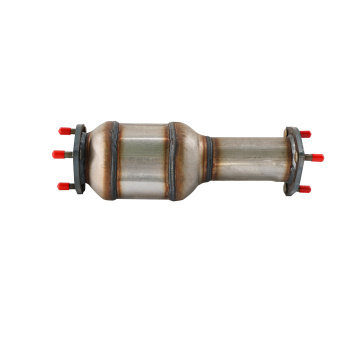

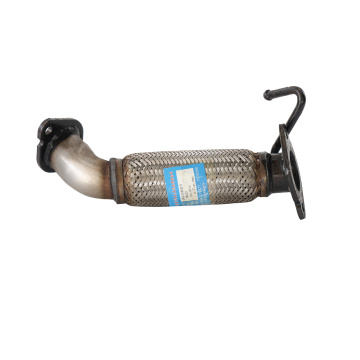
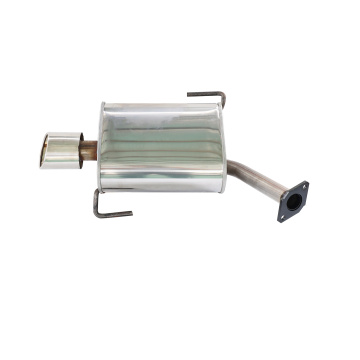
A catalytic converter ceramic honeycomb is the core filtration component in modern emission control systems. Acting as a structured monolith, it provides a massive surface area coated with precious metal catalysts to chemically convert harmful exhaust gases into less toxic substances before they are released into the atmosphere.
For procurement professionals sourcing motorcycle engine components, understanding this technology is critical. The ceramic substrate serves as the structural backbone, offering superior thermal stability and low backpressure compared to older metallic alternatives. This ensures your vehicles meet stringent global emissions standards while maintaining optimal engine performance.
Jiangyin Triblues Technology Co., LTD. leverages advanced manufacturing capabilities to produce high-performance ceramic catalyst substrates. Our production facilities are designed to ensure consistent quality across large batches, reducing your supply chain risk and ensuring reliable after-sales performance.
We maintain strategic R&D partnerships with leading institutions such as Zhejiang University and Xi'an Jiaotong University. This academic collaboration drives continuous innovation in our diesel particulate filter and catalytic converter technologies, keeping you ahead of evolving regulatory requirements.
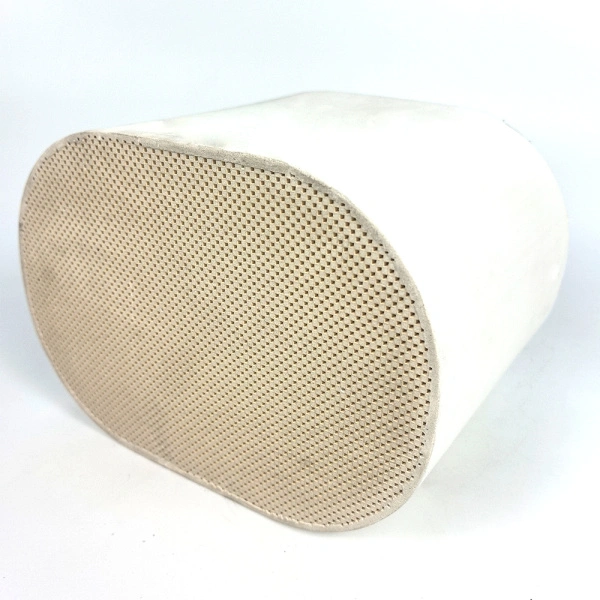
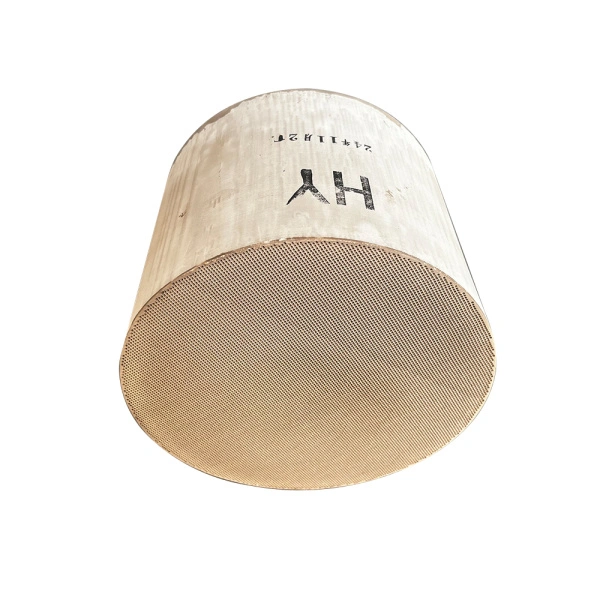
Selecting the appropriate catalytic converter ceramic honeycomb requires balancing flow dynamics, thermal capacity, and chemical efficiency. As a buyer, you need substrates that optimize conversion rates without compromising engine power or fuel economy.
Our engineering team works closely with clients to customize solutions. Whether you require standard off-the-shelf parts or specialized designs for industrial waste gas treatment, we provide tailored technical support to ensure perfect integration with your existing systems.
Higher cell density increases surface area for better conversion but may increase backpressure. We help you find the optimal balance for your specific engine type.
Ensure the substrate can withstand peak operating temperatures without cracking or degrading, guaranteeing long-term reliability for your end-users.
Use this checklist to evaluate potential suppliers and ensure you secure the best value for your catalytic converter ceramic honeycomb procurement needs.
Procurement teams often face challenges when sourcing ceramic catalyst components. Understanding these common pitfalls can save you significant time and cost.
Poor quality control can lead to uneven washcoat distribution, resulting in failed emissions tests. Always request batch test reports from your supplier.
Substrates that cannot handle rapid temperature changes will crack under real-world conditions. Verify thermal cycling data during your qualification process.
Long lead times can disrupt your production schedule. Partner with manufacturers who have robust inventory management and production capacity.
As a specialized manufacturer of catalytic converters and diesel particulate filters, we offer distinct advantages for B2B buyers seeking reliable partners.
Our cooperation with top-tier universities like Zhejiang University and East China University of Science and Technology ensures our products benefit from cutting-edge research and development.
We have established close business relationships with major state-owned enterprises such as Shenyang Jinbei Automobile Co., LTD. and Haier Group, demonstrating our ability to meet rigorous corporate standards.
Beyond standard automotive parts, we specialize in custom industrial waste gas treatment equipment and green home appliance applications, providing a one-stop solution for diverse needs.
We offer tailored design and installation services for large-scale projects, allowing you to solve unique engineering challenges with expert support.
With proper maintenance and operation within specified parameters, a high-quality catalytic converter ceramic honeycomb can last the entire useful life of the vehicle or equipment, often exceeding 100,000 miles for motorcycles and similar applications.
Yes, we specialize in the customization and installation of large-scale industrial waste gas treatment equipment. Our engineering team can design specific ceramic catalyst configurations to match your exact airflow and chemical processing requirements.
Ceramic substrates offer higher thermal stability and greater surface area density, making them ideal for high-performance emission control. Metal substrates are more durable against mechanical impact but typically have lower heat retention. We recommend ceramic for most stationary and mobile emission applications where weight is not a critical constraint.
Absolutely. DPFs are one of our main product lines. We manufacture both standard and customized diesel particulate filters for various engines, including those used in automobiles and generator sets.
We implement strict quality control procedures at every stage of production, from raw material selection to final packaging. Our partnership with leading universities also helps us maintain advanced analytical capabilities to verify material properties and structural integrity consistently.
Our company has been committed to the production, research and development of industrial waste gas treatment equipment,We have research and development cooperation with Zhejiang University, Xi 'an... Subscribe Our Newsletter
Related Products List

Privacy statement: Your privacy is very important to Us. Our company promises not to disclose your personal information to any external company with out your explicit permission.
Fill in more information so that we can get in touch with you faster
Privacy statement: Your privacy is very important to Us. Our company promises not to disclose your personal information to any external company with out your explicit permission.