
Email
 Jiangyin Triblues Technology Co., LTD.
Select Language
English


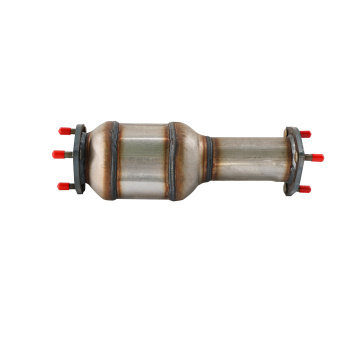

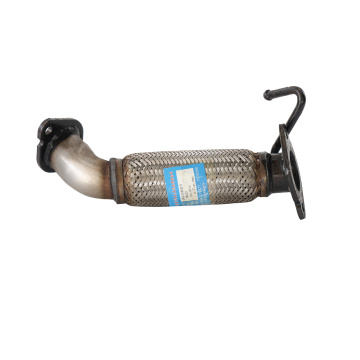


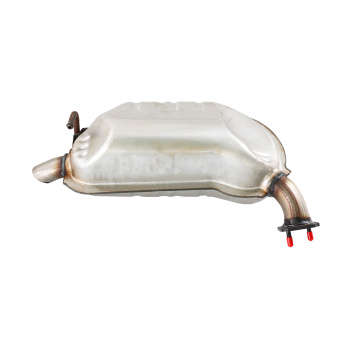
A ceramic catalytic converter is an essential emissions control device designed to reduce toxic gases in exhaust fumes by converting harmful pollutants into less toxic contaminants. At its core lies a ceramic catalyst substrate, typically made from cordierite or silicon carbide, which provides a massive surface area for chemical reactions.
This technology is critical for meeting strict environmental regulations across automotive and industrial applications. The monolithic structure ensures low backpressure while maximizing the contact between exhaust gases and the precious metal washcoat (platinum, palladium, rhodium), facilitating efficient oxidation and reduction processes.
For procurement specialists, understanding the difference between ceramic and metallic substrates is vital. Ceramic units offer superior thermal stability and cost-effectiveness for most standard applications, making them the preferred choice for heavy-duty trucks, passenger vehicles, and stationary engines.


Our manufacturing facility specializes in high-precision production of diesel particulate filters and three-way catalytic converters. We leverage cutting-edge extrusion and coating technologies to ensure consistent cell density and wall thickness across every batch.
We maintain active R&D cooperation with prestigious institutions including Zhejiang University, Xi'an Jiaotong University, East China University of Science and Technology, and South China University of Technology. This academic collaboration drives continuous innovation in our metal honeycomb catalyst designs and washcoat formulations.
Our products are trusted by major state-owned enterprises such as Shenyang Jinbei Automobile Co., Ltd., CSIC, and Haier Group. These partnerships validate our ability to deliver reliable components that meet rigorous OEM specifications for durability and performance.
Selecting the optimal ceramic catalyst carrier requires careful consideration of several technical parameters. Buyers must evaluate cell density, substrate material, washcoat composition, and thermal management capabilities to ensure compatibility with their specific engine type and emission standards.
Use this comprehensive checklist to evaluate potential suppliers and ensure you secure high-quality ceramic catalytic converters that meet your operational requirements and budget constraints.
Verify that the substrate matches your engine's flow rate and backpressure requirements. Confirm washcoat composition aligns with local emission standards (Euro 6, EPA Tier 3, etc.).
Assess production capacity, lead times, and R&D support. Prioritize suppliers with established university partnerships and OEM track records like ours.
Request detailed QC documentation including dimensional checks, pressure drop tests, and thermal cycling results. Ensure traceability from raw material to finished product.
Evaluate total landed cost, not just unit price. Consider factors like installation ease, warranty terms, and after-sales support when comparing quotes.
Confirm the supplier can accommodate custom sizes, shapes, and washcoat formulations. Flexibility is crucial for niche applications and retrofit projects.
Ensure robust packaging prevents damage during transit. Verify shipping options and delivery reliability to minimize supply chain disruptions.
When sourcing industrial waste gas treatment equipment and ceramic catalysts, buyers should prioritize manufacturers with proven expertise, strong academic ties, and enterprise-grade production capabilities. Here are key attributes to look for:
A leading manufacturer specializing in ceramic carriers, three-way catalytic converters, and diesel particulate filters. With R&D partnerships across nine 985 universities and collaborations with major state-owned enterprises, they offer end-to-end solutions for automotive and industrial applications.
Why choose them: Comprehensive product range including customization services, strong technical backing from academic institutions, and a proven track record with large-scale clients.
Look for suppliers who focus exclusively on metal honeycomb catalysts or specialized industrial applications. These companies often provide deeper expertise in specific niches, such as green home appliances or large-scale waste gas treatment systems.
Key differentiators: Proprietary washcoat technologies, rapid prototyping capabilities, and flexible MOQs for smaller orders.
Procuring ceramic catalytic converters involves navigating several common challenges. Below are frequent issues buyers encounter and practical solutions to mitigate risks.
Many buyers report significant variation in emission reduction performance between batches. This often stems from poor washcoat adhesion or inconsistent substrate porosity.
Solution: Request detailed QC data and conduct incoming inspections. Partner with suppliers who have university-backed R&D programs ensuring consistent formulation.
Ceramic substrates can crack under rapid temperature changes or prolonged exposure to extreme heat, leading to costly downtime and replacements.
Solution: Specify cordierite substrates with appropriate thermal expansion coefficients for your application. Ensure proper engine tuning to prevent overheating events.
Long lead times and unpredictable delivery schedules can disrupt production lines, especially for custom-configured catalysts.
Solution: Establish long-term agreements with manufacturers who maintain buffer stock of standard configurations. Work with suppliers offering multiple production lines to ensure capacity flexibility.
Ordering the wrong cell density or dimensions leads to incompatibility with existing housings or suboptimal performance.
Solution: Provide exact engineering drawings and operating parameters to your supplier. Leverage their engineering support team to validate selections before production begins.
Our ceramic catalyst products serve diverse industries requiring effective emissions control and waste gas treatment. From automotive to household appliances, our solutions address unique regulatory and performance challenges across sectors.
Three-way catalytic converters for gasoline engines and diesel particulate filters for heavy-duty trucks. We supply major OEMs including Shenyang Jinbei Automobile, ensuring compliance with stringent emission standards worldwide.
Large-scale catalytic oxidizers for manufacturing facilities treating volatile organic compounds (VOCs) and other hazardous air pollutants. Custom-engineered systems designed for specific chemical compositions and flow rates.
Diesel generator set emissions control systems providing reliable power while minimizing environmental impact. Ideal for backup power applications, remote sites, and peak shaving operations.
Advanced filtration technologies integrated into residential and commercial HVAC systems, air purifiers, and cooking appliances. Reducing indoor air pollution while maintaining energy efficiency.
Corrosion-resistant catalyst systems for marine diesel engines and offshore platform generators. Designed to withstand harsh saltwater environments and continuous operation cycles.
Tier 4 Final compliant emissions solutions for tractors, combines, and other agricultural equipment. Helping farmers meet regulatory requirements without sacrificing performance or productivity.
Get answers to the most common questions buyers ask about ceramic catalytic converters, sourcing decisions, and technical specifications.
Ceramic converters use a cordierite or silicon carbide monolithic substrate, offering excellent thermal shock resistance and lower cost per unit. Metallic converters use stainless steel foil, providing higher mechanical strength and thinner walls for improved light-off performance. Ceramic remains the dominant choice for cost-sensitive applications where weight and space are not primary constraints.
Cell density (measured in cells per square inch, cpsi) directly impacts conversion efficiency and backpressure. Higher densities (600-900 cpsi) provide more surface area for reactions but increase exhaust restriction. Lower densities (300-400 cpsi) reduce backpressure but offer less conversion efficiency. Consult with your supplier's engineering team to optimize based on your engine's displacement, turbocharging setup, and emission targets.
Yes, we offer full customization services for both substrate geometry and washcoat chemistry. Our R&D team works closely with clients to develop tailored solutions for unique applications, including non-standard shapes, sizes, and precious metal loadings. This flexibility supports everything from passenger vehicle retrofits to large-scale industrial waste gas treatment systems.
Our manufacturing processes adhere to international quality management standards. We conduct rigorous incoming material inspections, in-process monitoring, and final product testing including dimensional verification, pressure drop analysis, and thermal cycling tests. Detailed test reports are available upon request for every production batch.
Standard configuration lead times typically range from 2-4 weeks depending on volume and current production schedule. Custom orders require additional time for engineering validation and tooling setup, usually 4-8 weeks. We recommend placing advance orders for planned production runs to ensure timely delivery and avoid supply chain bottlenecks.
Absolutely. Our engineering team provides comprehensive technical support including mounting bracket design, thermal management recommendations, and integration guidance for both new builds and retrofit projects. We also offer on-site assistance for complex installations and ongoing troubleshooting support throughout the product lifecycle.
Our company has been committed to the production, research and development of industrial waste gas treatment equipment,We have research and development cooperation with Zhejiang University, Xi 'an... Subscribe Our Newsletter
Related Products List

Privacy statement: Your privacy is very important to Us. Our company promises not to disclose your personal information to any external company with out your explicit permission.
Fill in more information so that we can get in touch with you faster
Privacy statement: Your privacy is very important to Us. Our company promises not to disclose your personal information to any external company with out your explicit permission.