
Email
 Jiangyin Triblues Technology Co., LTD.
Select Language
English


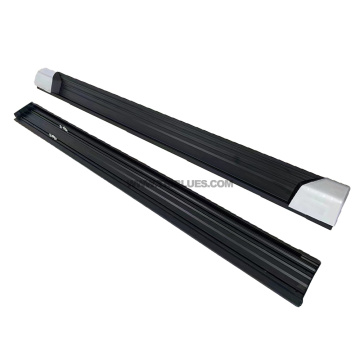
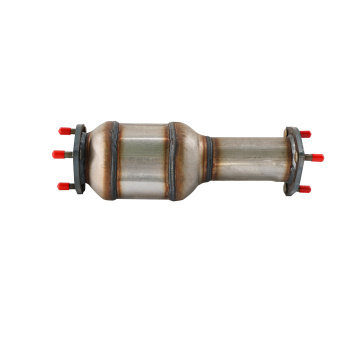

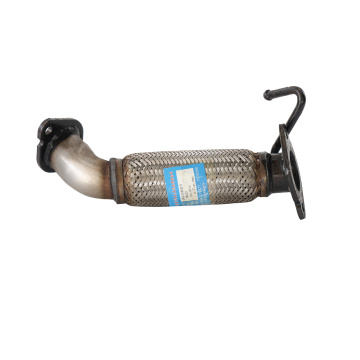
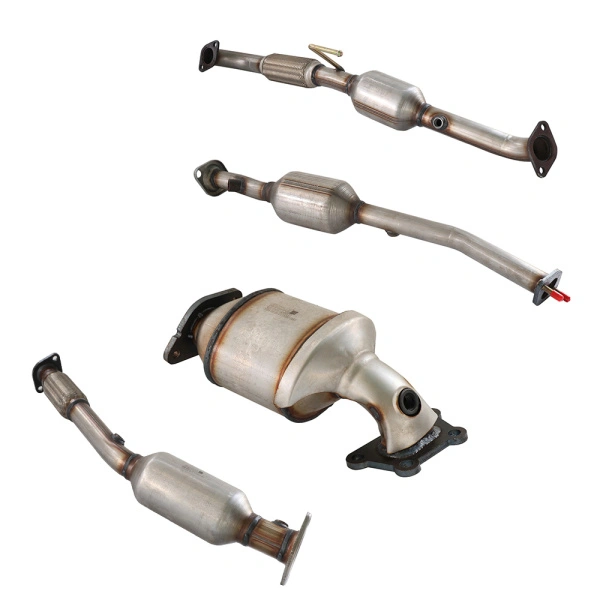
The Toyota Corolla catalytic converter is an essential emission control device designed to reduce toxic gases produced by the engine. By converting harmful pollutants like carbon monoxide and nitrogen oxides into less harmful substances, this component ensures your vehicle meets strict environmental standards while maintaining optimal exhaust flow.
For owners of the world's best-selling sedan, ensuring the integrity of this system is crucial. A properly functioning converter not only protects the environment but also prevents "check engine" lights from triggering due to efficiency codes, preserving your vehicle's performance and resale value.
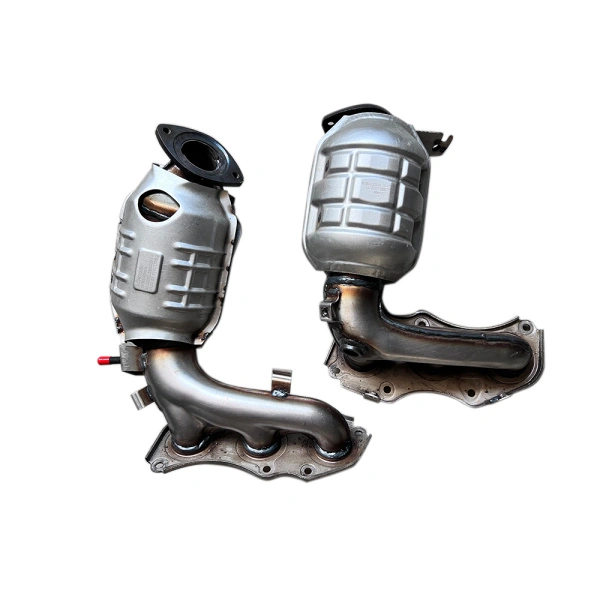
Jiangyin Triblues Technology Co., LTD. leverages advanced research capabilities and university partnerships to produce high-performance ceramic catalyst carriers. Our manufacturing process adheres to rigorous industrial standards, ensuring that every unit meets the precise thermal and chemical requirements of modern engines.
We utilize premium metal honeycomb structures and specialized washcoat technologies to maximize surface area and catalytic activity. This results in superior light-off performance, allowing the converter to reach operating temperature faster and reduce emissions more effectively during cold starts—a critical factor for city driving conditions common in Corolla usage.
Selecting the correct replacement part requires matching specific engineering specifications to your vehicle's model year and engine type. The Toyota Corolla catalytic converter fitment varies significantly between generations, making accurate identification vital for proper installation.
Key factors include the physical mounting configuration, flange shape, oxygen sensor baffle placement, and internal cell density. Using a non-OEM-specification converter can lead to poor fitment, exhaust leaks, or failure to pass local emissions inspections. Always verify the part number against your VIN to ensure compatibility with your specific powertrain.
Ensure the supplier provides documentation verifying compliance with regional emission standards (such as EPA or CARB regulations). This protects you from liability and ensures the product is legal for road use.
Verify the precious metal load (Platinum, Palladium, Rhodium) matches OEM specifications. Higher metal content generally correlates with better durability and conversion efficiency over the vehicle's lifespan.
Check for substrate stability under high heat. A quality converter must withstand repeated thermal cycling without cracking or melting, which is common in high-mileage vehicles.
Prefer manufacturers who invest in research, such as our cooperation with major universities. This indicates a commitment to technological advancement and consistent quality control rather than just assembly.
Over time, the internal honeycomb structure can become blocked by debris or broken ceramic fragments. This restricts exhaust flow, causing a significant loss of horsepower and reduced fuel economy.
Engine misfires or rich fuel mixtures can cause unburnt fuel to ignite inside the converter, leading to extreme temperatures that melt the internal structure. This often requires replacing both the converter and fixing the underlying engine issue.
If the downstream O2 sensor detects low efficiency, it triggers the check engine light. This is often the first sign that the catalytic converter is failing to process gases effectively.
Due to its low position in the exhaust system, the converter is susceptible to impact damage from road debris or improper jacking. Dents can crush the internal substrate, restricting airflow.
Our converters are widely used in the global aftermarket supply chain, providing reliable replacements for millions of Toyota Corollas on the road. We support distributors with consistent stock and rapid shipping.
Beyond automotive parts, our core expertise lies in large-scale industrial waste gas treatment equipment. We apply similar catalytic technology to treat emissions from factories and power plants.
We extend our catalytic technology to green home appliances, utilizing clean combustion and filtration systems to reduce household energy consumption and improve indoor air quality.
Unlike standard assemblers, we collaborate with top-tier institutions like Zhejiang University and Xi'an Jiaotong University. This academic partnership allows us to innovate in catalyst formulation and carrier design, offering buyers superior technical products.
Our track record includes close cooperation with state-owned enterprises and major brands like Shenyang Jinbei Automobile and Haier Group. Sourcing from us means partnering with a manufacturer trusted by industry leaders for quality and reliability.
From ceramic carriers and diesel particulate filters (DPF) to custom industrial solutions, we offer a one-stop procurement experience. Consolidate your supply chain with a single partner capable of handling diverse emission control needs.
Typically, these converters are designed to last the lifetime of the vehicle, often exceeding 100,000 miles. However, factors like engine health, driving habits, and fuel quality can influence their longevity. Regular maintenance helps prevent premature failure.
Yes, aftermarket converters are available and often more affordable than dealership parts. It is crucial to choose a high-quality unit that meets local emission regulations to avoid legal issues and ensure the vehicle passes inspection.
Common symptoms include a sulfur or rotten egg smell from the exhaust, decreased acceleration, difficulty starting the engine, and the illumination of the check engine light. If you notice these signs, immediate inspection is recommended.
Absolutely. A restricted exhaust flow forces the engine to work harder to expel gases, which directly reduces fuel efficiency. You may notice a gradual decline in miles per gallon as the blockage worsens.
Our company has been committed to the production, research and development of industrial waste gas treatment equipment,We have research and development cooperation with Zhejiang University, Xi 'an... Subscribe Our Newsletter
Related Products List

Privacy statement: Your privacy is very important to Us. Our company promises not to disclose your personal information to any external company with out your explicit permission.
Fill in more information so that we can get in touch with you faster
Privacy statement: Your privacy is very important to Us. Our company promises not to disclose your personal information to any external company with out your explicit permission.