
Email
 Jiangyin Triblues Technology Co., LTD.
Select Language
English


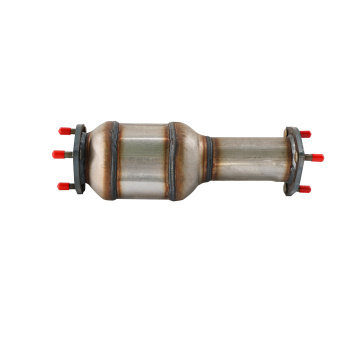

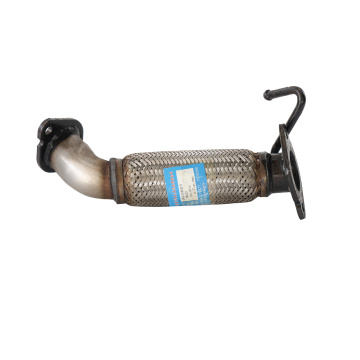
The Hyundai Elantra catalytic converter is a critical emissions control device designed to reduce toxic pollutants from the vehicle's exhaust system. Acting as a chemical bridge, it transforms harmful gases like carbon monoxide, nitrogen oxides, and hydrocarbons into less damaging substances such as carbon dioxide, water vapor, and nitrogen before they are released into the atmosphere.
For Hyundai Elantra owners and fleet managers, maintaining this component is essential for passing emissions tests, ensuring regulatory compliance, and protecting the environment. Modern converters utilize advanced ceramic or metal honeycomb substrates coated with precious metals like platinum, palladium, and rhodium to maximize efficiency and durability under high-temperature operating conditions.

Jiangyin Triblues Technology Co., LTD. leverages cutting-edge R&D capabilities to produce high-performance catalytic converters. Our manufacturing process integrates state-of-the-art ceramic carrier technology and precision coating techniques to ensure consistent thermal stability and long-lasting emission reduction performance.
We maintain close research and development cooperation with prestigious institutions including Zhejiang University, Xi'an Jiaotong University, East China University of Science and Technology, and South China University of Technology. This academic partnership allows us to apply the latest scientific breakthroughs to industrial waste gas treatment and automotive catalyst production.
Our rigorous quality control measures ensure that every Hyundai Elantra catalytic converter meets or exceeds OEM specifications, providing your customers with reliable, durable, and environmentally compliant products.
Selecting the correct catalytic converter for a Hyundai Elantra requires careful consideration of several technical factors to ensure optimal fitment and performance.
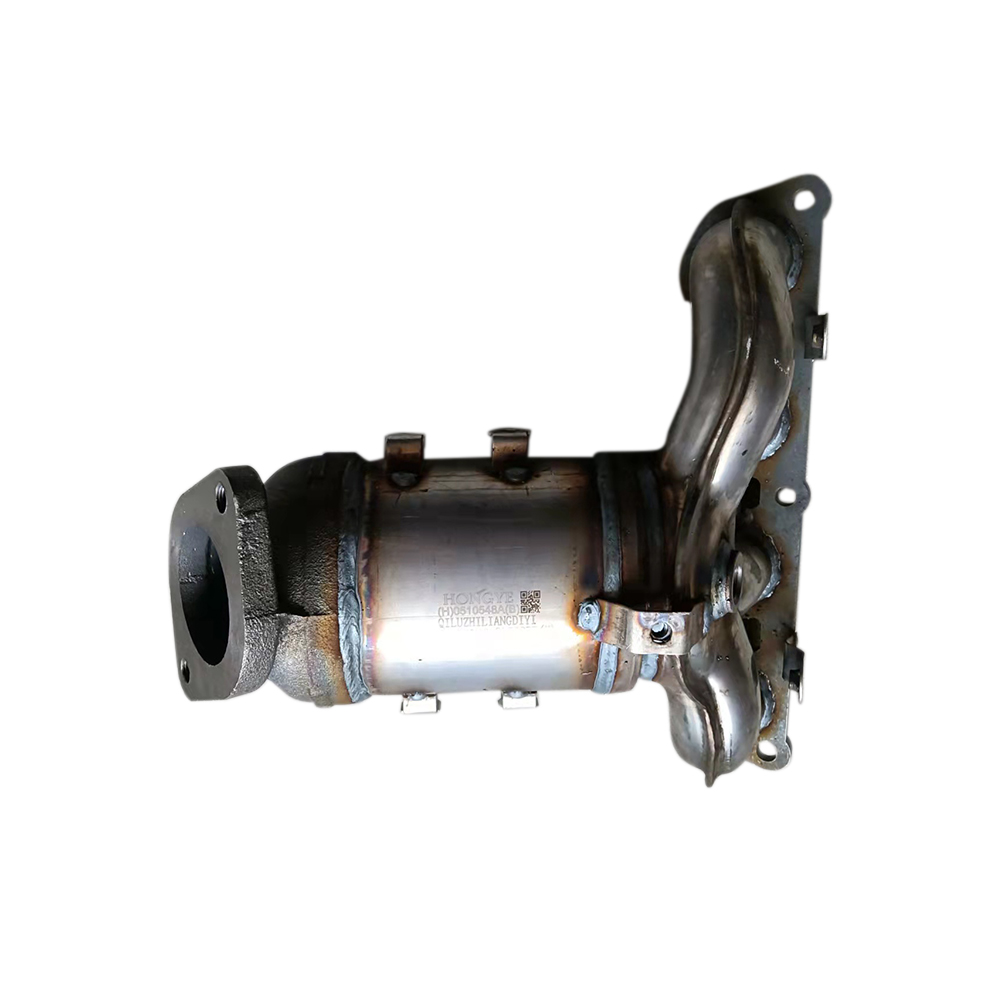
Use this checklist to evaluate potential suppliers and products before finalizing your procurement decision for Hyundai Elantra catalytic converters.
Awareness of common issues with Hyundai Elantra catalytic converters can help you implement preventive measures and provide better customer support.
Symptoms: Rattling noises, reduced fuel economy, illuminated check engine light.
Solution: Ensure proper engine tuning and exhaust system integrity. Use converters with appropriate heat shields and thermal barriers to protect against excessive temperatures.
Symptoms: Visible dents, cracks, or loose mounting points.
Solution: Select robust metal honeycomb substrates for high-vibration applications. Verify that all mounting brackets and gaskets meet OEM specifications for secure installation.
Symptoms: Sulfur odor, poor conversion efficiency, rapid degradation.
Solution: Advise customers to use high-quality fuel and oil. Implement regular maintenance schedules to prevent oil burning or coolant leaks that can poison the catalyst surface.
Hyundai Elantra catalytic converters serve diverse market segments beyond standard passenger vehicle ownership. Understanding these applications helps identify new business opportunities.
The global aftermarket sector demands high-quality replacement converters for aging Hyundai Elantra fleets. These products must match OEM performance while offering competitive pricing and wide availability through distribution networks.
Taxi services, ride-sharing platforms, and corporate fleets operate Elantras intensively. Their converters face accelerated wear, creating consistent demand for durable, long-lasting replacement units that minimize downtime.
International markets with varying emissions standards require customized converter solutions. Suppliers must navigate complex regulatory landscapes to provide compliant products for different regions and model years.
Leveraging our expertise in industrial waste gas treatment equipment, we also apply similar catalytic technologies to large-scale environmental protection projects, demonstrating our versatility in emission control solutions.
When sourcing Hyundai Elantra catalytic converters, partnering with a manufacturer that combines R&D excellence with industrial experience delivers superior value.
Our R&D cooperation with 985 universities including Zhejiang University and Xi'an Jiaotong University ensures access to cutting-edge catalyst formulations and production techniques.
We maintain close business relationships with major state-owned enterprises like Shenyang Jinbei Automobile, CSIC, and Haier Group, validating our manufacturing capabilities and quality standards.
Beyond catalytic converters, we offer diesel particulate filters, ceramic carriers, and custom industrial waste gas treatment equipment, serving as a one-stop solution for emission control needs.
Ceramic honeycomb substrates offer excellent thermal stability and high surface area for precious metal coating, making them ideal for standard emission control applications. Metal honeycomb substrates provide superior mechanical strength and resistance to physical shock, making them suitable for high-vibration environments or off-road applications. Both types can be optimized for Hyundai Elantra engines depending on specific performance requirements.
Look for official certification labels or documentation from the manufacturer indicating compliance with EPA (Environmental Protection Agency) or CARB (California Air Resources Board) standards. Reputable suppliers like Jiangyin Triblues Technology provide test reports and certification documents upon request. Always verify the exemption number for CARB-compliant products before installation.
Under normal driving conditions and with proper engine maintenance, a high-quality catalytic converter should last the lifetime of the vehicle, typically 100,000+ miles. Factors affecting lifespan include fuel quality, engine tuning, driving habits, and exposure to contaminants. Our converters undergo rigorous testing to ensure longevity and consistent performance over time.
Yes, we offer customization services for specific Hyundai Elantra model years, engine configurations, and regional emissions requirements. Our R&D team can develop tailored solutions based on your technical specifications, leveraging our extensive experience in both automotive and industrial catalyst production.
The primary precious metals used are platinum (Pt), palladium (Pd), and rhodium (Rh). Platinum and palladium act as oxidation catalysts, converting carbon monoxide and hydrocarbons. Rhodium serves as a reduction catalyst, breaking down nitrogen oxides. The specific formulation and loading levels vary based on the converter type and regulatory requirements.
Our company has been committed to the production, research and development of industrial waste gas treatment equipment,We have research and development cooperation with Zhejiang University, Xi 'an... Subscribe Our Newsletter
Related Products List

Privacy statement: Your privacy is very important to Us. Our company promises not to disclose your personal information to any external company with out your explicit permission.
Fill in more information so that we can get in touch with you faster
Privacy statement: Your privacy is very important to Us. Our company promises not to disclose your personal information to any external company with out your explicit permission.