
Email
 Jiangyin Triblues Technology Co., LTD.
Select Language
English


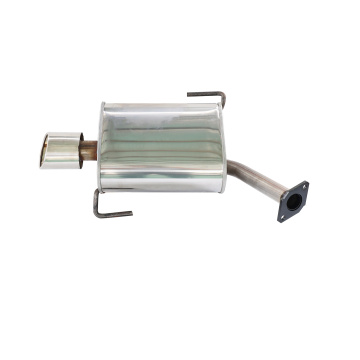


An industrial ceramic catalyst is a critical component in environmental protection and energy efficiency systems. It consists of a high-performance ceramic substrate coated with precious metal washcoats (such as platinum, palladium, or rhodium) that facilitate chemical reactions to convert harmful pollutants into harmless substances.
Unlike traditional metal catalysts, ceramic honeycomb catalysts offer superior thermal shock resistance, allowing them to withstand extreme temperature fluctuations common in industrial exhaust streams. This durability ensures a longer operational lifespan and consistent emission reduction performance.
At Jiangyin Triblues Technology Co., LTD., we specialize in manufacturing these advanced carriers for applications ranging from automotive emissions control to large-scale industrial waste gas treatment, ensuring compliance with the strictest global environmental standards.

Our manufacturing facility is equipped with state-of-the-art extrusion and coating lines designed to produce ceramic carriers with precise geometric accuracy. We adhere to rigorous quality control protocols at every stage, from raw material selection to final inspection.
We maintain strategic research partnerships with leading institutions such as Zhejiang University, Xi'an Jiaotong University, East China University of Science and Technology, and South China University of Technology. This collaboration drives continuous innovation in washcoat formulations and substrate geometries.
Our production processes are optimized to meet international standards for porosity, wall thickness, and coating adhesion. Every batch undergoes strict testing to ensure it meets the specific requirements of our clients in the automotive and industrial sectors.
Selecting the correct ceramic catalyst requires a deep understanding of your specific application's operating conditions. Key factors include exhaust flow rate, temperature profile, pollutant composition, and required conversion efficiency.
The cell density (measured in cells per square inch, CPSI) significantly impacts performance. Higher cell densities provide greater surface area for catalytic reactions but may increase backpressure. We help you find the optimal balance for your system.
Ensure the ceramic substrate material (typically cordierite or silicon carbide) is compatible with your exhaust chemistry. Silicon carbide offers superior thermal conductivity and durability for high-temperature industrial applications.
Our engineering team works closely with procurement buyers to analyze your technical specifications and recommend the most cost-effective solution that delivers maximum environmental compliance.

Verify the catalyst can withstand peak operating temperatures without sintering or cracking. Ask for thermal shock test data.
Confirm the guaranteed conversion rates for target pollutants (CO, HC, NOx, PM) under your specific operating conditions.
Ensure the substrate has sufficient crush strength to handle installation and vibration during operation.
Check if the supplier can tailor dimensions, cell density, and washcoat formulation to your unique requirements.
Assess the manufacturer's production capacity and lead times to ensure timely delivery for your projects.
Evaluate the supplier's ability to provide ongoing technical assistance and troubleshooting support.
One of the biggest risks when sourcing from unverified suppliers is variation between batches. Inconsistent coating weight or substrate geometry can lead to failed emissions tests and costly downtime. Always request sample testing before committing to large orders.
Low-quality ceramic substrates may crack under rapid temperature changes, causing complete system failure. Ensure your supplier uses high-grade materials like silicon carbide for high-temperature applications and provides verified thermal cycling test results.
Manufacturing delays can disrupt your entire production schedule. Work with established manufacturers who have proven track records of on-time delivery and transparent communication about production status.
Suppliers who fail to provide detailed technical data sheets, compliance certificates, and installation guides create integration challenges. Choose partners who prioritize comprehensive documentation and technical support.
| Criteria | Jiangyin Triblues Technology | Why It Matters |
|---|---|---|
| R&D Partnerships | 985 Universities (Zhejiang, Xi'an Jiaotong, etc.) | Ensures cutting-edge technology and continuous product improvement backed by academic research. |
| Enterprise Clients | Shenyang Jinbei, CSIC, Haier Group | Proven capability to serve large state-owned enterprises with demanding quality and volume requirements. |
| Product Range | Full spectrum (Ceramic, Metal, DPF) | One-stop sourcing capability reduces vendor management complexity and ensures compatibility across systems. |
| Customization | OEM/ODM Available | Flexible manufacturing to meet unique specifications for diverse industrial applications. |
Three-way catalytic converters for gasoline and diesel engines, reducing CO, HC, and NOx emissions to meet Euro VI and China VI standards.
Large-scale catalytic oxidation systems for manufacturing facilities, converting volatile organic compounds (VOCs) and hazardous air pollutants.
Ceramic DPF systems for heavy-duty diesel engines and generators, capturing and oxidizing soot particles to achieve near-zero particulate emissions.
Catalytic systems integrated into residential heating and cooking appliances to improve combustion efficiency and reduce indoor air pollution.
Catalytic solutions for marine diesel engines and stationary power generation units, ensuring compliance with IMO and local emission regulations.
High-strength metal substrates for applications requiring rapid light-off times and compact designs, such as turbocharger-integrated systems.
Ceramic catalysts, typically made from cordierite or silicon carbide, offer excellent thermal shock resistance and lower cost. Metal catalysts provide higher mechanical strength and faster light-off times but are generally more expensive. The choice depends on your specific application requirements and budget constraints.
With proper maintenance and operating within design parameters, industrial ceramic catalysts can last for the entire service life of the equipment, often exceeding 10 years or 20,000 hours of operation. However, exposure to contaminants like phosphorus or sulfur can degrade performance over time.
Yes, we offer full OEM/ODM services. Our manufacturing capabilities allow us to produce ceramic carriers in various shapes, sizes, and cell densities to match your exact specifications. Our engineering team will work with you to optimize the design for your application.
Our products are manufactured in facilities that comply with international quality management standards. We provide detailed technical data sheets and test reports for each product batch, including measurements of pressure drop, conversion efficiency, and thermal stability.
Standard lead times range from 4 to 8 weeks depending on order volume and customization requirements. For urgent needs, please contact our sales team to discuss expedited options. We maintain inventory of common configurations to support faster delivery when possible.
Absolutely. Our technical team provides comprehensive support including installation guidelines, commissioning assistance, and troubleshooting advice. We also offer training programs for your maintenance staff to ensure optimal catalyst performance and longevity.
Our company has been committed to the production, research and development of industrial waste gas treatment equipment,We have research and development cooperation with Zhejiang University, Xi 'an... Subscribe Our Newsletter
Related Products List

Privacy statement: Your privacy is very important to Us. Our company promises not to disclose your personal information to any external company with out your explicit permission.
Fill in more information so that we can get in touch with you faster
Privacy statement: Your privacy is very important to Us. Our company promises not to disclose your personal information to any external company with out your explicit permission.