Catalytic Converter for Generator

What Is a Catalytic Converter for Generator?

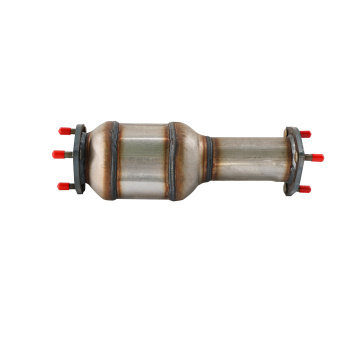
A catalytic converter for generator is an emission control device designed to reduce toxic exhaust gases produced by diesel or gasoline generators. It works by using catalyst materials to convert harmful pollutants like nitrogen oxides (NOx), carbon monoxide (CO), and hydrocarbons into less harmful substances before they are released into the atmosphere.

For industrial and commercial operations, ensuring your generator meets local environmental regulations is critical. Our catalytic converters offer a reliable solution to help you maintain compliance while protecting your equipment from backpressure issues that can lead to engine damage.

Diesel Engine Compliance NOx Reduction Carbon Monoxide Scrubbing

Why Choose Triblues Technology for Generator Exhaust Solutions?

University R&D Partnership
We collaborate with top 985 universities including Zhejiang University and Xi'an Jiaotong University, ensuring our technology is backed by advanced research.
Custom Engineering
From ceramic carriers to metal honeycomb catalysts, we provide tailored solutions for specific generator models and industrial waste gas requirements.
Proven Reliability
Trusted by major enterprises like Shenyang Jinbei Automobile and Haier Group for high-performance emission control components.

Quality & Manufacturing Standards

Our manufacturing process ensures that every catalytic converter for generator meets rigorous performance standards. We utilize high-quality ceramic and metal honeycomb substrates that offer superior thermal stability and durability under heavy load conditions.

Advanced Substrate Technology

We produce both ceramic and metal honeycomb catalysts. The choice of substrate depends on your specific application needs, balancing factors like light-off temperature, pressure drop, and mechanical strength.

Precision Coating

Our washcoat formulations are optimized for maximum surface area contact, ensuring efficient conversion of pollutants even at lower exhaust temperatures common in generator applications.

Manufacturing facility for generator catalytic converters
Generator exhaust system installation guide

How to Choose the Right Catalyst for Your Generator

Selecting the correct generator catalytic converter requires understanding your engine's specific output and local emission standards. Key factors include flow rate capacity, thermal tolerance, and chemical composition.

Match Flow Rate to Engine Size

Ensure the converter's inlet/outlet dimensions match your generator's exhaust pipe diameter to minimize backpressure, which can affect fuel efficiency and power output.

Consider Fuel Type

Diesel generators require different catalyst formulations compared to gasoline units. Our Diesel Particulate Filters (DPF) and Three-Way Catalysts are specifically engineered for their respective fuel types.

Compliance Requirements

Check your local environmental regulations. If you need to meet Tier 4 or similar standards, a specialized DPF combined with a SCR system may be necessary.

Common Problems with Generator Emission Systems

Excessive Backpressure
Clogged filters or improperly sized converters can cause backpressure, leading to reduced engine power, increased fuel consumption, and potential overheating.
Thermal Degradation
Prolonged exposure to extreme heat can degrade the catalyst coating over time, reducing its effectiveness. High-quality substrates resist this degradation.
Corrosion Damage
Condensation and acidic byproducts can corrode the housing. Our metal honeycomb options offer superior corrosion resistance for harsh environments.

Buyer Decision Checklist for Emission Control

Verify Compatibility: Ensure the converter fits your generator model's exhaust manifold and piping specifications.
Check Certification: Confirm the supplier provides test reports or certifications matching your region's emission standards.
Assess Lead Times: Custom catalysts may require longer production times. Plan your procurement accordingly.
Evaluate Support: Choose a supplier like Triblues Technology that offers technical support for installation and maintenance.
Review Warranty: Understand the warranty terms regarding catalyst efficiency retention over time.
Request Samples: For large orders, request samples to test fitment and performance before full commitment.

Industry Applications for Generator Catalysts

Data Centers
Backup generators for data centers must run cleanly and quietly. Our converters ensure compliance with strict urban emission zones.
Construction Sites
Temporary power sources on construction sites face dust and vibration. Our durable metal honeycomb designs withstand these harsh conditions.
Healthcare Facilities
Hospitals rely on uninterrupted power. Our certified catalysts help medical facilities meet environmental regulations without compromising safety.
Mining Operations
Remote mining sites use heavy-duty diesel generators. Our robust emission solutions handle high-sulfur fuels and extreme loads.
Telecommunications
Cell tower backup generators benefit from compact, high-efficiency converters that save space while reducing emissions.
Residential Communities
For residential standby generators, low-noise and low-emission converters help maintain community peace and comply with local ordinances.

Supplier Recommendations for Emission Control

When sourcing catalytic converters for generators, prioritize suppliers who combine manufacturing capability with engineering expertise. Look for partners who offer:

  • 1. R&D Capabilities: Suppliers with university partnerships, like Triblues Technology, bring cutting-edge research to practical applications.
  • 2. Product Range: A supplier offering ceramic, metal, DPF, and custom solutions can address all your emission needs from a single source.
  • 3. Enterprise Experience: Proven track records with large corporations indicate reliability and consistent quality control.
  • 4. Customization Options: Ability to tailor catalyst formulations and physical dimensions to your specific generator model.

Frequently Asked Questions About Generator Catalysts

How long does a catalytic converter for generator typically last?
With proper maintenance and operating within design parameters, a high-quality catalytic converter can last the entire lifespan of the generator, often exceeding 10,000 to 20,000 hours of operation. Regular inspection for physical damage and monitoring exhaust temperatures can extend its service life.
Can I install a catalytic converter myself?
While physically possible, we recommend professional installation to ensure proper sealing and alignment. Incorrect installation can lead to exhaust leaks, increased backpressure, and voided warranties. Our technical team can provide guidance or connect you with certified installers.
What is the difference between ceramic and metal honeycomb catalysts?
Ceramic honeycombs offer excellent thermal stability and cost-effectiveness for standard applications. Metal honeycombs provide higher durability, better resistance to thermal shock, and lower backpressure, making them ideal for heavy-duty or vibration-prone environments like construction generators.
Do you offer custom sizing for industrial generators?
Yes, we specialize in customizing catalytic converters for various generator sizes and configurations. Whether you need a specific inlet/outlet dimension or a unique washcoat formulation for a particular fuel type, our engineering team can develop a tailored solution.
How do I know if my generator needs a new catalyst?
Signs include increased visible exhaust smoke, failure to pass emission tests, unusual engine sounds due to backpressure, or simply reaching the recommended service interval. Regular diagnostic testing is the best way to monitor catalyst health.
Jiangyin Triblues Technology Co., LTD. Our company has been committed to the production, research and development of industrial waste gas treatment equipment,We have research and development cooperation with Zhejiang University, Xi 'an...

Subscribe Our Newsletter

We will contact you immediately

Fill in more information so that we can get in touch with you faster

Privacy statement: Your privacy is very important to Us. Our company promises not to disclose your personal information to any external company with out your explicit permission.

Send