
Email
 Jiangyin Triblues Technology Co., LTD.
Select Language
English


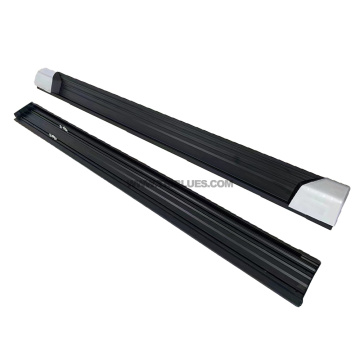
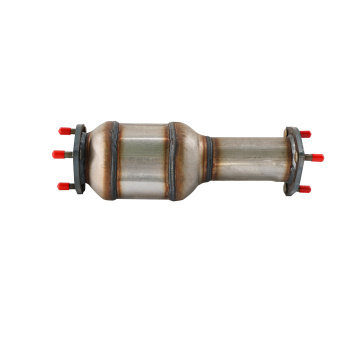

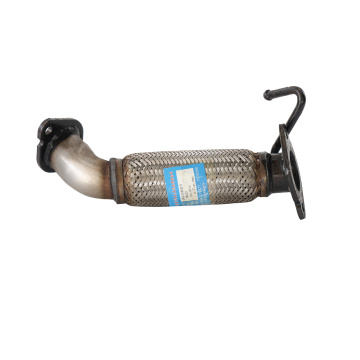
A BMW catalytic converter is an essential emission control device designed to reduce toxic gases produced by the engine. By converting harmful pollutants like carbon monoxide, nitrogen oxides, and hydrocarbons into less harmful substances, this component ensures your vehicle meets strict environmental standards while maintaining optimal engine performance.
For BMW owners, the integrity of the catalytic converter directly impacts fuel efficiency, exhaust flow, and overall driving experience. Our company has been committed to the production and research of high-quality industrial waste gas treatment equipment, leveraging advanced ceramic carrier technology and three-way catalyst converters to deliver superior emission control solutions tailored for BMW vehicles.
Whether you are looking for replacement parts or custom solutions, understanding the role of the catalytic converter in your BMW helps you make informed decisions about maintenance and upgrades.
As a specialized manufacturer of other engine parts, we offer premium catalytic converters that combine cutting-edge technology with rigorous quality standards. Our products are engineered to provide durable, efficient, and compliant emission control solutions for BMW vehicles.


Our manufacturing facility employs state-of-the-art technology to produce ceramic carriers, three-way catalyst converters, and diesel particulate filters. Each product undergoes stringent quality checks to ensure compliance with international standards.
We collaborate with prestigious institutions such as Zhejiang University, Xi'an Jiaotong University, East China University of Science and Technology, and South China University of Technology to continuously improve our emission control technologies.
Our commitment to quality is reflected in our partnerships with leading enterprises like Shenyang Jinbei Automobile Co., LTD., CSIC, and Haier Group, ensuring that every BMW catalytic converter we produce meets the highest industry benchmarks.
Selecting the appropriate BMW catalytic converter involves evaluating several factors including vehicle model, engine type, emission standards, and performance requirements. Here's a comprehensive guide to help you make the right choice:
Ensure the catalytic converter matches your BMW's specific model and year. Customization options are available for unique applications.
Choose converters that meet current environmental regulations to avoid legal issues and ensure smooth vehicle inspections.
Opt for converters with high-quality ceramic carriers and metal honeycomb catalysts for enhanced durability and performance.
Before making a purchase decision, use this checklist to evaluate potential suppliers and products:
When sourcing BMW catalytic converters, it's crucial to partner with manufacturers who demonstrate expertise in emission control technology. We recommend evaluating suppliers based on their R&D capabilities, production facilities, and industry partnerships.
A trusted manufacturer specializing in catalytic converters, ceramic carriers, and diesel particulate filters with extensive university collaborations and enterprise partnerships.
Look for companies that maintain active R&D relationships with top-tier universities to stay at the forefront of emission control innovation.
Prioritize suppliers who have established business relationships with major automotive and industrial enterprises, indicating reliability and quality assurance.
Buyers often encounter several challenges when sourcing BMW catalytic converters. Being aware of these common issues can help you avoid costly mistakes and ensure a smooth procurement process.
The market is flooded with low-quality replicas that fail to meet emission standards. Always verify supplier credentials and request certification documents before purchasing.
Incorrect specifications can lead to installation failures and performance issues. Double-check vehicle compatibility details and consult with technical experts when in doubt.
Supply chain disruptions can cause significant project delays. Work with suppliers who have proven logistics capabilities and transparent shipping processes.
Poor customer service can leave buyers stranded when issues arise. Choose suppliers that offer comprehensive warranty coverage and responsive technical assistance.
BMW catalytic converters serve diverse applications across various industries, from automotive to industrial waste gas treatment. Understanding these use cases helps buyers identify the right solution for their specific needs.
Primary application in BMW vehicles to reduce harmful emissions and ensure compliance with environmental regulations while maintaining engine performance.
Large-scale industrial waste gas treatment equipment utilizes similar catalytic technology to manage emissions from manufacturing processes and power generation.
Emerging applications include emission control systems for green home appliances, demonstrating the versatility of our catalytic technology beyond automotive uses.
With proper maintenance and quality construction, a BMW catalytic converter can last between 10 to 15 years or approximately 100,000 to 150,000 miles. Our products utilize advanced ceramic carriers and high-quality catalyst materials to maximize durability and performance longevity.
Signs include reduced engine performance, unusual exhaust odors, failed emission tests, and check engine light illumination. Regular inspections by qualified technicians can help identify issues early and prevent further damage to your vehicle's emission system.
Yes, we offer customization services for specific BMW models and applications. Our R&D team works closely with clients to develop tailored solutions that meet exact specifications and performance requirements.
Look for suppliers with ISO certifications, environmental compliance documentation, and partnerships with recognized automotive or industrial enterprises. Our company maintains close cooperation with state-owned large enterprises and prestigious universities, ensuring the highest quality standards.
Ceramic catalysts offer excellent thermal stability and cost-effectiveness, while metal honeycomb catalysts provide superior durability and resistance to physical damage. Both types are available in our product range, allowing you to choose based on your specific application requirements.
Our company has been committed to the production, research and development of industrial waste gas treatment equipment,We have research and development cooperation with Zhejiang University, Xi 'an... Subscribe Our Newsletter
Related Products List

Privacy statement: Your privacy is very important to Us. Our company promises not to disclose your personal information to any external company with out your explicit permission.
Fill in more information so that we can get in touch with you faster
Privacy statement: Your privacy is very important to Us. Our company promises not to disclose your personal information to any external company with out your explicit permission.