
Email
 Jiangyin Triblues Technology Co., LTD.
Select Language
English


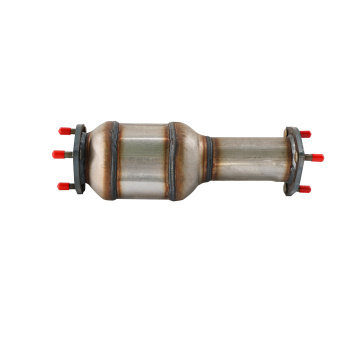

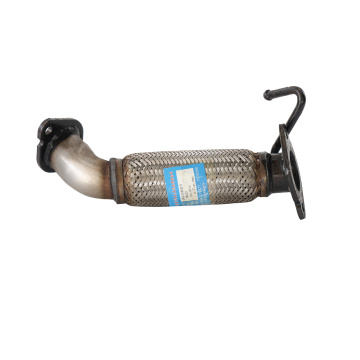


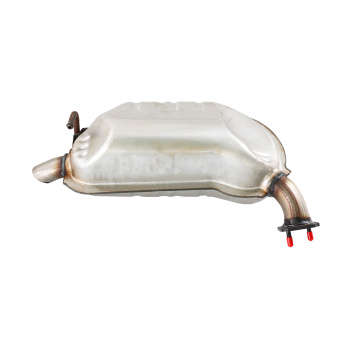
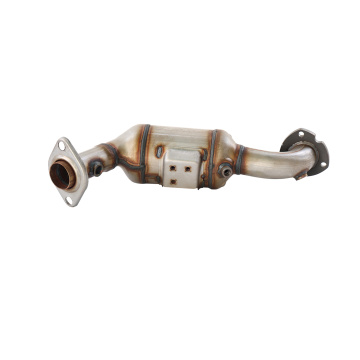
A car catalytic converter is an essential emission control device integrated into your vehicle's exhaust system. Its primary function is to reduce the toxicity of harmful gases produced by internal combustion engines. By converting toxic pollutants like carbon monoxide, nitrogen oxides, and hydrocarbons into less harmful substances such as carbon dioxide, water vapor, and nitrogen, these devices ensure that vehicles comply with stringent environmental regulations.
Utilizing precious metals like platinum, palladium, and rhodium, the catalyst facilitates chemical reactions that neutralize hazardous emissions before they exit through the tailpipe.
Modern catalytic converters are designed to meet rigorous global emission standards, helping vehicle owners avoid legal penalties and contribute to cleaner air quality.
At Jiangyin Triblues Technology Co., LTD., we prioritize precision engineering and rigorous quality control in every catalytic converter we produce. Our manufacturing process leverages advanced technology and extensive research partnerships to deliver products that offer superior durability and emission reduction efficiency.
We collaborate with prestigious institutions like Zhejiang University and Xi'an Jiaotong University to continuously improve our ceramic and metal honeycomb catalyst technologies. This academic backing ensures our converters utilize the most effective washcoat formulations and substrate structures available.
Every batch undergoes strict testing for thermal stability, flow resistance, and conversion efficiency. We use high-grade ceramic carriers and durable stainless steel housings to withstand extreme engine temperatures and road conditions, ensuring long-term reliability for fleet operators and individual consumers alike.


Selecting the correct catalytic converter requires matching technical specifications precisely to your vehicle's engine type and year. A mismatch can lead to check-engine lights, reduced performance, or failed emissions tests. Here is what professional buyers should look for:
Ensure the replacement unit matches the original equipment manufacturer (OEM) dimensions and mounting points. Direct-fit converters simplify installation and eliminate the need for custom fabrication, reducing labor costs and downtime.
Ceramic Converters offer excellent heat resistance and cost-effectiveness for standard passenger vehicles. Metal Honeycomb Converters provide higher impact resistance and faster light-off times, making them ideal for heavy-duty trucks or off-road applications where durability is paramount.
Verify that the converter meets the specific emission standards applicable in your region (e.g., EPA, Euro 6). High-conversion catalysts ensure you pass inspections on the first attempt, protecting your reputation if you are supplying aftermarket parts.
When sourcing catalytic converters for your business, use this checklist to evaluate suppliers and mitigate risk. Ensuring you cover these bases protects your supply chain and guarantees product quality.
While known for automotive components, our expertise extends significantly into industrial waste gas treatment. The same catalytic principles used in car converters are scaled up for heavy industry, providing versatile solutions for environmental compliance across multiple sectors.
Supplying OEMs and aftermarket channels with high-efficiency three-way catalysts and diesel particulate filters (DPF) for cars, trucks, and commercial fleets.
Providing large-scale customized catalytic oxidation systems for factories to treat volatile organic compounds (VOCs) and other hazardous industrial exhaust gases.
Offering specialized emission control solutions for diesel generator sets, ensuring power plants and backup generators meet local air quality regulations.
Applying miniaturized catalytic technology to home appliances to improve indoor air quality and reduce energy consumption during operation.
Choosing the right supplier is critical for maintaining consistent supply and competitive pricing. Jiangyin Triblues Technology stands out in the automotive parts market for several key reasons:
Unlike typical manufacturers, we maintain active R&D cooperation with top-tier 985 universities, giving us access to cutting-edge catalyst formulations.
We have established trusted business relationships with major state-owned enterprises like Shenyang Jinbei Automobile and CSIC, proving our reliability at scale.
From small consumer ceramic carriers to massive industrial waste gas treatment units, we offer a one-stop procurement solution for diverse emission control needs.
Ceramic catalysts are generally more cost-effective and offer high thermal stability, making them suitable for most passenger vehicles. Metal honeycomb catalysts are more durable, resistant to vibration and impact, and allow for faster engine light-off, which is beneficial for heavy-duty applications and cold climates.
Yes, customization is a core capability. We work directly with engineering teams to design converters that fit specific chassis configurations, engine displacements, and emission requirements for both OEM partners and aftermarket applications.
Absolutely. In addition to gasoline three-way catalysts, we manufacture high-performance Diesel Particulate Filters and Ceramic Catalysts specifically engineered for diesel engines to capture soot and reduce NOx emissions.
Our industrial solutions serve various sectors including manufacturing, power generation (diesel generators), and even green home appliances. We provide customized installations for large-scale facilities requiring VOC abatement and exhaust purification.
Our company has been committed to the production, research and development of industrial waste gas treatment equipment,We have research and development cooperation with Zhejiang University, Xi 'an... Subscribe Our Newsletter
Related Products List

Privacy statement: Your privacy is very important to Us. Our company promises not to disclose your personal information to any external company with out your explicit permission.
Fill in more information so that we can get in touch with you faster
Privacy statement: Your privacy is very important to Us. Our company promises not to disclose your personal information to any external company with out your explicit permission.