
Email
 Jiangyin Triblues Technology Co., LTD.
Select Language
English


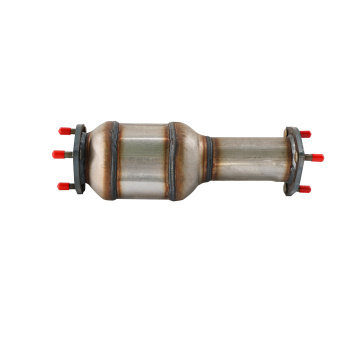

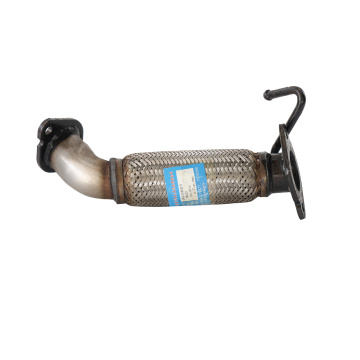


A Universal DPF Ceramic Substrate is the core filtration component of a Diesel Particulate Filter. Acting as a monolithic honeycomb structure, it captures soot particles from diesel engine exhaust while allowing gases to pass through its porous walls. This ceramic carrier is critical for meeting stringent emissions standards across various vehicle classes.
Our company has been committed to the production and research and development of industrial waste gas treatment equipment. The universal nature of these substrates allows them to be adapted for diverse applications, from motorcycle engines to large-scale industrial generators, ensuring consistent performance regardless of the specific exhaust flow dynamics.
Precision manufacturing is paramount for high-efficiency soot capture. Our production processes ensure uniform cell density and wall thickness, which directly impact backpressure and filtration efficiency. We leverage advanced ceramic extrusion and coating technologies to deliver substrates that withstand extreme thermal shocks.
We maintain research and development cooperation with prestigious institutions including Zhejiang University, Xi'an Jiaotong University, East China University of Science and Technology, and South China University of Technology. This academic partnership drives innovation in our ceramic catalyst formulations and structural designs.
Our products are validated through close cooperation with state-owned large enterprises such as Shenyang Jinbei Automobile Co., LTD., CSIC, and Haier Group. This rigorous testing ensures that our Universal DPF Ceramic Substrates perform reliably under heavy-duty conditions and varying operational environments.
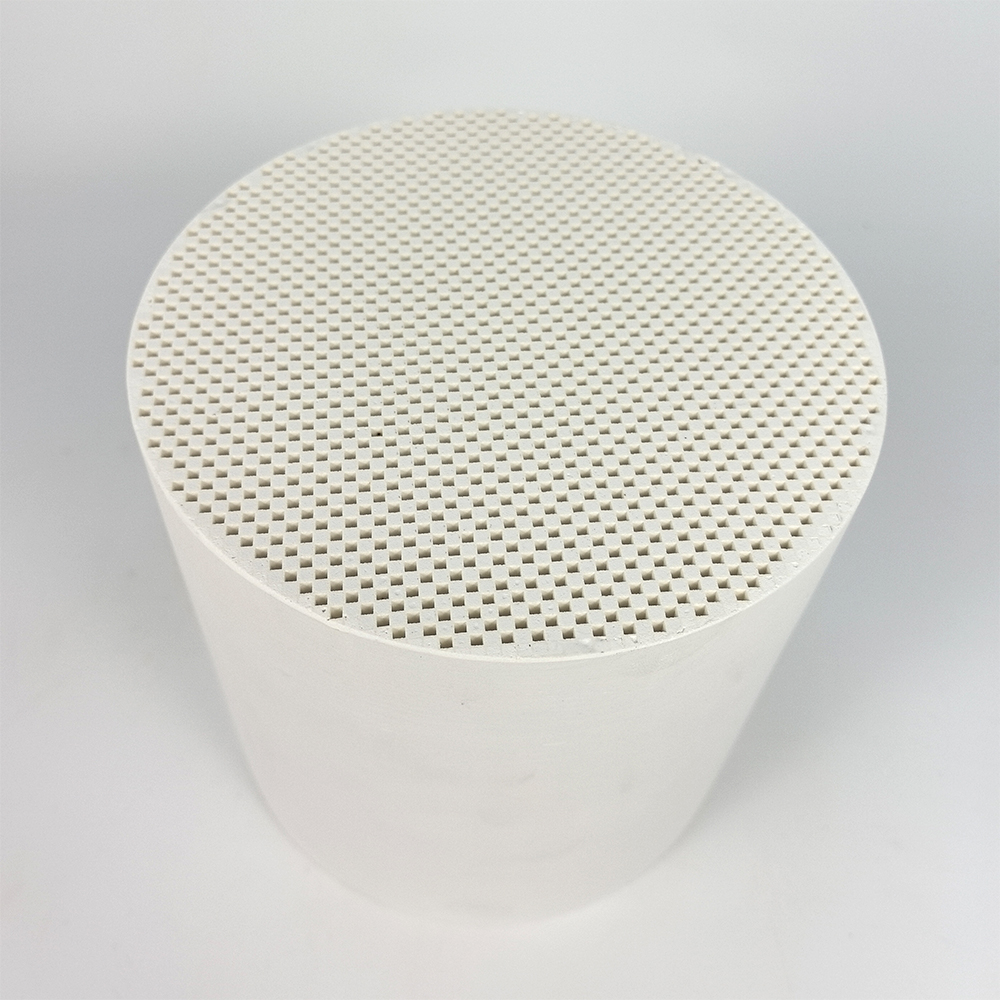
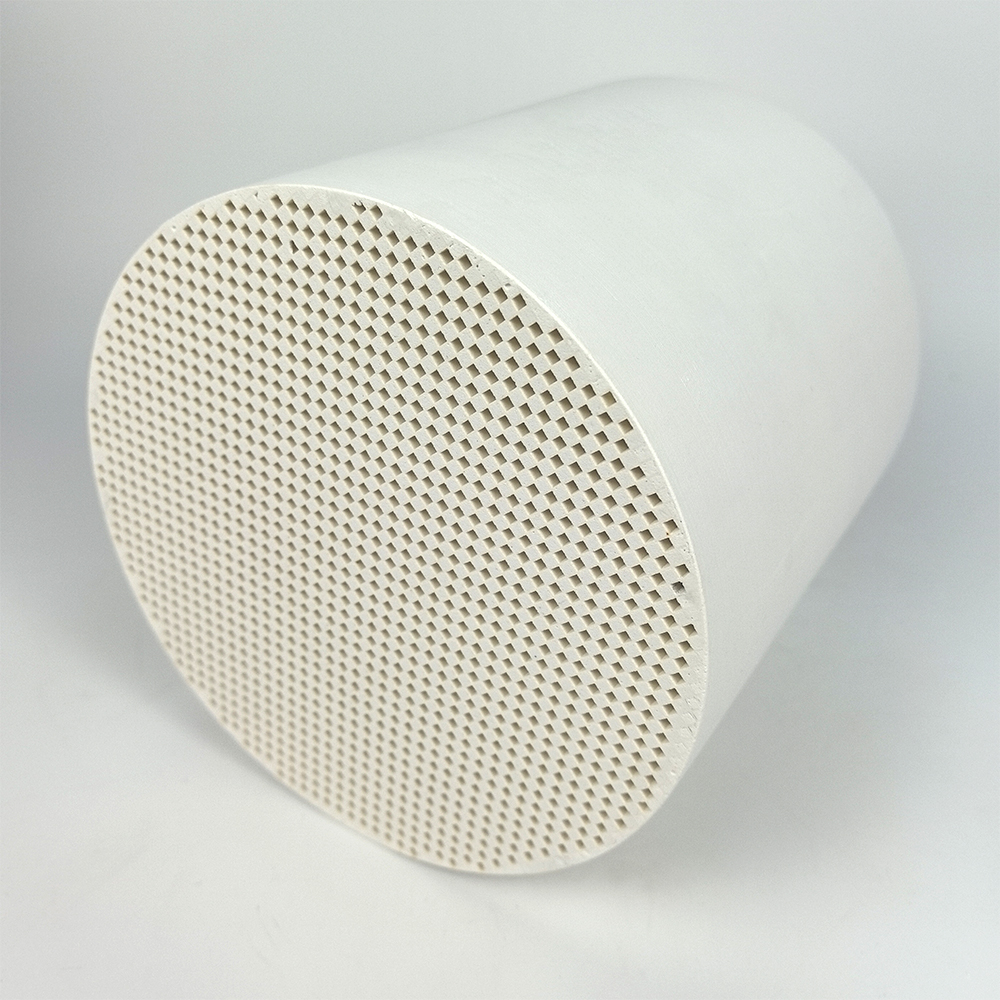
Selecting the correct substrate requires balancing flow rate, surface area, and pressure drop. Buyers must consider the specific engine displacement and application type—whether for motorcycles, automotive, or stationary generator sets—to ensure optimal fitment and performance.
Higher cells per square inch (CPSI) offers greater surface area for catalytic coating but increases exhaust backpressure. For smaller displacement engines like motorcycles, lower CPSI variants may be preferable to maintain power output while still achieving effective particulate filtration.
Ensure the substrate material can handle regeneration temperatures without cracking. Our ceramic carriers are engineered for high thermal inertia, reducing the risk of failure during active regeneration cycles common in diesel mechanical particulate filter applications.
Verify that the substrate dimensions and cell structure match your exhaust system design. Confirm compatibility with your intended catalytic washcoat to ensure chemical stability and long-term durability.
Check if the supplier adheres to international quality management standards. While specific certifications vary, look for suppliers who demonstrate rigorous internal quality control protocols consistent with ISO standards.
Assess the manufacturer's capacity to deliver consistent batch-to-batch quality. Partnerships with major industrial groups indicate a proven track record of reliable supply and large-scale production capabilities.
Determine if the supplier offers customization for non-standard sizes or shapes. Flexibility in producing custom metal honeycomb catalysts or specialized ceramic carriers can save significant engineering time.
Over time, accumulated soot can increase backpressure beyond acceptable limits. This reduces engine efficiency and fuel economy. Regular monitoring and appropriate regeneration strategies are essential to prevent permanent damage to the substrate.
Rapid temperature changes during regeneration can cause thermal stress. If the substrate lacks sufficient thermal shock resistance, cracks may form, leading to unfiltered exhaust release. High-quality ceramic materials minimize this risk.
Unlike soot, ash from engine oil additives does not burn off. It permanently blocks pores over time. Selecting substrates with optimized open porosity can delay ash-related clogging and extend service intervals.
Poor adhesion between the catalytic coating and the ceramic surface can lead to washcoat loss. This reduces the conversion efficiency of harmful gases. Ensure suppliers use advanced coating techniques for strong bonding.
Prioritize suppliers with strong R&D ties to top-tier universities. This collaboration ensures access to cutting-edge ceramic technologies and continuous product improvement, giving you a competitive edge in emissions compliance.
Look for suppliers with established relationships with major industrial players like Haier Group or CSIC. These partnerships validate the supplier's ability to meet strict quality and delivery requirements for critical components.
Choose suppliers offering a full suite of solutions, including ceramic carriers, three-way catalyst converters, and diesel mechanical particulate filters. A single-source capability simplifies procurement and ensures component compatibility.
The lifespan depends on operating conditions and maintenance. With proper regeneration and ash management, a high-quality ceramic substrate can last the entire life of the engine. However, severe thermal abuse or physical damage can shorten its service life significantly.
Yes, the ceramic material itself is recyclable. Additionally, the precious metals used in the catalytic washcoat can be recovered and reused. Many manufacturers offer take-back programs to handle end-of-life substrates responsibly.
Symptoms include reduced engine power, increased fuel consumption, and higher exhaust temperatures. Modern systems often have differential pressure sensors to alert operators when backpressure exceeds safe thresholds, indicating potential blockage.
Ceramic substrates offer superior thermal stability and are generally more cost-effective for standard applications. Metal substrates provide better mechanical strength and lighter weight but are typically more expensive. The choice depends on specific performance requirements and budget constraints.
Yes, we specialize in the customization and installation of large-scale industrial waste gas treatment equipment. Our team can design bespoke solutions for unique industrial applications, ensuring optimal filtration and compliance with environmental regulations.
Our company has been committed to the production, research and development of industrial waste gas treatment equipment,We have research and development cooperation with Zhejiang University, Xi 'an... Subscribe Our Newsletter
Related Products List

Privacy statement: Your privacy is very important to Us. Our company promises not to disclose your personal information to any external company with out your explicit permission.
Fill in more information so that we can get in touch with you faster
Privacy statement: Your privacy is very important to Us. Our company promises not to disclose your personal information to any external company with out your explicit permission.