
Email
 Jiangyin Triblues Technology Co., LTD.
Select Language
English


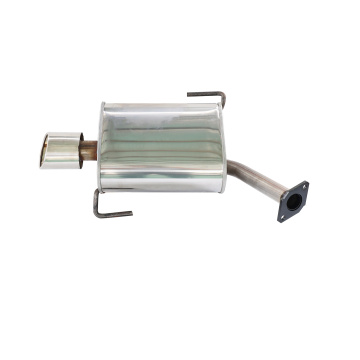


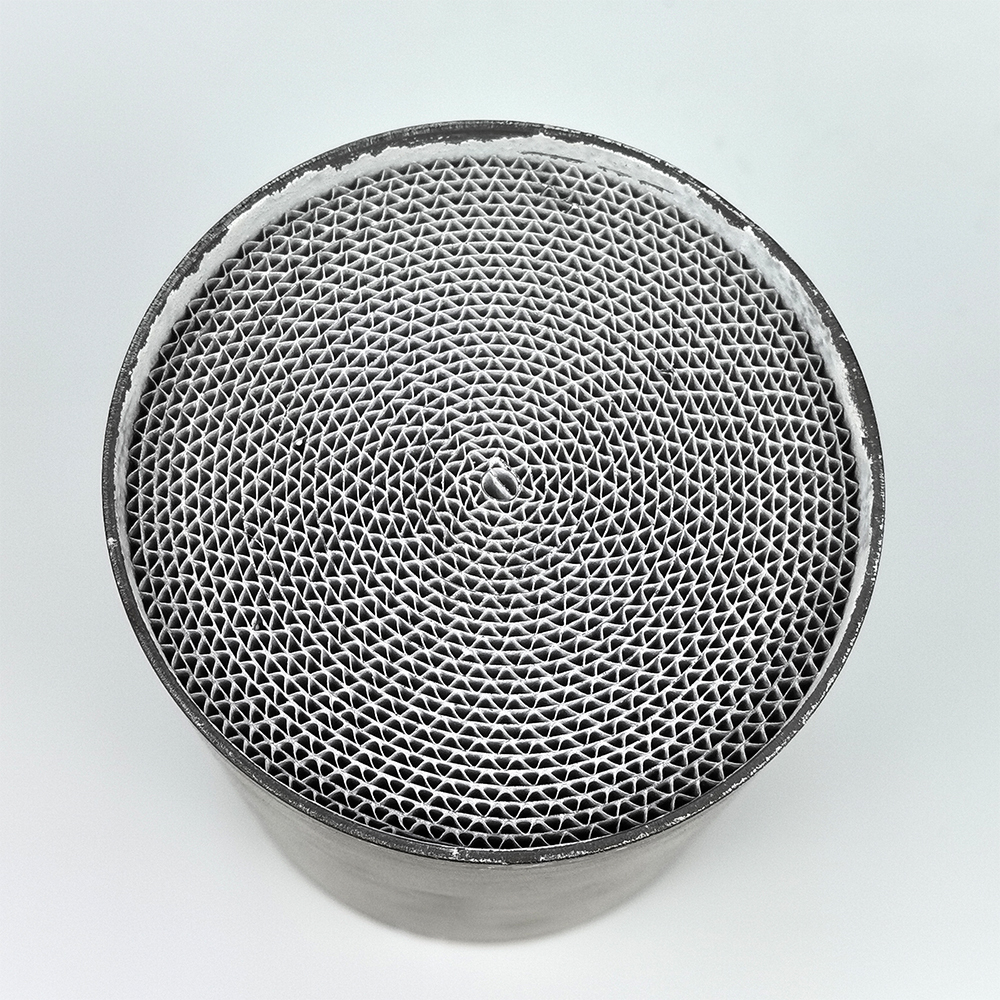
The **Metal Honeycomb Catalyst Substrate** is the structural core of modern emission control systems. Unlike traditional ceramic substrates, this substrate utilizes a metallic foil structure to create thousands of parallel flow channels. This design offers superior mechanical strength and thermal shock resistance, making it ideal for heavy-duty industrial applications and automotive exhaust treatments.
At Jiangyin Triblues Technology Co., LTD., we engineer these substrates to maximize surface area for catalyst coating while minimizing backpressure. This ensures that your equipment maintains peak efficiency without compromising engine power or industrial process throughput.
Our substrates are compatible with a wide range of catalytic materials, including precious metals like platinum, palladium, and rhodium, allowing for customized solutions tailored to specific pollutant profiles such as NOx, CO, and hydrocarbons.
Our manufacturing process is backed by research and development cooperation with top-tier institutions including Zhejiang University, Xi'an Jiaotong University, East China University of Science and Technology, and South China University of Technology. This academic partnership ensures our substrates incorporate the latest advancements in material science.
We specialize in the production and R&D of industrial waste gas treatment equipment. Our metal honeycomb substrates are designed to withstand the harsh conditions of industrial exhaust streams, providing durable support for catalysts that treat complex pollutants from large-scale enterprises.
Every substrate undergoes rigorous quality control to ensure uniform channel geometry and consistent wall thickness. This precision is critical for maximizing the active surface area available for catalyst coating, directly impacting the conversion efficiency of your emission control system.
We maintain close business cooperation with major state-owned enterprises such as Shenyang Jinbei Automobile Co., LTD., CSIC, and Haier Group. This experience allows us to meet the stringent supply chain requirements and quality standards expected by industry leaders.
Selecting the correct substrate is critical for optimizing emission control performance. Buyers must consider factors such as cell density, substrate material, and geometric configuration to match their specific application requirements.
Higher cell densities (measured in cells per square inch, CPSI) provide greater surface area for catalyst coating, enhancing conversion efficiency. However, they also increase backpressure. For passenger vehicles, higher CPSI is common, while industrial applications may require lower CPSI to manage pressure drops across large ductwork systems.
Metal substrates, typically made from ferritic stainless steels, offer superior thermal conductivity and durability compared to ceramic alternatives. They are less prone to thermal shock and mechanical vibration damage, making them ideal for diesel engines and heavy-duty industrial processes where temperature fluctuations are frequent.
Ensure your supplier can customize the substrate dimensions and shape to fit your existing housing or design new configurations. Jiangyin Triblues Technology offers customization services to meet specific spatial constraints and performance targets.

Use this checklist to evaluate potential suppliers and ensure you select the most suitable metal honeycomb catalyst substrate for your needs.
Problem: Rapid temperature changes can cause cracking or melting in substrates.
Solution: Use metal substrates with high thermal conductivity and low thermal expansion coefficients. Ensure proper engine management systems to prevent overheating.
Problem: Contaminants like sulfur, phosphorus, or silicon can deactivate the catalyst coating.
Solution: Source high-purity fuels and oils. Implement regular maintenance schedules to remove accumulated contaminants. Consider poison-resistant catalyst formulations.
Problem: Excessive pressure drop reduces engine power and fuel efficiency.
Solution: Optimize cell density and substrate geometry. Work with suppliers to design substrates that balance surface area with flow dynamics for your specific application.
Problem: Mechanical vibrations can loosen or break the substrate within the housing.
Solution: Use robust mounting systems and vibration-dampening seals. Metal substrates offer better flexibility and resistance to vibration-induced fractures compared to ceramics.
Problem: Corrosive elements in exhaust gases can degrade the substrate material over time.
Solution: Select corrosion-resistant alloys for the substrate material. Implement protective coatings if necessary, especially for industrial applications with aggressive exhaust compositions.
Problem: Uneven or insufficient catalyst coating leads to poor emission conversion.
Solution: Partner with suppliers who have precise coating technologies. Regularly inspect coated substrates for uniformity and adherence of the washcoat layer.
Used in catalytic converters for gasoline and diesel vehicles to reduce harmful emissions like NOx, CO, and hydrocarbons.
Essential for treating exhaust from large-scale industrial processes, ensuring compliance with environmental regulations.
Serves as the substrate for DPFs, capturing soot particles from diesel engine exhaust to meet strict emission standards.
Applied in heating systems and generators for residential use to minimize environmental impact and improve energy efficiency.
We have established strong partnerships with leading enterprises such as Shenyang Jinbei Automobile Co., LTD., CSIC, and Haier Group, demonstrating our ability to meet high-volume and high-quality demands.
Our collaboration with nine prestigious universities, including Zhejiang University and Xi'an Jiaotong University, ensures continuous innovation and access to cutting-edge technologies in emission control.
Beyond substrates, we offer complete solutions including ceramic carriers, three-way catalyst converters, diesel particulate filters, and custom industrial waste gas treatment equipment installation.
Metal honeycomb substrates offer superior thermal shock resistance, mechanical strength, and thinner walls for increased surface area. They are also more flexible, reducing the risk of fracture under vibration, making them ideal for demanding automotive and industrial applications.
Yes, Jiangyin Triblues Technology specializes in customization. We can manufacture substrates in various shapes (circular, oval, rectangular) and sizes to fit your specific housing and performance requirements.
Our substrates are compatible with a wide range of catalyst coatings, including precious metals like platinum (Pt), palladium (Pd), and rhodium (Rh), as well as base metal catalysts, depending on the specific emission reduction goals.
We implement rigorous quality control measures throughout the manufacturing process, leveraging our R&D expertise from university collaborations. Each substrate undergoes inspection for dimensional accuracy, structural integrity, and surface quality.
Yes, we offer comprehensive industrial waste gas treatment solutions, including the design, customization, and installation of large-scale equipment, as well as products like diesel particulate filters and ceramic carriers.
Our company has been committed to the production, research and development of industrial waste gas treatment equipment,We have research and development cooperation with Zhejiang University, Xi 'an... Subscribe Our Newsletter
Related Products List

Privacy statement: Your privacy is very important to Us. Our company promises not to disclose your personal information to any external company with out your explicit permission.
Fill in more information so that we can get in touch with you faster
Privacy statement: Your privacy is very important to Us. Our company promises not to disclose your personal information to any external company with out your explicit permission.