
Email
 Jiangyin Triblues Technology Co., LTD.
Select Language
English


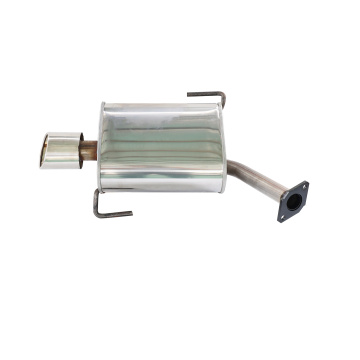


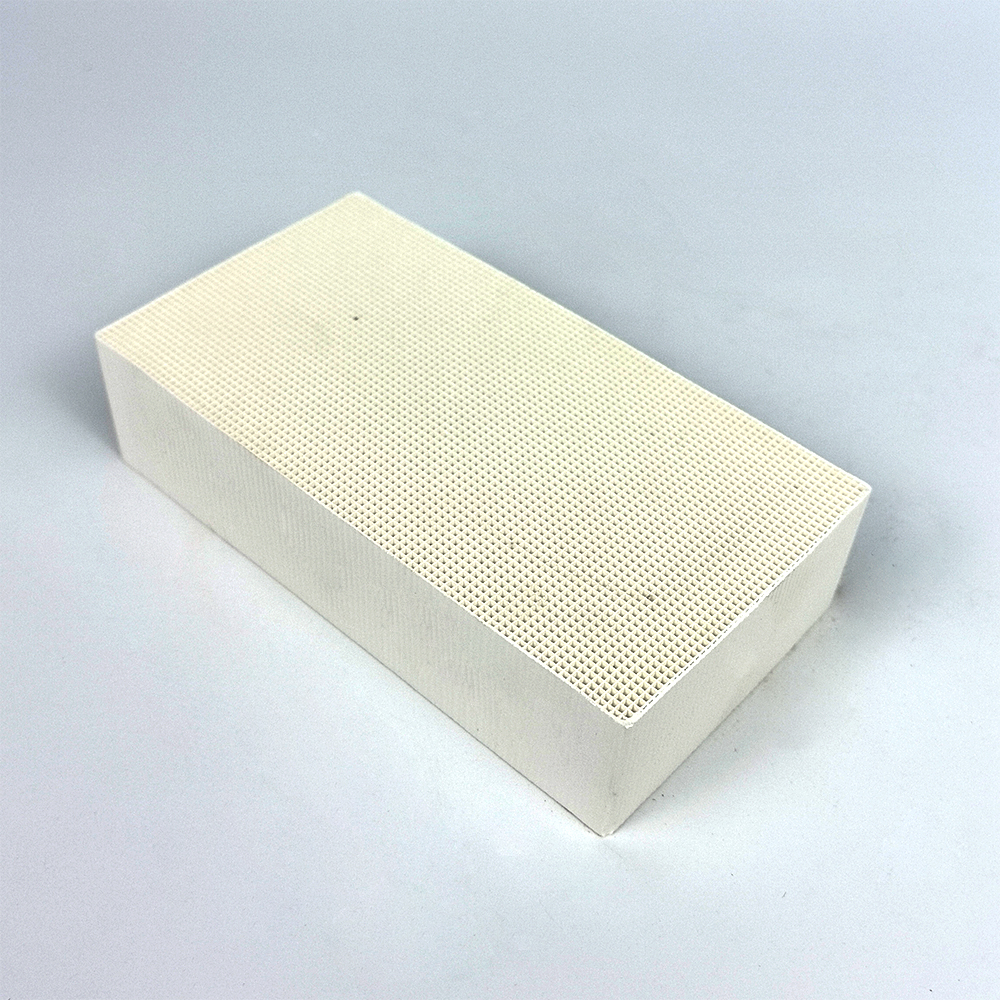
A ceramic monolith catalyst is an advanced emission control device designed to reduce harmful pollutants from internal combustion engines and industrial processes. Built on a honeycomb ceramic substrate, this component provides an exceptionally large surface area for catalytic reactions while minimizing exhaust backpressure.
The monolithic structure consists of thousands of parallel channels that guide exhaust gases through a washcoat containing precious metal catalysts such as platinum, palladium, and rhodium. As the exhaust flows through these channels, toxic gases like nitrogen oxides (NOx), carbon monoxide (CO), and hydrocarbons (HC) are converted into harmless water vapor and carbon dioxide.
For procurement buyers, choosing the right ceramic monolith catalyst means ensuring compliance with increasingly stringent emissions regulations while maintaining engine performance and fuel efficiency. The robust ceramic construction offers superior thermal stability compared to metallic alternatives, making it ideal for high-temperature applications in motorcycles, diesel generators, and industrial waste gas treatment systems.
Jiangyin Triblues Technology Co., LTD. operates a state-of-the-art manufacturing facility dedicated to producing high-performance ceramic catalysts and related emission control products. Our production capabilities span ceramic carriers, three-way catalytic converters, diesel particulate filters, and custom industrial waste gas treatment equipment.
We maintain strategic R&D partnerships with nine prestigious Chinese universities, including Zhejiang University, Xi'an Jiaotong University, East China University of Science and Technology, and South China University of Technology. This academic collaboration ensures our ceramic monolith catalyst designs incorporate cutting-edge materials science and engineering innovations.
Our quality management system supports close cooperation with major enterprises such as Shenyang Jinbei Automobile Co., Ltd., CSIC, and Haier Group. Every ceramic carrier undergoes rigorous testing for geometric accuracy, washcoat adherence, pressure drop characteristics, and thermal shock resistance before leaving our facility.

The cell density, measured in cells per square inch (CPSI), directly impacts catalyst efficiency and exhaust flow. Higher cell densities provide greater surface area for chemical reactions but may increase backpressure. For motorcycle engines and light-duty applications, we typically recommend lower CPSI values (200-400) to balance performance with emission reduction. Heavy-duty diesel applications benefit from higher densities (400-600 CPSI).
Ceramic monolith catalysts use silicon carbide or cordierite substrates. Cordierite offers excellent thermal shock resistance at a lower cost, making it suitable for most automotive applications. Silicon carbide provides superior thermal conductivity and mechanical strength for extreme conditions. Select based on your operating temperature range and durability requirements.
The washcoat contains the active catalytic metals and promoter materials. Platinum, palladium, and rhodium combinations determine which pollutants are targeted. Three-way catalysts handle gasoline engines by simultaneously reducing NOx, CO, and HC. Diesel applications require specialized formulations for particulate filtration and NOx reduction. Ensure the washcoat specification matches your fuel type and regulatory compliance needs.
Different applications demand specific geometries, dimensions, and catalytic formulations. Verify that your supplier can provide custom ceramic monolith catalyst designs tailored to your engine specifications, housing constraints, and emissions targets. Jiangyin Triblues Technology offers full customization services from substrate design through complete converter assembly.
Ceramic monolith catalyst technology serves diverse industries where emission control and air quality management are critical. Jiangyin Triblues Technology delivers certified solutions across multiple sectors, leveraging our university research partnerships and enterprise-grade manufacturing capabilities.
Compact three-way catalytic converters for motorcycles and scooters meet strict Euro and Bharat emission norms. Our lightweight ceramic carriers are engineered for rapid light-off temperatures and durable operation in vibration-prone environments.
Industrial and backup power generators require effective particulate filtration and NOx reduction. Our diesel particulate filter and ceramic catalyst combinations ensure compliance with off-road and stationary emission regulations.
Supplying OEM and aftermarket catalytic converters for passenger vehicles and commercial trucks. Close cooperation with manufacturers like Shenyang Jinbei Automobile ensures precise fitment and validated performance data.
Large-scale VOC abatement and hazardous air pollutant control for chemical plants, refineries, and manufacturing facilities. Custom-designed ceramic monolith catalysts handle high-volume, high-temperature exhaust streams.
Emission control components for residential heating systems and clean energy appliances. Our ceramic catalyst technology contributes to cleaner indoor and outdoor air quality for consumer products.
Complementary metal honeycomb catalyst options for applications requiring enhanced thermal conductivity and impact resistance. Ideal for rapid-cycling industrial processes and heavy-duty transportation.
Many buyers experience variable catalyst efficiency due to poor washcoat adhesion or inconsistent cell geometry from substandard manufacturers. This leads to failed emissions tests and costly rework.
Partner with manufacturers who implement statistical process control on every production stage. Jiangyin Triblues Technology uses precision extrusion, automated washcoat application, and comprehensive post-production testing to guarantee uniform catalyst performance across all batches.
Thermal shock from rapid temperature changes causes ceramic monoliths to crack, resulting in complete catalyst failure and expensive downtime. Low-quality cordierite substrates are particularly vulnerable.
Select suppliers using advanced cordierite formulations or silicon carbide substrates with proven thermal shock resistance. Our R&D collaborations with top universities ensure substrate designs optimized for your specific thermal cycling profile.
Long lead times and minimum order quantity requirements disrupt production schedules, especially for custom ceramic monolith catalyst configurations or prototype development.
Work with manufacturers offering flexible production lines capable of handling both small-batch prototyping and large-volume orders. Our facility supports customized orders with competitive MOQs and reliable delivery timelines backed by established enterprise client relationships.
Suppliers who cannot provide engineering support during catalyst selection and integration cause mismatches between product specifications and actual application requirements.
Choose partners with deep technical expertise and university research backing. Jiangyin Triblues Technology provides end-to-end consultation from substrate selection through complete system integration, ensuring optimal ceramic monolith catalyst performance for your unique application.
When evaluating potential suppliers for ceramic monolith catalysts, prioritize companies that demonstrate technical depth, manufacturing scale, and proven enterprise partnerships. Below are key evaluation criteria derived from industry best practices.
Suppliers collaborating with leading universities bring cutting-edge research directly to production. Look for partnerships with institutions like Zhejiang University, Xi'an Jiaotong University, and other research-intensive universities that advance catalyst materials science.
A supplier's existing client base reveals their capability level. Partnerships with major corporations like CSIC, Haier Group, and automotive manufacturers indicate the supplier can meet demanding quality, volume, and compliance requirements.
Multi-product suppliers offering ceramic carriers, three-way converters, diesel particulate filters, and custom industrial systems provide integrated solutions. This reduces sourcing complexity and ensures component compatibility across your emission control portfolio.
Beyond standard catalog items, look for suppliers providing full customization from substrate design through complete converter installation. This includes large-scale industrial waste gas treatment equipment and green appliance applications requiring tailored solutions.
A properly manufactured ceramic monolith catalyst for motorcycle engines typically lasts the entire service life of the vehicle, often exceeding 50,000 kilometers. Lifespan depends on operating temperature, fuel quality, and maintenance conditions. High-quality cordierite or silicon carbide substrates from reputable manufacturers like Jiangyin Triblues Technology resist thermal degradation and washcoat loss over extended use.
Higher cell density increases the available surface area for catalytic reactions, improving emission conversion efficiency. However, it also increases exhaust backpressure, which can reduce engine power and fuel economy. The optimal cell density balances these competing factors—typically 200-400 CPSI for motorcycles and 400-600 CPSI for diesel applications. Our engineering team helps select the ideal configuration for your specific engine parameters.
Yes. Manufacturers with strong R&D capabilities, such as those partnered with 985 universities, offer full customization services. This includes designing ceramic carriers with unique channel geometries, selecting specialized washcoat formulations for particular pollutants, and integrating catalysts into complete industrial waste gas treatment systems. Customization extends to dimension, shape, and mounting configurations for specialized equipment.
Ceramic substrates (cordierite or silicon carbide) offer superior thermal shock resistance and lower cost, making them the standard for most automotive and motorcycle applications. Metal honeycomb substrates provide thinner walls, higher cell densities, and better thermal conductivity but at a higher price point. Metal substrates excel in applications requiring rapid light-off and high mechanical durability. We offer both types to match your performance and budget requirements.
Prioritize suppliers with documented quality management systems and proven track records with enterprise clients. While specific certification labels vary by region, look for evidence of ISO-compliant manufacturing processes, incoming material inspection protocols, in-process quality control checkpoints, and final product testing laboratories. Suppliers cooperating with state-owned enterprises and major automotive manufacturers typically maintain the highest quality standards.
Total landed cost includes unit price, freight, insurance, customs duties, port handling fees, domestic transportation, and any applicable tariffs. When comparing suppliers, request FOB or CIF quotes and factor in lead time costs. Longer lead times increase inventory carrying costs and risk of production delays. Evaluate the complete cost picture rather than unit price alone—superior catalyst efficiency can reduce aftertreatment system costs and improve overall vehicle economics.
Primary failure modes include thermal cracking from overheating, washcoat spalling due to vibration, sulfur or phosphorus poisoning from fuel additives, and physical damage from foreign objects. Prevention strategies include proper engine tuning to avoid excessive exhaust temperatures, secure mounting to minimize vibration transfer, using compliant fuels, and installing upstream protective screens. Selecting catalysts from experienced manufacturers with rigorous quality control minimizes inherent defects.
Our company has been committed to the production, research and development of industrial waste gas treatment equipment,We have research and development cooperation with Zhejiang University, Xi 'an... Subscribe Our Newsletter
Related Products List

Privacy statement: Your privacy is very important to Us. Our company promises not to disclose your personal information to any external company with out your explicit permission.
Fill in more information so that we can get in touch with you faster
Privacy statement: Your privacy is very important to Us. Our company promises not to disclose your personal information to any external company with out your explicit permission.