
Email
 Jiangyin Triblues Technology Co., LTD.
Select Language
English


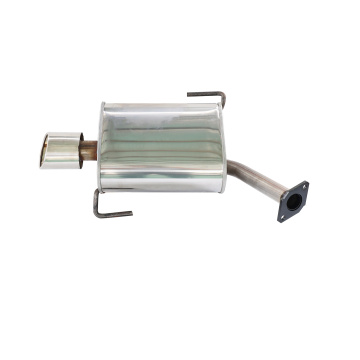


A honeycomb catalyst support serves as the structural backbone for industrial emission control systems. Crafted from cordierite or silicon carbide, these ceramic substrates feature thousands of parallel channels that maximize surface area for washcoat application.
For procurement teams, choosing the right honeycomb catalyst support directly impacts catalytic efficiency and pressure drop. Our advanced manufacturing processes ensure uniform channel geometry and mechanical strength, enabling reliable performance in demanding automotive and industrial waste gas treatment applications.
Jiangyin Triblues Technology Co., LTD. specializes in producing high-performance ceramic carriers that meet rigorous international standards, supporting your supply chain with consistent quality and scalable production capacity.
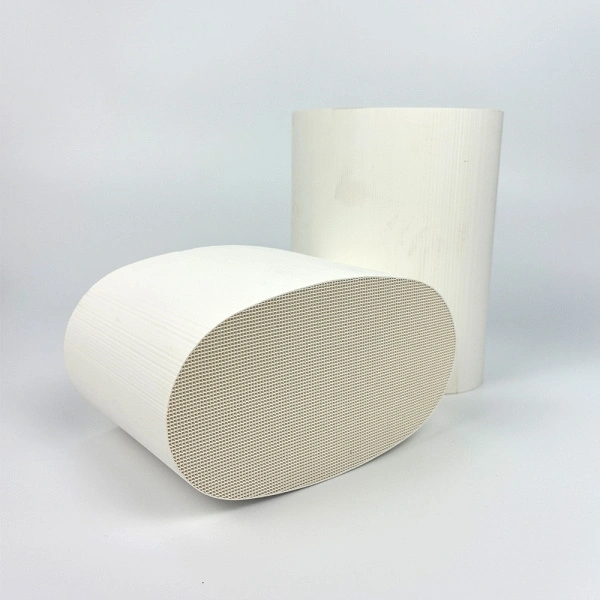
Our state-of-art production facilities utilize automated extrusion and precise drying techniques to produce ceramic catalyst supports with exceptional dimensional accuracy. Each batch undergoes rigorous inspection to ensure compliance with customer specifications.
As a trusted manufacturer of ceramic catalyst supports, we integrate quality control at every stage—from raw material selection to final packaging. Our R&D collaboration with leading universities ensures continuous innovation in substrate design and washcoat compatibility.
High-volume extrusion capabilities ensure consistent channel density and wall thickness, reducing variability across large orders.
Every substrate undergoes pressure drop, crush strength, and dimensional checks to guarantee performance reliability.
Selecting the optimal catalyst carrier for industrial applications requires balancing thermal stability, mechanical strength, and catalytic activity. Key factors include cell density (measured in cells per square inch), substrate material, and washcoat adhesion properties.
Higher cell densities provide greater surface area for catalytic reactions but may increase backpressure. We guide buyers through this trade-off analysis to identify the ideal substrate configuration for their specific emission control requirements.
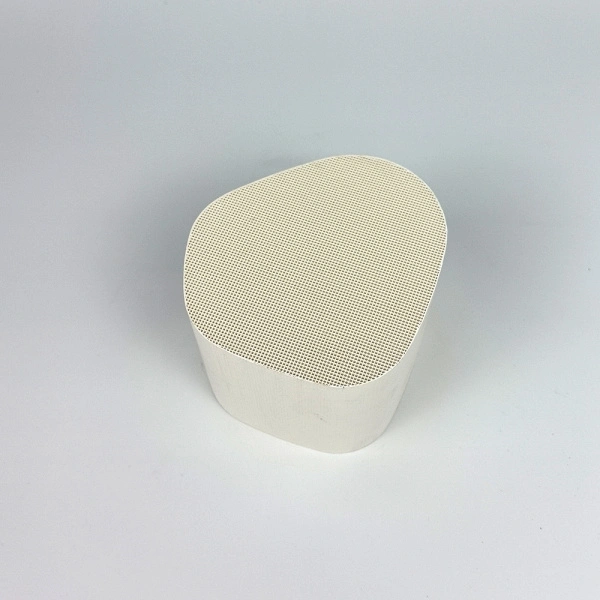
Use this checklist to evaluate potential suppliers of honeycomb catalyst supports and mitigate procurement risks.
Procurement challenges often arise from technical mismatches or supplier capability gaps. Understanding these common pitfalls helps you avoid costly delays and quality issues.
Variations in cell density can significantly impact catalytic efficiency. Reputable manufacturers implement strict process controls to maintain uniformity within ±5% tolerance.
Insufficient surface preparation or improper coating procedures can cause washcoat detachment during thermal cycling. Partner with suppliers who offer integrated coating services or proven substrate compatibility.
Limited extrusion capacity or lengthy curing cycles can disrupt supply chains. Verify supplier capacity utilization and backup production plans before placing large orders.
Substrates that don't match housing specifications can compromise sealing and performance. Request pre-production samples for fit verification before committing to full-scale production.
Our ceramic catalyst carriers serve diverse sectors requiring effective emission control solutions. From automotive exhaust systems to heavy-duty industrial plants, these substrates play a critical role in environmental compliance.
Light-duty and heavy-duty vehicles rely on our catalyst supports for three-way conversion and diesel particulate filtration, meeting stringent Euro and EPA standards.
Manufacturing facilities use our substrates in VOC abatement systems and thermal oxidizers to reduce harmful emissions from chemical and petrochemical processes.
Diesel generator sets and stationary engines benefit from our durable catalyst supports, ensuring clean operation while maintaining power output efficiency.
Shipboard engines require robust emission control solutions. Our corrosion-resistant substrates withstand harsh marine environments while delivering reliable performance.
Tractors and harvesters equipped with our catalyst supports comply with Stage V emission regulations, reducing particulate matter and nitrogen oxide outputs.
Innovative applications extend to residential heating systems and small-scale combustion devices, where our substrates help achieve cleaner indoor air quality.
Choosing the right supplier for honeycomb catalyst support components can streamline your procurement workflow and enhance product quality. Here's why global buyers partner with us:
We maintain research partnerships with nine prestigious Chinese universities, including Zhejiang University and Xi'an Jiaotong University, ensuring access to cutting-edge technology and innovative substrate designs.
Our business relationships with major state-owned enterprises like Shenyang Jinbei Automobile and Haier Group demonstrate our ability to deliver at scale with uncompromising quality standards.
Beyond standard ceramic carriers, we offer customized solutions including diesel particulate filters, metal honeycomb catalysts, and complete industrial waste gas treatment equipment installations.
From initial consultation and custom design to production, testing, and delivery, we provide a seamless procurement experience that reduces vendor management complexity.
Get answers to common questions about honeycomb catalyst support sourcing, specifications, and applications.
The most common materials are cordierite (2MgO·2Al₂O₅·5SiO₂) and silicon carbide (SiC). Cordierite offers excellent thermal shock resistance and low cost, while SiC provides superior thermal conductivity and mechanical strength for high-temperature applications.
Under normal operating conditions, a well-manufactured ceramic catalyst support can last the entire service life of the vehicle or equipment. However, exposure to extreme thermal cycling, mechanical impact, or chemical contamination can shorten its useful life.
Yes, we offer extensive customization options including outer shape (round, oval, rectangular), length, diameter, and cell density. Our engineering team works closely with buyers to optimize substrate geometry for specific housing designs and performance requirements.
MOQ varies based on substrate specifications and customization level. Standard products typically have lower MOQ thresholds, while fully custom designs may require larger initial orders to amortize setup costs. Contact our sales team for specific pricing based on your volume requirements.
While our primary focus is substrate manufacturing, we can coordinate with trusted washcoat partners to provide integrated solutions. This turnkey approach simplifies procurement by consolidating multiple supply chain steps into a single transaction.
Our company has been committed to the production, research and development of industrial waste gas treatment equipment,We have research and development cooperation with Zhejiang University, Xi 'an... Subscribe Our Newsletter
Related Products List

Privacy statement: Your privacy is very important to Us. Our company promises not to disclose your personal information to any external company with out your explicit permission.
Fill in more information so that we can get in touch with you faster
Privacy statement: Your privacy is very important to Us. Our company promises not to disclose your personal information to any external company with out your explicit permission.