
Email
 Jiangyin Triblues Technology Co., LTD.
Select Language
English


A DPF catalyst is an advanced emission control device designed to capture and oxidize soot particles from diesel engine exhaust. By converting harmful particulate matter into harmless carbon dioxide and water, it ensures compliance with strict environmental regulations such as Euro 6 and EPA Tier 4.
Our company has been committed to the production and research of industrial waste gas treatment equipment. We leverage our expertise in ceramic carriers and three-way catalytic converters to deliver high-efficiency DPF solutions for motorcycles, generators, and heavy-duty vehicles.
The core technology relies on a ceramic monolith substrate coated with precious metal washcoats (typically Platinum group metals). This structure provides a massive surface area for chemical reactions, maximizing soot oxidation efficiency while minimizing backpressure that could affect engine performance.
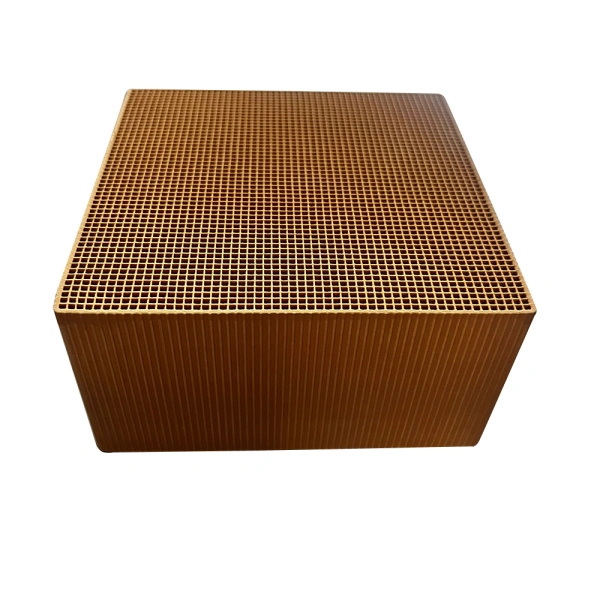
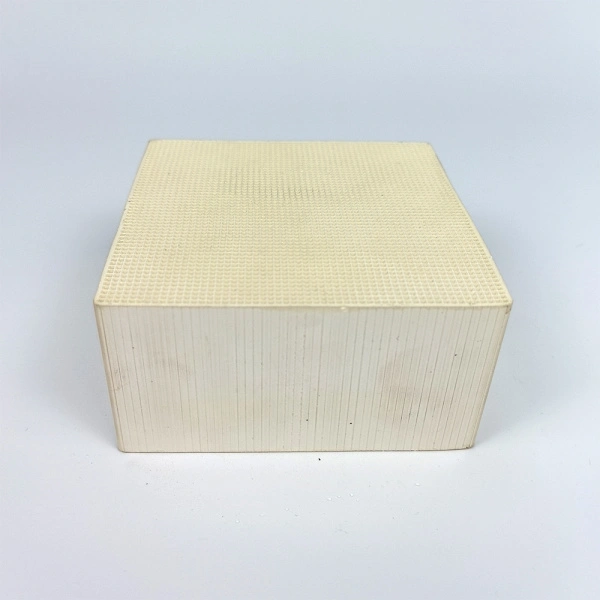
At Jiangyin Triblues Technology Co., LTD., quality is embedded in every stage of the DPF catalyst manufacturing process. Our state-of-the-art facilities ensure consistent cell density, wall thickness, and washcoat distribution across all batches.
R&D Collaboration: We maintain research and development cooperation with prestigious institutions including Zhejiang University, Xi'an Jiaotong University, East China University of Science and Technology, and South China University of Technology. This academic partnership drives continuous innovation in catalyst formulation and substrate design.
Industrial Partnerships: Our products are trusted by major enterprises such as Shenyang Jinbei Automobile Co., LTD., CSIC, and Haier Group. These collaborations validate our ability to meet rigorous OEM specifications for durability, thermal stability, and emission reduction performance.
Product Range: Beyond standard DPF units, we manufacture ceramic carriers, three-way catalyst converters, metal honeycomb catalysts, and customized large-scale industrial waste gas treatment equipment, ensuring comprehensive coverage of your emission control needs.
Different diesel engines produce varying soot loads and exhaust temperatures. For motorcycle engines and small generators, a compact catalytic converter for diesel engines with optimized light-off temperature is essential. Ensure the catalyst is matched to your specific fuel sulfur content and engine displacement.
Ceramic substrates (Silicon Carbide or Cordierite) offer superior thermal stability and cost-effectiveness for most applications. Metal substrates provide higher mechanical strength and faster light-off times. Select based on your operating temperature range and vibration requirements.
Higher cell densities (e.g., 600 vs. 400 cpsi) increase filtration efficiency but also raise exhaust backpressure. Work with our engineering team to balance filtration performance with engine power output, especially for high-performance motorcycle applications.
Verify that the DPF catalyst supplier can provide documentation proving compliance with target market regulations (Euro standards, EPA, China VI). Our products are designed to meet the most stringent international emission norms.
Assess the catalyst's ability to withstand passive and active regeneration cycles without structural degradation. Our ceramic carriers are engineered for long-term thermal stability, reducing the frequency of maintenance and replacement.
For specialized applications, choose a manufacturer offering custom DPF catalyst solutions. We provide tailored designs for unique engine configurations, including integration with exhaust systems and after-treatment architectures.
Use this comprehensive checklist to evaluate potential suppliers and ensure you select the best DPF catalyst manufacturer for your business needs. Each criterion addresses critical aspects of quality, reliability, and value.
Does the supplier collaborate with recognized universities or research institutes? Partnerships with institutions like Zhejiang University demonstrate commitment to innovation and technical excellence in catalyst technology.
Verify if the supplier serves major OEMs or state-owned enterprises (e.g., Shenyang Jinbei, Haier Group). Established B2B relationships indicate reliable quality standards and consistent production capacity.
Can the supplier provide integrated solutions including ceramic carriers, three-way catalysts, and DPF units? A comprehensive product range simplifies procurement and ensures compatibility across your fleet.
Does the manufacturer offer custom design services for unique applications? Look for suppliers who can adapt catalyst formulations and substrate geometries to your specific engine requirements.
Request detailed test reports, certification documents, and performance data. Transparent suppliers provide comprehensive documentation supporting emission reduction claims and durability testing results.
Evaluate the supplier's willingness to provide installation guidance, troubleshooting assistance, and warranty support. Strong post-purchase service reduces operational risks and downtime.
Procuring diesel particulate filter catalysts involves several common challenges. Understanding these issues upfront helps you avoid costly mistakes and build stronger supplier relationships.
Problem: Uneven application of precious metal washcoats leads to variable filtration efficiency and premature failure.
Solution: Partner with manufacturers using automated coating systems and rigorous quality control protocols. Jiangyin Triblues employs precision coating techniques validated through university partnerships to ensure uniform catalyst distribution.
Problem: High-temperature regeneration cycles can damage the ceramic substrate, causing cracking or melting.
Solution: Specify ceramic carriers with proven thermal shock resistance. Our silicon carbide and cordierite substrates undergo extensive thermal cycling tests to guarantee structural integrity under extreme conditions.
Problem: Overly dense filters restrict exhaust flow, reducing engine power and fuel efficiency.
Solution: Optimize cell density and pore size distribution during the design phase. Our engineering team works closely with clients to balance filtration efficiency with minimal pressure drop for optimal engine performance.
Problem: Reliance on single-source suppliers for precious metals or raw materials creates vulnerability.
Solution: Diversify your supplier base and work with manufacturers who maintain strategic inventory reserves. Our established partnerships with major enterprises ensure stable supply chains and consistent production capabilities.
Our DPF catalyst technologies serve diverse industries requiring effective emission control solutions. From compact motorcycle engines to large-scale industrial equipment, we deliver tailored after-treatment systems.
Compact, high-efficiency DPF units designed for two-wheelers and light commercial vehicles. Our solutions meet increasingly stringent urban emission standards while maintaining lightweight and space-efficient form factors.
Robust catalyst systems for standby and prime power generators. Engineered for continuous operation and extended service intervals, reducing maintenance costs for data centers, hospitals, and industrial facilities.
High-capacity DPF catalysts for trucks, buses, and construction equipment. Designed to handle high soot loads and harsh operating environments while complying with EPA Tier 4 and China VI regulations.
Customized large-scale emission control systems for manufacturing plants and processing facilities. Our expertise extends beyond automotive applications to comprehensive industrial air pollution control solutions.
Innovative catalyst applications for eco-friendly household products. We explore emerging opportunities in clean energy appliances, aligning with global sustainability trends and consumer demand for greener living solutions.
Specialized DPF catalysts for marine diesel engines and stationary industrial motors. Built to withstand corrosive saltwater environments and continuous duty cycles while delivering reliable emission reduction performance.
When selecting a DPF catalyst supplier, consider these key advantages that set Jiangyin Triblues Technology apart from competitors in the emission control industry.
Our collaboration with nine prestigious 985 universities—including Zhejiang University and Xi'an Jiaotong University—provides access to cutting-edge catalyst research and development. This academic foundation ensures our products incorporate the latest scientific advancements in emission control technology.
Trusted by industry leaders including Shenyang Jinbei Automobile, CSIC, and Haier Group. Our track record with state-owned enterprises demonstrates our ability to meet the highest standards of quality, reliability, and delivery performance required by major OEMs.
From ceramic carriers and three-way catalysts to complete DPF assemblies and industrial waste gas treatment systems, we offer end-to-end solutions. This integrated approach simplifies your procurement process and ensures component compatibility across your entire fleet.
We don't just sell off-the-shelf products—we engineer solutions. Our team provides customized DPF catalyst designs tailored to your specific engine parameters, regulatory requirements, and performance objectives, ensuring optimal emission control for your unique application.
Get answers to the most common questions buyers ask when sourcing diesel particulate filter catalysts for their operations.
A properly maintained DPF catalyst can last the lifetime of the engine under normal operating conditions, typically exceeding 100,000 kilometers for motorcycles and up to 500,000 kilometers for heavy-duty vehicles. Longevity depends on fuel quality, maintenance schedules, and operating temperatures. Our ceramic carriers are engineered for maximum durability and thermal stability.
While some ash accumulation can be managed through regeneration cycles, severely loaded or damaged DPF units typically require replacement. Professional cleaning services exist but may not restore full efficiency. We recommend proactive monitoring and timely replacement to avoid engine performance issues and regulatory non-compliance.
Prioritize suppliers with ISO 9001 quality management certification and product compliance with regional emission standards (Euro 6, EPA Tier 4, China VI). Our partnerships with major universities and enterprises serve as additional validation of our technical capabilities and quality standards. Request test reports and performance data to verify claims.
Higher cell density (e.g., 600 cpsi vs. 400 cpsi) increases filtration efficiency by providing more surface area for soot capture. However, it also increases exhaust backpressure, which can reduce engine power and fuel economy. The optimal cell density depends on your specific engine type and application requirements. Our engineering team can help determine the ideal specification.
Ceramic substrates (Silicon Carbide or Cordierite) offer excellent thermal stability and lower cost, making them ideal for most applications. Metal substrates provide superior mechanical strength, faster light-off times, and thinner walls for reduced backpressure, but at a higher price point. Selection depends on your priority between cost, weight, and performance characteristics.
Yes, we provide comprehensive customization services including substrate geometry optimization, washcoat formulation adjustment, and housing integration. Our R&D team collaborates directly with clients to develop tailored solutions for unique engine configurations, special regulatory requirements, or innovative applications beyond standard automotive use.
Minimum order quantities vary based on product specifications and customization level. For standard catalog items, we accommodate smaller trial orders. For custom-engineered solutions, larger volumes are typically recommended to amortize tooling and development costs. Contact our sales team for specific MOQ information based on your requirements.
Proper installation is critical for optimal performance. We provide detailed installation manuals, technical support documentation, and can arrange on-site guidance for complex installations. Key considerations include correct orientation, sealing integrity, exhaust pipe alignment, and sensor placement. Always follow manufacturer guidelines and consult with qualified technicians.
Our company has been committed to the production, research and development of industrial waste gas treatment equipment,We have research and development cooperation with Zhejiang University, Xi 'an... Subscribe Our Newsletter
Related Products List

Privacy statement: Your privacy is very important to Us. Our company promises not to disclose your personal information to any external company with out your explicit permission.
Fill in more information so that we can get in touch with you faster
Privacy statement: Your privacy is very important to Us. Our company promises not to disclose your personal information to any external company with out your explicit permission.