
Email
 Jiangyin Triblues Technology Co., LTD.
Select Language
English


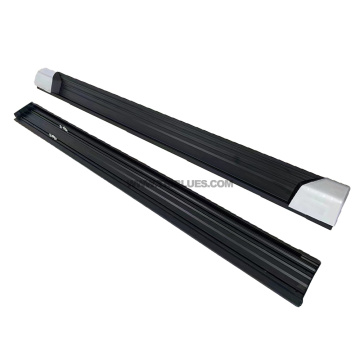
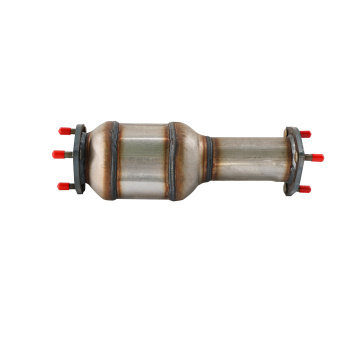

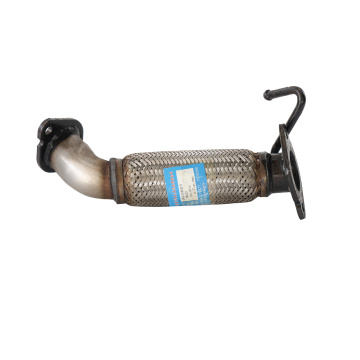
A Hyundai catalytic converter is an essential emission control device designed to reduce toxic gases produced by the engine into less harmful pollutants before they are released into the atmosphere. Acting as a critical component of your vehicle's exhaust system, it utilizes precious metals like platinum, palladium, and rhodium to facilitate chemical reactions that convert carbon monoxide, nitrogen oxides, and hydrocarbons into safer substances.
For Hyundai owners, maintaining the integrity of this component is vital for passing strict environmental emissions tests and ensuring optimal engine performance. Over time, these converters can become clogged or damaged, leading to decreased fuel efficiency and increased pollution levels. Our company specializes in high-quality replacement units that meet original equipment manufacturer (OEM) standards, providing a reliable solution for restoring your vehicle's compliance with environmental regulations.
By choosing our premium Hyundai catalytic converters, you ensure that your vehicle operates cleanly and efficiently, reducing your environmental footprint while protecting your engine's health.


Our manufacturing process leverages state-of-the-art technology to produce Hyundai catalytic converters that exceed industry standards. We utilize precision-engineered ceramic carriers coated with high-density precious metals, ensuring maximum surface area for effective chemical conversion. This advanced production method guarantees consistent performance across all units, regardless of the specific Hyundai model.
Every batch of converters undergoes comprehensive testing to verify durability, thermal resistance, and emission reduction capabilities. Our quality control measures include rigorous leak testing, flow analysis, and real-world simulation to ensure each unit performs flawlessly under various driving conditions. This commitment to quality means fewer warranty claims and greater customer satisfaction.
Backed by research cooperation with prestigious institutions like Zhejiang University and Xi'an Jiaotong University, our continuous innovation drives improvements in catalyst efficiency and longevity. This scientific approach allows us to develop solutions that address common failure points in standard converters, offering Hyundai owners a superior product that lasts longer and performs better.
Selecting the correct Hyundai catalytic converter requires careful consideration of several factors to ensure compatibility and optimal performance. The first step is identifying your exact vehicle model and engine specifications, as different Hyundai vehicles utilize distinct converter designs based on their powertrain requirements. Matching the part number precisely prevents installation issues and ensures proper fitment.
Not all converters are created equal. High-quality units use genuine ceramic substrates with precise precious metal coatings, while cheaper alternatives may use inferior materials that degrade quickly. Look for converters that offer certified emission standards compliance and durable construction to withstand extreme exhaust temperatures. Investing in quality upfront saves money on premature replacements.
Ensure the converter matches your vehicle's mounting points, flange types, and oxygen sensor locations. Our catalog provides detailed compatibility information for all Hyundai models, simplifying the selection process. Proper fitment guarantees a seamless installation without modifications, saving time and labor costs during the replacement process.
Confirm the converter matches your Hyundai model year and engine size for perfect fitment.
Check mounting flanges and sensor positions to avoid installation headaches.
Ensure the substrate is genuine ceramic with appropriate precious metal coating.
Look for certifications that verify emission standards compliance and durability.
Choose a supplier with proven expertise in automotive emission control systems.
Verify warranty terms and after-sales support to protect your investment.
Over time, debris and unburned fuel can accumulate inside the converter, restricting exhaust flow. This leads to noticeable loss of engine power, reduced acceleration, and decreased fuel economy. If you experience sluggish performance, a clogged converter may be the culprit requiring immediate attention.
Road hazards, accidents, or improper handling during previous repairs can cause physical damage to the converter housing. Cracks or broken mounts lead to exhaust leaks, producing loud rumbling noises and potentially allowing toxic gases to enter the cabin. Regular inspections can catch these issues early.
Engine misfires or rich fuel mixtures can cause excessive heat buildup, melting the internal substrate. This permanent damage destroys the converter's ability to reduce emissions effectively. Addressing underlying engine problems promptly prevents costly converter failures and extends the life of your emission control system.
When sourcing Hyundai catalytic converters, partnering with a reputable supplier like Jiangyin Triblues Technology Co., LTD. offers significant advantages. With extensive experience in industrial waste gas treatment and automotive emission controls, we provide products that combine cutting-edge technology with competitive pricing. Our direct manufacturing capabilities ensure consistent quality and reliable supply chains for global buyers.
Customization Options: Tailored solutions for specific Hyundai models and regional emission standards.
Technical Support: Expert guidance on selection, installation, and troubleshooting for hassle-free procurement.
Competitive Pricing: Direct factory pricing eliminates middlemen, offering exceptional value for bulk orders.
Unlike oil changes, catalytic converters do not have a fixed replacement schedule. However, if you notice symptoms like reduced engine power, failed emissions tests, or check engine lights, it may be time for inspection. With proper maintenance, a quality converter can last the lifetime of your vehicle, typically over 10 years or 100,000 miles.
While some minor surface contamination can be addressed with specialized cleaning services, severely clogged or damaged converters cannot be effectively restored. Cleaning may provide temporary relief, but if the internal substrate is compromised, replacement is the only reliable solution to ensure your vehicle meets emission standards and performs optimally.
High-quality aftermarket converters, like those from Jiangyin Triblues Technology, often match or exceed OEM specifications in both performance and durability. They offer significant cost savings while maintaining strict adherence to emission regulations. The key is choosing a reputable supplier that uses premium materials and rigorous testing protocols.
Common causes include engine misfires, oil burning due to worn piston rings, coolant leakage into the combustion chamber, and physical damage from road debris. Regular engine maintenance and addressing warning signs promptly are the best ways to extend the lifespan of your converter and avoid unexpected failures.
Yes, replacing a clogged or failing converter can restore lost fuel efficiency. When the exhaust system flows freely, the engine doesn't have to work as hard, leading to improved mileage and smoother operation. Many Hyundai owners report noticeable improvements in both performance and gas consumption after upgrading to a high-quality replacement unit.
Our company has been committed to the production, research and development of industrial waste gas treatment equipment,We have research and development cooperation with Zhejiang University, Xi 'an... Subscribe Our Newsletter
Related Products List

Privacy statement: Your privacy is very important to Us. Our company promises not to disclose your personal information to any external company with out your explicit permission.
Fill in more information so that we can get in touch with you faster
Privacy statement: Your privacy is very important to Us. Our company promises not to disclose your personal information to any external company with out your explicit permission.