
Email
 Jiangyin Triblues Technology Co., LTD.
Select Language
English


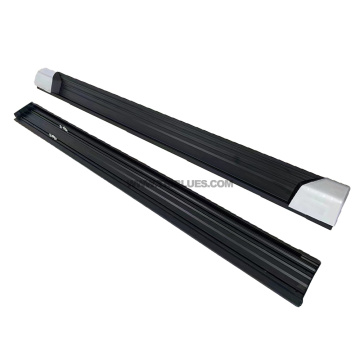

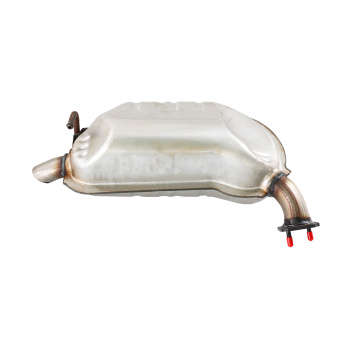
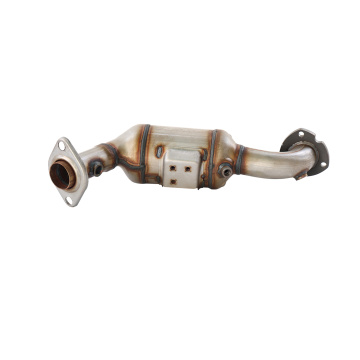


A foot pedal for Hyundai vehicles is a critical driver interface component that controls acceleration, braking, or clutch functions in your fleet or personal vehicle. Whether you operate Hyundai commercial vans, SUVs, or passenger cars, the foot pedal assembly directly impacts vehicle performance, safety compliance, and driver comfort during daily operations.
Key Insight: The correct foot pedal specification ensures precise throttle response and brake modulation, reducing wear on drivetrain components and improving fuel efficiency across your Hyundai fleet operations.
Hyundai's engineering standards demand precision-molded components that meet strict OEM tolerances. When sourcing replacement foot pedals, buyers must verify material composition, mounting geometry, and actuation force specifications to ensure seamless integration with existing vehicle systems. Our supply chain delivers certified replacements that match original equipment manufacturer (OEM) specifications at competitive pricing.
For procurement managers managing large-scale Hyundai fleet maintenance programs, understanding foot pedal compatibility across different Hyundai models is essential. The market offers various aftermarket options, but only components built to Hyundai-specific engineering standards will deliver the reliability and longevity required for commercial applications.
Our manufacturing process for Hyundai foot pedal assemblies follows rigorous quality protocols aligned with international automotive standards. Every component undergoes multi-stage inspection procedures to guarantee dimensional accuracy, material integrity, and functional reliability throughout the product lifecycle.
Foot pedals are manufactured using high-grade steel alloys and engineered polymer compounds selected specifically for their resistance to fatigue, corrosion, and environmental degradation. Material certifications accompany every batch, providing full traceability from raw material source to finished component delivery.
Computer-controlled stamping and forming processes ensure consistent pedal geometry within ±0.05mm tolerances. This precision guarantees proper fitment without modification, eliminating costly rework delays and ensuring immediate installation readiness for your maintenance teams.
Each production batch undergoes cyclic load testing exceeding 100,000 actuations, salt spray corrosion testing for 500+ hours, and temperature cycling between -40°C and +85°C. These tests validate long-term durability under real-world operating conditions encountered by Hyundai fleet operators worldwide.
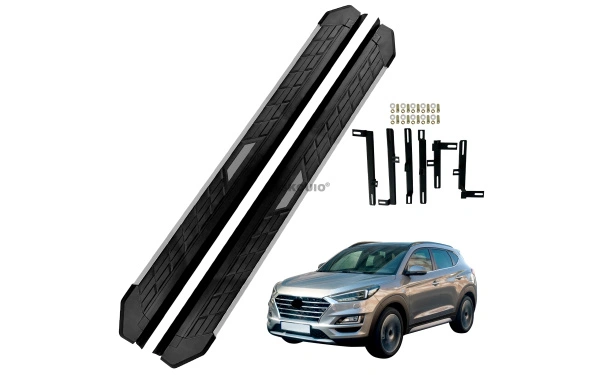
Selecting the appropriate replacement foot pedal for Hyundai vehicles requires careful evaluation of several technical and commercial factors. Buyers who understand these criteria can avoid costly mismatches, reduce warranty claims, and optimize total cost of ownership across their vehicle fleet.
Hyundai produces multiple vehicle categories including commercial vans, light trucks, passenger sedans, and SUVs. Each category uses distinct pedal assemblies with unique mounting configurations, actuator types, and ergonomic specifications. Always cross-reference your vehicle's VIN or model code with supplier compatibility databases before placing orders.
While OEM parts guarantee perfect fitment, certified aftermarket alternatives often provide equivalent performance at significantly lower unit costs. Evaluate suppliers based on their quality certifications, material specifications, and warranty terms rather than price alone. The lowest upfront cost frequently results in higher total expenses due to premature failures and installation complications.
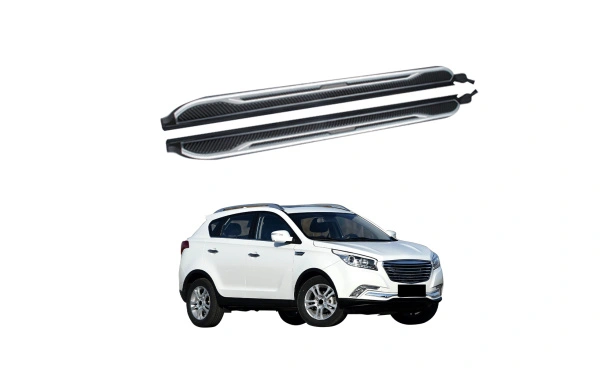
Streamline your Hyundai foot pedal purchasing process with this comprehensive checklist designed for procurement professionals. Following each step systematically reduces risk, ensures specification compliance, and protects your organization from unexpected costs associated with incorrect or substandard components.
Confirm exact Hyundai model year, trim level, and engine configuration for accurate part matching
Verify whether your vehicle uses mechanical linkage or electronic throttle body systems
Document current pedal condition including wear patterns, spring tension issues, and mounting damage
Request and review all relevant quality certifications and material compliance documentation
Compare warranty terms, return policies, and technical support availability across shortlisted vendors
Validate supplier's track record with Hyundai-specific components through customer references
Negotiate volume pricing tiers and establish framework agreements for recurring purchase requirements
Specify packaging requirements to prevent transit damage, especially for painted or coated surfaces
Establish clear delivery schedules aligned with your maintenance window planning and inventory turnover targets
Perform incoming quality inspection checking dimensions, surface finish, and hardware completeness
Install one pilot unit on a test vehicle before committing to full fleet rollout deployment
Monitor installed pedal performance over 30-day period tracking any anomalies or early failure indicators
Hyundai foot pedal assemblies serve diverse commercial and industrial applications where reliable vehicle operation is non-negotiable. Understanding how these components function across different sectors helps procurement teams identify the right specifications for their specific operational environment and usage intensity.
Hyundai commercial vans and light trucks used in logistics, delivery services, and last-mile transportation require heavy-duty foot pedals capable of withstanding thousands of daily actuations. High-cycle durability specifications are essential for minimizing downtime and maximizing vehicle utilization rates across active service fleets.
Hyundai buses and shuttle vehicles operating in municipal transit networks demand foot pedals engineered for extreme duty cycles and passenger safety standards. Anti-slip surface treatments, reinforced pivot points, and enhanced spring mechanisms ensure consistent performance under maximum passenger load conditions and frequent stop-start operations.
Hyundai-powered industrial machinery and specialized equipment platforms utilize custom foot pedal configurations for precise speed control and emergency shutdown functionality. These applications often require explosion-proof materials, chemical-resistant coatings, and modified ergonomics tailored to specific operator workflow requirements.
Hyundai agricultural tractors and farm equipment employ ruggedized foot pedal assemblies designed to resist mud, moisture, and organic debris accumulation. Sealed bearing systems and self-cleaning surface geometries maintain operational reliability throughout demanding field seasons with minimal maintenance intervention.
Hyundai-based ambulance and emergency response platforms require foot pedals with rapid-response characteristics and fail-safe design features. Precision-modulated brake pedals enable smooth vehicle stopping in critical situations, while accelerator pedals feature anti-stick mechanisms that prevent unintended acceleration during high-stress operations.
Hyundai passenger car dealerships and independent repair facilities stock foot pedal replacements for routine maintenance and collision repair workflows. Accurate fitment data, comprehensive installation instructions, and competitive pricing enable efficient turnaround times that keep customer vehicles off lots and back on roads.
Fleet managers and individual Hyundai owners frequently encounter predictable foot pedal issues that, when addressed proactively, can prevent costly breakdowns and safety incidents. Recognizing early warning signs and implementing targeted solutions extends component lifespan and maintains optimal vehicle performance standards.
Pedals that feel stiff or show delayed response typically indicate worn pivot bushings, degraded return springs, or cable friction buildup in mechanical throttle systems. Electronic throttle bodies may develop carbon deposits on butterfly valves causing sluggish operation.
Replacement Strategy: Install new pedal assemblies with upgraded Teflon-coated pivot points and high-tension return springs. For electronic systems, perform throttle body cleaning and ECU adaptation procedures. Preventive replacement every 60,000-80,000 km eliminates surprise failures in commercial applications.
Long brake pedal travel combined with a soft pedal feel usually signals air intrusion into hydraulic lines, worn master cylinder seals, or deteriorated rubber hoses allowing internal expansion under pressure. In some cases, contaminated brake fluid causes seal swelling and partial blockage.
Comprehensive Approach: Replace the entire pedal assembly if the main cylinder bore shows scoring or wear. Bleed the complete hydraulic system using fresh DOT4 fluid meeting Hyundai specifications. Inspect all flexible hoses for bulging or cracking and replace as a set to ensure uniform response characteristics.
Clutch pedals that fail to fully release or exhibit grinding during gear shifts point to worn throw-out bearings, collapsed hydraulic master cylinders, or stretched linkage cables preventing complete clutch plate separation. Extended operation causes irreversible transmission gear damage.
Complete System Replacement: Replace clutch pedal assembly, throw-out bearing, and master/slave cylinder pair simultaneously. Adjust free-play to manufacturer specifications (typically 15-20mm). Use genuine Hyundai-specification clutch discs and pressure plates to ensure proper engagement characteristics and service life.
Exposure to road salts, deicing chemicals, and moisture accelerates corrosion of pedal mounting bolts, brackets, and floor pan attachment points. Severe corrosion compromises structural integrity, creating dangerous play in pedal movement and potential detachment during operation.
Proactive Maintenance: Apply anti-corrosion coating to all exposed metal surfaces during pedal replacement. Use zinc-plated or stainless steel fasteners rated for automotive underbody exposure. Schedule quarterly visual inspections of pedal mounting areas during routine vehicle servicing intervals.
Selecting the right Hyundai foot pedal supplier determines your total cost of ownership, warranty protection, and operational continuity. The following supplier profiles represent proven partners who consistently deliver quality components, competitive pricing, and responsive service to B2B buyers managing Hyundai vehicle fleets globally.
Specializes in automotive emission control and related components with extensive R&D partnerships with leading Chinese universities. Offers comprehensive catalog coverage for Hyundai commercial vehicle foot pedal assemblies with full OEM-equivalent specifications and material traceability documentation.
Key Advantages: University-backed R&D capabilities, state-owned enterprise cooperation experience, customized solution development for complex fleet requirements, and integrated waste gas treatment expertise that informs material science decisions across all product lines.
Official Hyundai dealer networks and authorized parts distributors provide genuine OEM foot pedal assemblies with complete vehicle history verification and factory warranty coverage. Ideal for warranty-period vehicles and fleet contracts requiring documented OEM compliance for insurance and regulatory purposes.
Key Advantages: Guaranteed OEM fitment and performance, direct manufacturer warranty support, access to latest engineering updates and service bulletins, and integrated diagnostic tool compatibility for electronic throttle body calibration procedures.
Independent manufacturers holding ISO 9001 and IATF 16949 certifications produce foot pedal assemblies that meet or exceed Hyundai specifications at competitive price points. These suppliers invest heavily in material testing and cycle validation to ensure aftermarket components deliver comparable service life to OEM equivalents.
Key Advantages: Significant cost savings on high-volume fleet replacements, flexible minimum order quantities, private label branding opportunities, and dedicated account management for strategic buyer relationships with priority production scheduling.
Geographically proximate suppliers offering reduced shipping times, localized technical support, and regional warehousing capabilities for just-in-time inventory management. These specialists often maintain deep knowledge of local Hyundai fleet compositions and common failure patterns specific to regional operating conditions.
Key Advantages: Expedited delivery for urgent maintenance needs, on-site technical consultation availability, regional compliance documentation handling, and consolidated shipping discounts when bundled with other Hyundai component purchases.
These answers address the most common questions from Hyundai foot pedal buyers, covering compatibility, quality assurance, ordering logistics, and installation considerations. Use this information to streamline your procurement decision-making and communicate effectively with technical teams and suppliers.
Always cross-reference your vehicle's VIN number with the supplier's compatibility database. Provide the exact model year, trim level, engine displacement, and transmission type. Different Hyundai variants use distinct pedal geometries even within the same model family. Request physical sample approval before committing to bulk orders for new model introductions.
Look for ISO 9001 quality management certification and IATF 16949 automotive-specific standards. Reputable suppliers also provide material test certificates showing compliance with RoHS and REACH regulations. For export markets, verify CE marking where applicable and request third-party laboratory test reports validating cyclic durability and corrosion resistance claims.
Yes, when sourced from manufacturers investing in proper material science and engineering validation. Certified aftermarket pedals using identical or superior alloy compositions, precision CNC machining, and rigorous cycle testing routinely achieve OEM-equivalent or better service life. The key is evaluating the supplier's testing infrastructure and quality control processes rather than assuming premium pricing equals superior quality.
Standard stock items typically ship within 3-7 business days. Custom specifications or first-article production runs require 15-25 business days for sampling and approval. Volume orders exceeding 500 units may require 30-45 business days depending on raw material availability and production queue positioning. Establish framework agreements with suppliers to lock in lead time commitments and prioritize production slots.
Professional-grade suppliers include comprehensive installation guides with torque specifications, adjustment procedures, and safety warnings. Most assemblies include necessary mounting hardware, pivot pins, and retaining clips. Some products also provide protective coatings or anti-seize compounds for fastener application. Verify hardware inclusion before ordering to avoid separate procurement delays.
Standard warranty periods range from 12 months to 24 months or 20,000-50,000 kilometers of operation, whichever comes first. Premium suppliers offer extended warranty options up to 36 months for fleet customers. Ensure warranty terms explicitly cover both parts replacement and labor reimbursement for installation removal and refitting. Document all installation procedures to maintain warranty validity.
Our company has been committed to the production, research and development of industrial waste gas treatment equipment,We have research and development cooperation with Zhejiang University, Xi 'an... Subscribe Our Newsletter
Related Products List

Privacy statement: Your privacy is very important to Us. Our company promises not to disclose your personal information to any external company with out your explicit permission.
Fill in more information so that we can get in touch with you faster
Privacy statement: Your privacy is very important to Us. Our company promises not to disclose your personal information to any external company with out your explicit permission.