
Email
 Jiangyin Triblues Technology Co., LTD.
Select Language
English


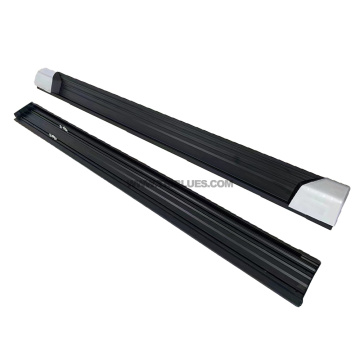

Running boards for trucks are essential automotive accessories that provide a convenient step between the ground and the truck's cabin floor. Also known as side steps or nerf bars, these components bridge the gap created by modern lifted trucks and higher ground clearance, allowing drivers and passengers to enter and exit their vehicles safely and easily.
Beyond accessibility, running boards serve multiple functions including protection against road debris, improved vehicle aesthetics, and enhanced resale value. For professional buyers sourcing in bulk, understanding the different types of truck running boards is critical to matching supplier capabilities with end-user needs.
Round or oval tubular designs that wrap around the truck body, offering classic styling and reliable footing.
Multi-tube configurations popular on pickup trucks, providing both entry assistance and side protection from brush and debris.
Heavy-duty protective bars designed for off-road use, combining step functionality with frame-mounted impact protection.
Motorized or manual retractable systems that deploy when doors open and stow under the vehicle when closed for improved aerodynamics.
Jiangyin Triblues Technology Co., LTD. brings rigorous industrial manufacturing expertise to the production of premium truck running boards. Our facility combines advanced fabrication techniques with strict quality control protocols to deliver products that meet international standards for durability, safety, and performance.
We source high-grade aluminum alloys and stainless steel for optimal strength-to-weight ratios, ensuring your running boards withstand harsh environments without excessive weight penalties.
Advanced powder coating and anodization processes provide superior corrosion resistance, protecting against road salt, moisture, and UV exposure for extended product lifespan.
Every batch undergoes rigorous load-bearing verification to ensure safe support for adult passengers during entry and exit, exceeding industry minimum requirements.
CNC-manufactured mounting brackets ensure exact fitment for specific truck models, eliminating installation guesswork and reducing warranty claims for your customers.


Selecting the optimal running boards requires careful evaluation of multiple factors beyond basic aesthetics. Professional procurement teams must consider vehicle specifications, usage patterns, regulatory requirements, and total cost of ownership when making sourcing decisions.
Confirm exact model year, trim level, and door configuration. Running boards must match the specific truck platform to ensure proper clearance, mounting point alignment, and functional operation without interference.
Fleet vehicles operating in coastal regions, snow belts, or off-road conditions require enhanced corrosion protection and heavier-duty construction. Match material specifications to the actual operating environment your buyers will face.
Ensure the selected running boards support the expected user weight range. Heavy-duty applications may require reinforced step surfaces and higher load ratings to prevent premature failure.
Determine whether bolt-on or drilling installation is preferred. Bolt-on systems preserve factory integrity and simplify fleet maintenance procedures, while custom solutions may offer better integration for modified vehicles.
Partner with manufacturers who demonstrate consistent quality control, responsive communication, and scalable production capacity. A reliable supplier reduces procurement risk and ensures timely delivery for large orders.
Use this comprehensive checklist to evaluate potential suppliers and products before committing to purchase orders. Each criterion addresses common pain points in the running boards sourcing process.
Procurement professionals frequently encounter predictable challenges when sourcing running boards for trucks. Understanding these issues upfront allows you to negotiate better terms, set realistic expectations, and avoid costly mistakes.
Suppliers providing generic or outdated compatibility information results in parts that don't match the target vehicle platform, leading to installation failures and returns.
Solution: Request verified fitment charts with specific VIN ranges, model years, and trim levels. Require physical samples before placing bulk orders.Low-quality coatings fail prematurely in harsh climates, causing rust, discoloration, and structural degradation that damages brand reputation.
Solution: Specify minimum salt spray test hours (1000+ hours) and request third-party corrosion certification. Prioritize suppliers using multi-stage surface treatment processes.Running boards that bend or crack under normal use create safety hazards and increase warranty costs for fleet operators.
Solution: Verify load ratings exceed 300 lbs per step. Request engineering test reports and review weld quality on critical stress points.Unreliable production schedules disrupt inventory planning and cause stockouts that miss seasonal demand peaks.
Solution: Establish written production timelines with penalty clauses for delays. Maintain buffer stock with suppliers who demonstrate consistent on-time delivery records.Running boards serve diverse market segments across commercial, recreational, and utility applications. Understanding these use cases helps buyers identify the right product specifications for their target customer base.
Delivery trucks, service vans, and utility fleets benefit from durable running boards that reduce driver fatigue during frequent stops and improve workplace safety compliance.
Overlanding enthusiasts and off-road adventurers require heavy-duty rock sliders and step bars that protect the vehicle body while providing secure footing on rugged terrain.
Farm trucks and rural work vehicles need robust stepping solutions that accommodate boots, gloves, and frequent mounting/dismounting in challenging field conditions.
Auto parts retailers and e-commerce sellers stock running boards as high-margin accessories that address universal buyer needs for accessibility and vehicle protection.
When evaluating potential partners for running boards for trucks, prioritize suppliers who demonstrate the following qualities that directly impact your procurement success and bottom line.
Jiangyin Triblues Technology maintains research partnerships with leading Chinese universities, enabling continuous innovation in materials science and manufacturing processes that give buyers access to cutting-edge products.
Established cooperation with major state-owned enterprises and automotive manufacturers demonstrates proven capability to meet demanding quality standards and volume requirements.
Experience spanning automotive parts, industrial waste gas treatment, and catalyst technology provides unique engineering depth that translates to superior product development for truck accessories.
OEM and ODM services enable branded solutions tailored to specific market requirements, helping distributors differentiate their offerings and build stronger customer relationships.
Get answers to the most common questions buyers ask when sourcing running boards for trucks. These insights help streamline your procurement process and reduce decision-making uncertainty.
Aluminum alloys and stainless steel offer the best corrosion resistance for running boards exposed to road salt, coastal humidity, or chemical deicers. Aluminum provides excellent weight savings while maintaining structural integrity. Stainless steel offers maximum durability at the cost of additional weight. Both materials should feature multi-stage powder coating or anodization for optimal protection against environmental degradation.
Request engineering test reports from your supplier that document static and dynamic load testing results. Reputable manufacturers conduct load tests exceeding 300 lbs per step and can provide third-party certification. Ask for sample units to perform your own verification testing before committing to production quantities.
Standard catalog items typically ship within 7-14 days. Custom-designed running boards with specific fitment data, finishes, or branding usually require 25-40 days depending on complexity and order volume. Suppliers with established production lines and raw material inventory can often accelerate timelines for repeat orders.
Yes, many modern running board systems use bolt-on mounting clamps that attach to existing factory points or bed rail channels. This drill-free approach preserves vehicle warranties and simplifies removal for maintenance. Confirm compatibility with your specific truck model before ordering to ensure proper clamp design and coverage.
Industry-standard warranties range from 1 to 5 years covering material defects and structural failures. Premium manufacturers often provide lifetime warranties against rust-through and coating peeling. Review warranty terms carefully to understand coverage limitations, claim procedures, and whether the warranty transfers to end users or applies only to the purchasing distributor.
Traditional fixed running boards add wind resistance that can reduce highway fuel economy by 1-3%. Retractable running boards deploy only when doors open and stow flush against the vehicle body when closed, minimizing aerodynamic drag. For fleet buyers prioritizing fuel efficiency, retractable systems offer the best balance of functionality and efficiency.
Quality suppliers use multi-layer packaging including foam corner protectors, bubble wrap, and corrugated cardboard boxes sized to minimize movement during transit. Some manufacturers employ wooden crates for high-value or oversized orders. Request packaging specifications from your supplier and verify they include drop-test documentation proving package integrity through standard logistics handling.
Our company has been committed to the production, research and development of industrial waste gas treatment equipment,We have research and development cooperation with Zhejiang University, Xi 'an... Subscribe Our Newsletter
Related Products List

Privacy statement: Your privacy is very important to Us. Our company promises not to disclose your personal information to any external company with out your explicit permission.
Fill in more information so that we can get in touch with you faster
Privacy statement: Your privacy is very important to Us. Our company promises not to disclose your personal information to any external company with out your explicit permission.