
Email
 Jiangyin Triblues Technology Co., LTD.
Select Language
English



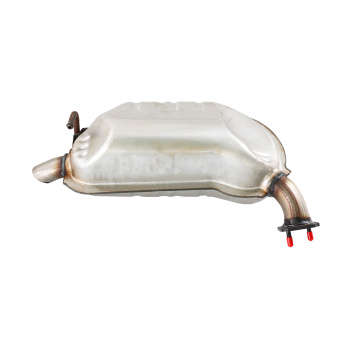
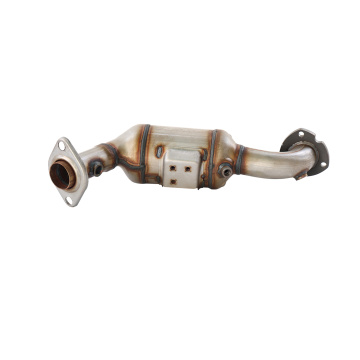

A diesel particulate filter (DPF) is an emissions control device designed specifically for diesel engines used in generator sets. It captures and reduces the particulate matter (PM)—commonly known as soot—emitted during the combustion of diesel fuel. For generator set operators, this technology is essential for meeting increasingly strict environmental regulations while maintaining reliable power generation.
Generator sets are critical infrastructure for backup power in hospitals, data centers, industrial facilities, and remote sites. Unlike vehicles that move constantly, generators often operate at steady loads or idle, which can lead to incomplete combustion and higher soot accumulation. A properly engineered DPF ensures that your generator meets compliance standards without compromising performance or requiring frequent shutdowns for maintenance.
The core function of a diesel particulate filter for generator set applications is to trap soot particles inside a porous ceramic structure. Over time, the trapped soot is burned off through a process called regeneration, converting harmful particles into harmless carbon dioxide and water vapor. This cycle allows your generator to run cleanly and efficiently throughout its operational life.
Jiangyin Triblues Technology Co., LTD. specializes in industrial waste gas treatment equipment with deep R&D partnerships with leading Chinese universities including Zhejiang University and Xi'an Jiaotong University. Our expertise translates directly into superior diesel particulate filters tailored for generator set durability and efficiency.
Our collaboration with 985-tier research institutions ensures our DPF designs incorporate cutting-edge filtration media and thermal management strategies. This means faster light-off times, longer service intervals, and better resistance to thermal shock compared to standard market offerings.
We supply state-owned enterprises like CSIC and Haier Group, meaning our products undergo rigorous validation for continuous operation. Your generator set benefits from the same quality assurance protocols used in heavy-duty industrial environments where downtime is not an option.

Our diesel particulate filters use high-quality cordierite or silicon carbide ceramic carriers, selected based on your generator's exhaust temperature profile. These materials offer exceptional thermal stability, preventing cracking or deformation during high-temperature regeneration cycles.
Each filter receives a uniform washcoat containing precious metal catalysts (typically platinum-palladium blends) that lower the ignition temperature of soot. This catalytic coating ensures effective regeneration even at lower exhaust temperatures common in standby generator operation.
Every unit undergoes helium leak testing to guarantee zero bypass of unfiltered exhaust. Any leak would allow particulate matter to escape directly to the atmosphere, violating emission standards and potentially causing downstream damage to your generator system.
We provide complete DPF assemblies including stainless steel housings, flanges, and mounting brackets engineered to fit your specific generator make and model. This turnkey approach simplifies installation and reduces integration risks for your engineering team.

Selecting the correct diesel particulate filter for your generator set requires careful analysis of several technical parameters. An improperly sized or specified DPF can cause excessive backpressure, reducing engine efficiency and increasing fuel consumption.
Calculate your generator's maximum exhaust flow rate (in CFM or L/min) at full load. The DPF's geometric surface area and cell density must match this flow to maintain acceptable pressure drop. Our engineering team provides precise sizing recommendations based on your generator's rated power and cylinder configuration.
Common cell densities range from 200 to 600 cells per square inch (CPI). Lower densities (200 CPI) suit larger industrial generators with high flow rates, while higher densities (400–600 CPI) work well for smaller standby units where maximum filtration efficiency is prioritized over minimal pressure loss.
Generators operating under variable loads produce fluctuating exhaust temperatures. Ensure your DPF includes adequate thermal mass and catalytic activity to handle both cold-start conditions and sustained high-load regeneration events without failure.
Large-scale data centers rely on diesel generators for uninterrupted power supply. DPFs enable these critical installations to comply with urban air quality regulations while ensuring 100% uptime availability for mission-critical IT infrastructure.
Hospitals and medical centers face strict emission scrutiny due to their proximity to sensitive populations. Our low-backpressure DPF designs help healthcare facilities meet environmental requirements without affecting generator response times during emergency power events.
Remote telecom base stations often use diesel generators for backup power in areas with limited grid access. Compact, durable DPF solutions reduce maintenance visits and ensure compliance with regional emission standards across distributed site portfolios.
Municipal regulations increasingly require emission controls on temporary power equipment at construction sites. Portable generator DPFs allow contractors to deploy compliant power systems without sacrificing mobility or setup speed.
Office buildings and shopping malls with on-site backup generators benefit from discreet, efficient DPF installations that eliminate visible smoke emissions and improve community relations in densely populated urban areas.
One of the most frequent mistakes buyers make is selecting a DPF without verifying exhaust flow compatibility. An undersized filter creates excessive backpressure, forcing the generator engine to derate its output to protect itself. Always request a detailed engineering review before placing your order.
Low-quality DPFs with inadequate catalytic washcoat fail to regenerate properly, leading to rapid soot accumulation and eventual filter clogging. This results in costly emergency replacements and unexpected generator downtime. Verify regeneration temperature thresholds with your supplier.
Generic DPF housings often do not align with existing generator exhaust manifolds or silencer connections. Mismatched flanges require expensive field modifications or custom fabrication delays. Work with suppliers who offer application-specific housing design services.
Many buyers overlook the importance of ongoing DPF maintenance support. A quality supplier provides cleaning services, monitoring tools, and replacement elements to extend filter life. Ensure your contract includes comprehensive after-sales technical assistance.
Suppliers like Jiangyin Triblues Technology that collaborate with top-tier research universities bring academic rigor and advanced material science to DPF development. This partnership model typically yields products with superior thermal efficiency and longer service lives compared to generic manufacturers.
Choose suppliers who can deliver complete DPF assemblies—not just the filter element. Integrated solutions including housing, sensors, and mounting hardware reduce procurement complexity and ensure all components work together harmoniously, lowering your total cost of ownership.
Reputable suppliers provide third-party certification documents and independent test reports showing actual PM reduction percentages, pressure drop curves, and thermal cycling endurance. Avoid vendors who only make vague claims about "high efficiency" without verifiable data.
The cheapest DPF upfront may cost more over five years due to frequent replacements, higher fuel consumption from backpressure, or unplanned downtime. Evaluate suppliers based on lifecycle value—including durability, regeneration efficiency, and maintenance support—rather than initial purchase price alone.
With proper maintenance and regular regeneration cycles, a quality diesel particulate filter for generator set applications typically lasts between 10,000 to 20,000 operating hours before requiring replacement. Actual lifespan depends on fuel quality, operating load profiles, and ambient conditions. Our ceramic carrier technology is designed to maximize service intervals and minimize replacement frequency.
Yes, most stationary and portable generator sets can be retrofitted with a diesel particulate filter. Our engineering team performs custom layout assessments to design DPF assemblies that integrate with your existing exhaust system. Retrofit projects typically require 4–8 weeks for engineering, fabrication, and testing depending on complexity.
DPFs are largely maintenance-free during normal operation, relying on automatic passive or active regeneration to burn off accumulated soot. Periodic visual inspections of the housing and sensor connections are recommended every 2,000 hours. Professional cleaning and re-catalyzing services can restore performance if soot loading exceeds design limits.
A properly sized DPF adds minimal backpressure (typically less than 25 mbar at full load), resulting in negligible impact on fuel consumption. However, an incorrectly sized or clogged DPF can increase backpressure significantly, raising fuel usage by 3–5%. Regular monitoring of differential pressure across the filter helps prevent this issue.
Our diesel particulate filters are engineered to comply with major global emission standards including EPA Tier 4 Final, EU Stage V, China Non-Road Stage IV, and various regional regulations. We provide documentation confirming compliance status for each product variant to support your permitting and audit requirements.
Our company has been committed to the production, research and development of industrial waste gas treatment equipment,We have research and development cooperation with Zhejiang University, Xi 'an... Subscribe Our Newsletter
Related Products List

Privacy statement: Your privacy is very important to Us. Our company promises not to disclose your personal information to any external company with out your explicit permission.
Fill in more information so that we can get in touch with you faster
Privacy statement: Your privacy is very important to Us. Our company promises not to disclose your personal information to any external company with out your explicit permission.