
Email
 Jiangyin Triblues Technology Co., LTD.
Select Language
English


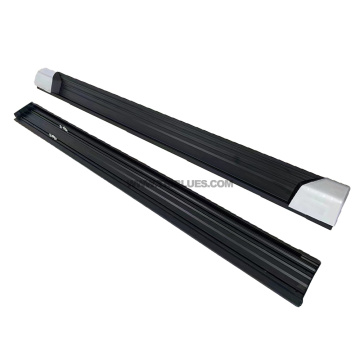

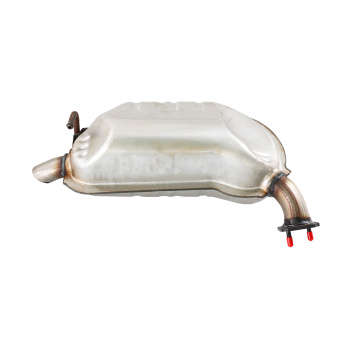
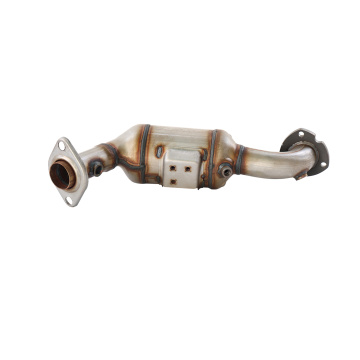


Hyundai aftermarket parts are specialized components designed to replace or upgrade original equipment in Hyundai vehicles after the initial warranty period expires. These parts range from essential engine components like catalytic converters and diesel particulate filters (DPF) to body accessories such as side steps and running boards.
For fleet managers and independent repair shops, sourcing high-quality aftermarket parts is critical for maintaining vehicle uptime and customer satisfaction. Our company specializes in manufacturing and R&D of industrial waste gas treatment equipment, ensuring that our Hyundai-compatible emissions components meet rigorous performance standards.
Why it matters: Using reliable aftermarket parts reduces your total cost of ownership while maintaining the performance integrity expected from Hyundai engineering.
We combine academic research with industrial application to deliver superior Hyundai replacement parts. Our collaboration with leading universities like Zhejiang University and Xi'an Jiaotong University ensures that our products incorporate the latest advancements in materials science and emission control technology.
Our ceramic carriers and catalyst converters are developed through extensive testing and university partnerships, ensuring durability and compliance with global emission standards.
With experience serving state-owned enterprises like Shenyang Jinbei and Haier Group, we have the capacity to fulfill large orders for Hyundai parts distributors and fleet operators.

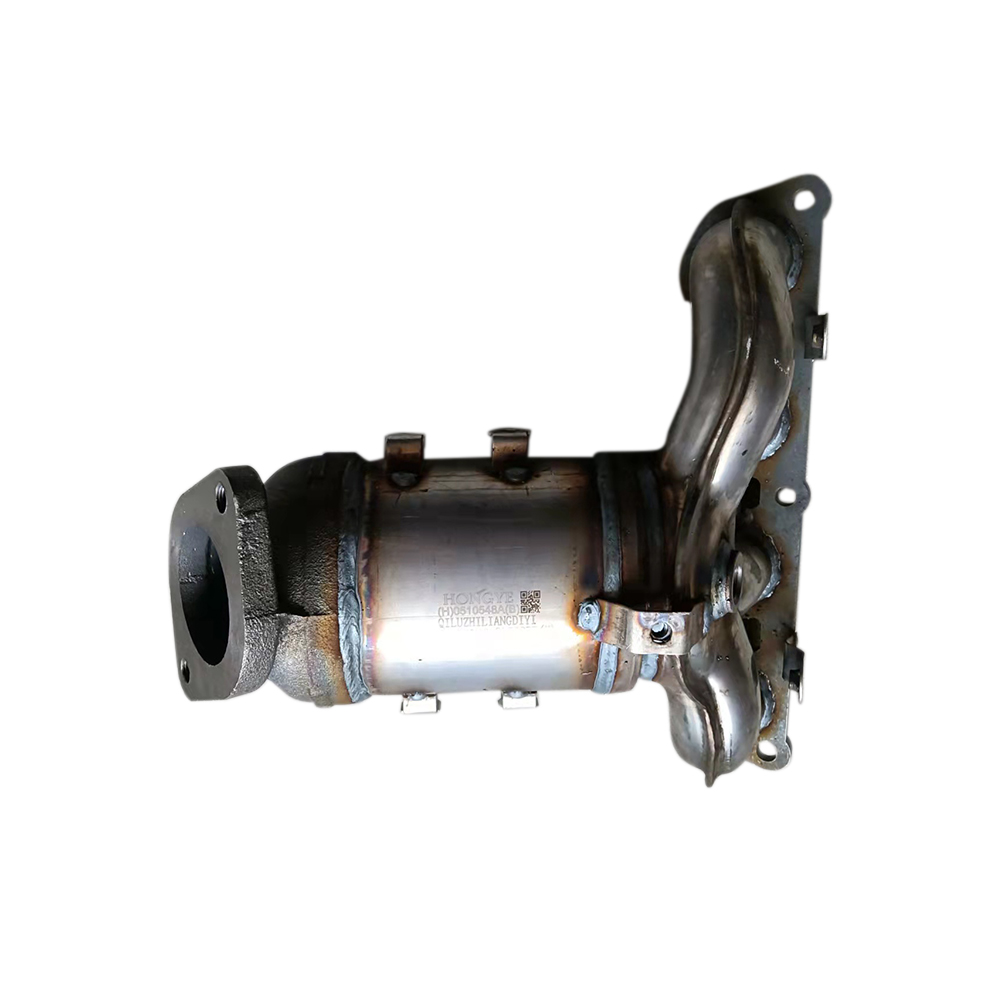
Our manufacturing facility adheres to strict quality control protocols for every batch of Hyundai aftermarket parts produced. From raw material sourcing to final inspection, each step is monitored to ensure consistency and reliability.
Selecting the correct aftermarket part for a Hyundai vehicle requires careful consideration of several factors. Buyers should prioritize compatibility, material quality, and supplier expertise to avoid costly rework and downtime.
Ensure the part matches your specific Hyundai model, year, and engine type. Our team provides technical support to confirm fitment before you place an order.
For emissions components, check the washcoat formulation and substrate density. Higher-grade materials offer longer lifespan and better emission reduction performance.
Choose a manufacturer with proven R&D capabilities and production scale. This ensures consistent supply even during peak demand periods for Hyundai parts.
Use this checklist to evaluate potential suppliers and ensure you receive the best value for your procurement budget.
Many buyers encounter challenges when sourcing aftermarket parts internationally. Understanding these common pitfalls can help you mitigate risk and streamline your supply chain.
Poorly engineered replicas often fail to match OEM dimensions. Always work with suppliers who invest in precise molding and testing.
Batch-to-batch variations can lead to premature failures. Partner with manufacturers who have robust QA processes and traceability systems.
Unreliable lead times disrupt your operations. Choose partners with verified production capacity and transparent communication channels.
Our Hyundai aftermarket parts serve a diverse range of industries, from commercial transportation to specialized industrial machinery.
Bus operators and delivery fleets rely on our DPFs and catalytic converters to maintain compliance with environmental regulations while minimizing vehicle downtime.
Independent dealerships stock our side steps and running boards as premium add-on accessories for Hyundai owners seeking enhanced functionality and aesthetics.
Our waste gas treatment technologies are also applied to generators and home appliances, demonstrating the versatility and robustness of our core engineering.
When evaluating potential suppliers for Hyundai aftermarket parts, consider the following criteria to ensure a long-term, productive partnership.
Suppliers with strong research backgrounds, like our cooperation with 985 universities, are better equipped to solve complex engineering challenges and innovate new solutions.
Experience working with large state-owned enterprises indicates a supplier's ability to meet high standards of quality, delivery, and corporate governance.
A trustworthy supplier will openly share their manufacturing processes, quality certifications, and product limitations, allowing you to make informed decisions.
The most frequently requested items include catalytic converters, diesel particulate filters (DPF), and ceramic carriers for emissions control, as well as side steps and running boards for body modification and protection.
Look for suppliers who provide detailed specifications on precious metal loadings, substrate cell density, and washcoat composition. Requesting sample units for bench testing is also a recommended verification step.
Yes, we offer customization services for both emissions components and body accessories. Our R&D team can work with your specifications to develop tailored solutions for unique Hyundai applications.
Lead times vary based on order volume and product type. Given our large-scale production capabilities, we strive to maintain short turnaround times. Contact us for a specific quote based on your current requirements.
Absolutely. We provide comprehensive technical documentation and can offer remote guidance to ensure proper installation of our Hyundai aftermarket parts, minimizing the risk of errors.
Our company has been committed to the production, research and development of industrial waste gas treatment equipment,We have research and development cooperation with Zhejiang University, Xi 'an... Subscribe Our Newsletter
Related Products List

Privacy statement: Your privacy is very important to Us. Our company promises not to disclose your personal information to any external company with out your explicit permission.
Fill in more information so that we can get in touch with you faster
Privacy statement: Your privacy is very important to Us. Our company promises not to disclose your personal information to any external company with out your explicit permission.