
Email
 Jiangyin Triblues Technology Co., LTD.
Select Language
English


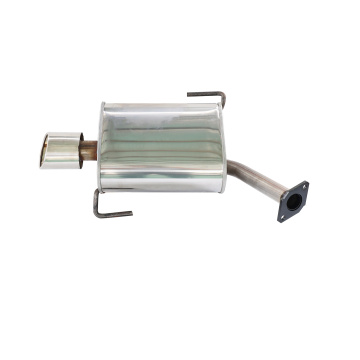


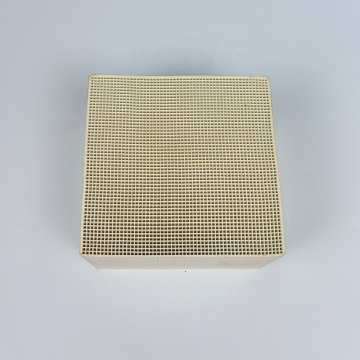
A Diesel Particulate Filter (DPF) is an emission control device designed to remove diesel particulate matter (soot) from the exhaust stream of internal combustion engines. By trapping these fine particles, DPFs significantly reduce harmful emissions, helping vehicles and machinery meet strict environmental regulations like Euro 6 and EPA standards.
At Jiangyin Triblues Technology Co., LTD., we specialize in high-performance DPF solutions tailored for motorcycles, industrial machinery, and generators. Our filters are engineered to balance filtration efficiency with minimal backpressure, ensuring your engine maintains optimal power while staying compliant with emission norms.
Whether you're sourcing for heavy-duty trucks or compact motorcycle engines, understanding the core function of a DPF is crucial for making informed procurement decisions that impact both compliance and operational efficiency.
Our commitment to quality begins with rigorous R&D collaboration with leading universities such as Zhejiang University and Xi'an Jiaotong University. This scientific approach ensures our DPF units deliver consistent performance under demanding conditions.
We utilize high-quality ceramic substrates that offer superior thermal stability and mechanical strength. These carriers ensure long-term durability even under extreme exhaust temperatures, reducing the risk of filter failure.
Our catalytic converters and DPFs feature precise washcoat applications that enhance soot oxidation rates. This technology lowers the regeneration temperature, improving fuel efficiency and reducing maintenance frequency for end-users.
Every batch undergoes stringent testing for flow resistance, filtration efficiency, and pressure drop. We adhere to international standards to guarantee that each unit meets the specific requirements of our clients in the automotive and industrial sectors.
Selecting the correct Diesel Particulate Filter involves more than just matching the physical dimensions. Buyers must consider the specific engine type, operating environment, and regulatory targets to ensure optimal performance and cost-effectiveness.
Ensure the DPF is designed for your specific engine configuration, whether it's a two-stroke or four-stroke motorcycle engine, a diesel generator set, or heavy-duty industrial machinery. Mismatched filters can lead to poor performance or engine damage.
Higher filtration efficiency often comes with increased backpressure. Work with suppliers who can provide balanced solutions that meet emission standards without compromising engine power output or fuel economy.
Understand whether the system requires passive or active regeneration. Passive systems rely on natural exhaust heat, while active systems may need additional fuel dosing or electric heaters. Choose the method that best fits your operational workflow.
Before finalizing your purchase order, use this checklist to verify that your supplier and product selection align with your business needs and technical requirements.
Does the filter match the exact engine model and displacement?
Is the substrate material (ceramic/metal) suitable for the expected exhaust temperatures?
Are the inlet and outlet diameters compatible with existing exhaust piping?
Does the manufacturer have experience with your specific industry (e.g., motorcycles, generators)?
Can they provide test reports or certification documents for emission compliance?
Is customization available if standard sizes do not fit your application?
Understanding common issues with Diesel Particulate Filters can help buyers prevent costly downtime and extend the lifespan of their equipment. Here are frequent challenges and how proper selection mitigates them.
Problem: Reduced engine power and increased fuel consumption.
Solution: Choose a DPF with optimized cell density and low-flow-resistance design. Regular maintenance and proper regeneration cycles also help manage pressure buildup.
Problem: Frequent cleaning or replacement needs.
Solution: Ensure the filter is matched to the engine's oil consumption and fuel quality. Using high-quality fuels and oils reduces ash formation, which is a primary cause of permanent clogging.
Problem: Cracking or melting of the substrate.
Solution: Select filters made from high-temperature resistant materials like cordierite or silicon carbide. Proper installation and avoiding uncontrolled regeneration events are critical.
Jiangyin Triblues Technology provides DPF solutions across a diverse range of industries. Our expertise spans from small-scale mobile applications to large industrial waste gas treatment systems.
Compact and efficient DPFs designed for two-stroke and four-stroke motorcycle engines, helping manufacturers comply with stricter urban emission standards.
Robust filtration systems for backup power generators, ensuring clean exhaust output during operation in sensitive environments like hospitals and data centers.
Large-scale industrial waste gas treatment equipment for factories and manufacturing plants, utilizing advanced ceramic and metal honeycomb catalysts.
Innovative applications of filtration technology in home appliances to improve indoor air quality and reduce environmental impact.
When sourcing DPF components, partnering with a manufacturer that combines academic research with industrial application is key. Jiangyin Triblues Technology offers a unique value proposition backed by strong institutional partnerships.
We collaborate with nine prestigious 985 universities, including Zhejiang University and Xi'an Jiaotong University, ensuring our products are built on cutting-edge science.
Trusted by major state-owned enterprises like Shenyang Jinbei Automobile, CSIC, and Haier Group for reliable emission control solutions.
From ceramic carriers and catalytic converters to custom industrial waste gas treatment, we provide end-to-end solutions for complex emission challenges.
Get answers to common questions from procurement professionals regarding Diesel Particulate Filters, manufacturing capabilities, and customization options.
Ceramic substrates, typically made of cordierite, offer excellent thermal stability and are cost-effective for most applications. Metal substrates provide higher mechanical strength and faster light-off times, making them suitable for high-performance or space-constrained applications like motorcycles. We offer both types based on your specific needs.
Yes, we specialize in customization. Whether you need specific inlet/outlet diameters, unique housing shapes, or specialized catalyst coatings, our R&D team works closely with clients to develop tailored solutions for non-standard engines and industrial equipment.
Our products are designed to meet international emission standards. We conduct rigorous internal testing and can provide detailed performance reports. We also collaborate with research institutions to validate our technology against global benchmarks.
Yes, in addition to supplying components, we offer customization and installation services for large-scale industrial waste gas treatment equipment. Our team ensures proper integration into your existing systems for maximum efficiency.
Lead times depend on the order volume and customization requirements. For standard products, we aim for quick turnaround. For custom orders, we provide accurate timelines during the quotation phase to help you plan your supply chain effectively.
Our company has been committed to the production, research and development of industrial waste gas treatment equipment,We have research and development cooperation with Zhejiang University, Xi 'an... Subscribe Our Newsletter
Related Products List

Privacy statement: Your privacy is very important to Us. Our company promises not to disclose your personal information to any external company with out your explicit permission.
Fill in more information so that we can get in touch with you faster
Privacy statement: Your privacy is very important to Us. Our company promises not to disclose your personal information to any external company with out your explicit permission.