
Email
 Jiangyin Triblues Technology Co., LTD.
Select Language
English


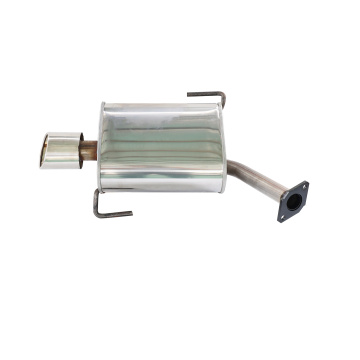


A Diesel Particulate Filter (DPF) is an emission control device designed to remove diesel particulate matter (soot) from the exhaust stream of diesel engines. By trapping these harmful particles before they are released into the atmosphere, DPFs play a critical role in helping vehicles and industrial machinery meet strict environmental regulations.
Manufactured using advanced ceramic or metal honeycomb structures, our DPFs ensure high filtration efficiency while maintaining optimal engine performance. For fleet operators and industrial buyers, choosing a reliable DPF supplier means reducing downtime, avoiding regulatory fines, and achieving sustainable operational goals.
Jiangyin Triblues Technology Co., LTD. specializes in the research, development, and production of high-quality DPF systems backed by partnerships with leading Chinese universities and major state-owned enterprises.


Look for suppliers who invest in R&D. A partner with university collaborations and proprietary technology can offer better customization and long-term support compared to generic manufacturers.
The best supplier provides both ceramic catalyst and metal honeycomb options. This allows you to select the filter type that perfectly matches your specific engine temperature profiles and backpressure requirements.
Ensure the manufacturer can handle large-scale industrial waste gas treatment equipment installation, not just off-the-shelf parts. This indicates a higher level of engineering competence.
We don't just sell filters. We provide comprehensive industrial waste gas treatment solutions, including custom installation services for large-scale projects.
From side steps and running boards to Catalytic Converters and DPFs, we serve as a one-stop procurement partner for diverse automotive and industrial needs.
Trusted by major state-owned enterprises like Haier and CSIC, our reliability is proven at the highest levels of industry.
Ceramic DPFs (typically Silicon Carbide) are the industry standard for most applications due to their high porosity and lower cost. Metal DPFs are more durable, lighter, and can withstand higher temperatures, making them ideal for heavy-duty or extreme-condition applications where rapid regeneration is required.
Cleaning intervals depend on usage patterns and fuel quality. Generally, passive regeneration occurs automatically during highway driving, while active regeneration happens at set intervals. Manual cleaning is typically recommended every 100,000 to 150,000 kilometers, depending on the severity of operating conditions.
Yes. Our R&D team works directly with engineering specifications to create custom-sized and configured DPF units. We also offer integration services for large-scale industrial waste gas treatment equipment.
Beyond automotive and light trucks, our solutions are used in marine vessels, construction machinery, generator sets, and large-scale industrial plants seeking to reduce emissions and comply with environmental regulations.
Our company has been committed to the production, research and development of industrial waste gas treatment equipment,We have research and development cooperation with Zhejiang University, Xi 'an... Subscribe Our Newsletter
Related Products List

Privacy statement: Your privacy is very important to Us. Our company promises not to disclose your personal information to any external company with out your explicit permission.
Fill in more information so that we can get in touch with you faster
Privacy statement: Your privacy is very important to Us. Our company promises not to disclose your personal information to any external company with out your explicit permission.