
Email
 Jiangyin Triblues Technology Co., LTD.
Select Language
English




A diesel particulate filter substrate is the core structural component of a DPF system, engineered to capture soot particles from diesel engine exhaust while allowing gases to flow through with minimal resistance. Manufactured from high-performance ceramic materials like cordierite or silicon carbide, these substrates provide the essential surface area for effective filtration.
For fleet operators and industrial equipment managers, selecting the right substrate ensures compliance with stringent emission standards (Euro 5/6, EPA Tier 4) while maintaining engine performance. The substrate's cell density and wall thickness directly impact backpressure, fuel efficiency, and regeneration cycles.
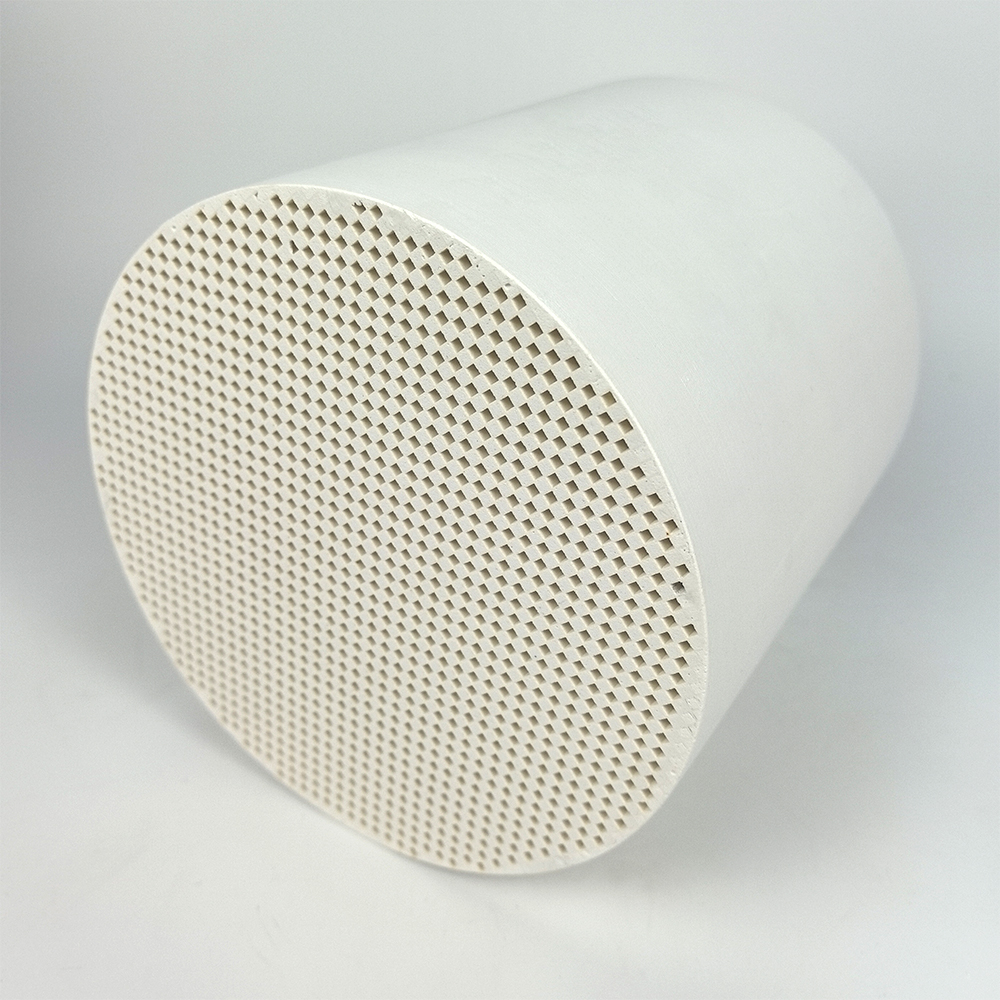
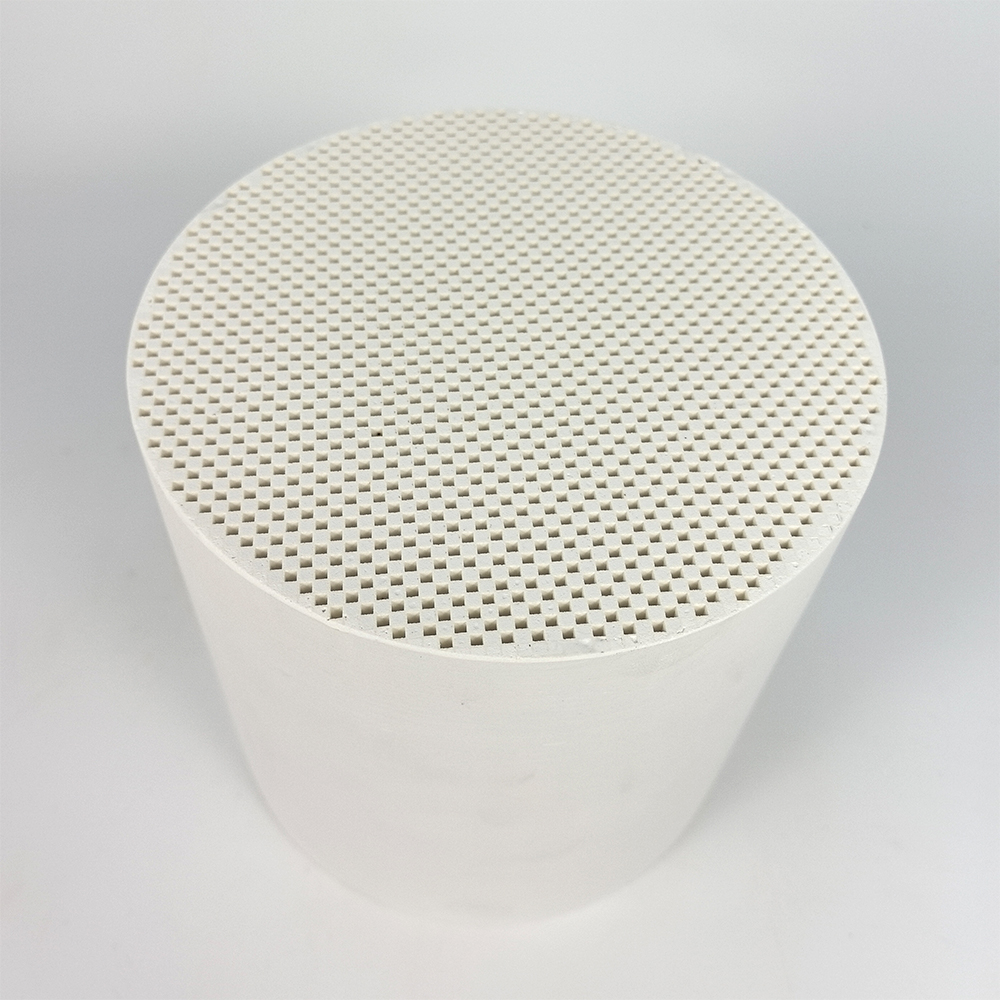
Our manufacturing facility employs precision extrusion and coating technologies to produce high-efficiency diesel particulate filter substrates that meet global automotive standards. Each substrate undergoes rigorous testing for porosity, crush strength, and thermal shock resistance to ensure reliable performance in harsh operating conditions.
Jiangyin Triblues Technology Co., LTD. collaborates with leading research institutions including Zhejiang University and Xi'an Jiaotong University to advance catalyst formulations and substrate designs. This R&D partnership enables us to deliver custom solutions for diverse applications, from passenger vehicles to heavy-duty industrial generators.
Selecting the optimal DPF substrate for your application requires evaluating several critical factors:
Contact our engineering team to discuss your specific requirements and receive tailored substrate recommendations.
Use this comprehensive checklist to evaluate potential suppliers and ensure your diesel particulate filter substrate procurement meets all technical and commercial requirements.
Verify substrate dimensions, cell density, and material specifications match OEM drawings. Request test reports for thermal stability and pressure drop characteristics.
Confirm ISO 9001 certification and IATF 16949 compliance. Request batch traceability documentation and first article inspection reports for each production run.
Evaluate MOQ flexibility, lead times, and payment terms. Request volume pricing tiers and assess total landed cost including logistics and duties.
Assess supplier's production capacity, raw material sourcing stability, and backup inventory policies. Verify on-time delivery track record over previous contracts.
Review protective packaging standards to prevent transit damage. Confirm shipping methods, customs documentation support, and delivery timeframes to your location.
Ensure availability of technical assistance, warranty terms, and replacement policies. Verify supplier responsiveness to quality complaints and engineering queries.
When sourcing diesel particulate filter substrates, prioritize suppliers who demonstrate manufacturing excellence, research capabilities, and proven industry partnerships.
Jiangyin Triblues Technology maintains active R&D collaborations with nine prestigious Chinese universities, including Zhejiang University, Xi'an Jiaotong University, East China University of Science and Technology, and South China University of Technology. This academic partnership drives continuous innovation in substrate design and catalyst formulation.
Our products are trusted by major industry players including Shenyang Jinbei Automobile Co., Ltd., CSIC (China State Shipbuilding Corporation), and Haier Group. These partnerships validate our ability to meet stringent quality requirements for large-scale industrial and automotive applications.
Beyond standard DPF substrates, we manufacture ceramic carriers, three-way catalytic converters, metal honeycomb catalysts, and custom industrial waste gas treatment equipment. This comprehensive capability simplifies procurement by consolidating multiple supply chains under one reliable partner.
We offer full customization services for substrate dimensions, cell structures, and washcoat compositions. Whether you need standard off-the-shelf solutions or specialized designs for unique applications, our engineering team delivers tailored results that match your exact specifications.
Understanding common pitfalls helps buyers avoid costly mistakes when sourcing diesel particulate filter substrates. Below are frequent issues and how to mitigate them.
Problem: Substrates crack due to rapid temperature changes during regeneration cycles.
Solution: Specify substrates with appropriate thermal conductivity ratings. Silicon carbide substrates offer superior thermal shock resistance compared to cordierite for heavy-duty applications with frequent regeneration events.
Problem: High differential pressure reduces engine power and increases fuel consumption.
Solution: Validate substrate geometry against CFD simulations. Optimize cell density and wall thickness for your specific engine map. Request manufacturer test data showing pressure drop curves at various flow rates.
Problem: Variable soot capture rates across batches lead to emission non-compliance.
Solution: Require statistical process control data from your supplier. Implement incoming quality inspection protocols measuring pore size distribution and wall thickness uniformity across sample batches.
Problem: Catalyst coating peels off substrate surface during thermal cycling, reducing conversion efficiency.
Solution: Verify washcoat adhesion strength through thermal cycling tests. Select suppliers with advanced coating technologies and strict process controls for washcoat application and drying procedures.
Standard DPF substrates typically have a lead time of 4-6 weeks for established part numbers. Custom designs requiring new tooling or washcoat development may take 8-12 weeks. We recommend planning procurement cycles accordingly and maintaining safety stock for high-volume applications. Expedited options may be available for urgent requirements—contact our sales team for priority scheduling.
Evaluate suppliers based on ISO/IATF certifications, production facility audits, test laboratory capabilities, and customer references. Request sample units for independent testing before committing to large orders. Assess their response time to technical inquiries and willingness to share quality metrics. Suppliers with university partnerships and enterprise client portfolios typically demonstrate stronger technical competence.
While some DPF systems feature self-cleaning regeneration cycles, severely clogged or damaged substrates cannot be effectively restored. Physical cleaning methods may temporarily restore flow but often compromise filtration efficiency and structural integrity. For optimal performance and compliance, we recommend replacing substrates according to manufacturer intervals or when diagnostic indicators show irreversible saturation.
MOQ requirements vary based on substrate complexity and washcoat specifications. Standard products may have lower MOQ thresholds, while custom configurations typically require larger volumes to amortize setup costs. Contact our business development team to discuss flexible ordering arrangements tailored to your production schedule and volume commitments.
Cordierite substrates offer cost advantages and adequate performance for light-to-medium duty applications with moderate regeneration frequencies. Silicon carbide substrates provide superior thermal conductivity, mechanical strength, and thinner wall options, making them ideal for heavy-duty engines, stop-and-go operations, and applications requiring aggressive regeneration strategies. Selection depends on your specific duty cycle, emission targets, and total cost of ownership analysis.
Yes, our engineering team provides comprehensive technical support including substrate selection guidance, CAD drawing verification, fitment consultation, and troubleshooting assistance. We also offer training materials and specification documents to facilitate smooth integration into your assembly processes. Contact us for dedicated project management support throughout your procurement lifecycle.
Our company has been committed to the production, research and development of industrial waste gas treatment equipment,We have research and development cooperation with Zhejiang University, Xi 'an... Subscribe Our Newsletter
Related Products List

Privacy statement: Your privacy is very important to Us. Our company promises not to disclose your personal information to any external company with out your explicit permission.
Fill in more information so that we can get in touch with you faster
Privacy statement: Your privacy is very important to Us. Our company promises not to disclose your personal information to any external company with out your explicit permission.