
Email
 Jiangyin Triblues Technology Co., LTD.
Select Language
English


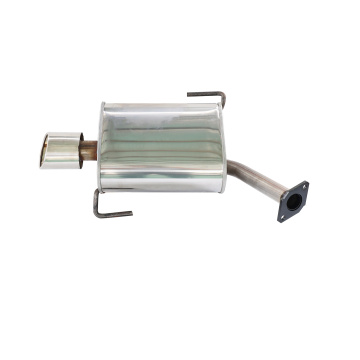


A diesel particulate filter ceramic substrate is the core filtration component within a diesel exhaust after-treatment system. Acting as a monolithic honeycomb structure, typically manufactured from silicon carbide (SiC) or cordierite, it physically traps soot particles while allowing exhaust gases to flow through its porous walls.
For procurement teams, selecting the right substrate material is critical. Ceramic substrates offer superior thermal stability and high melting points compared to metal alternatives, ensuring consistent performance under extreme engine operating conditions. This durability directly translates to longer service intervals and reduced total cost of ownership for fleet operators.
Our company has been committed to the production and research and development of industrial waste gas treatment equipment, leveraging advanced manufacturing techniques to produce high-efficiency ceramic carriers that meet stringent global emission standards.
Manufacturing high-performance diesel mechanical particulate filters requires rigorous quality control at every stage. Our facility employs advanced extrusion and coating technologies to ensure precise channel geometry and uniform washcoat distribution across every batch.
Why this matters to you: Consistent manufacturing processes guarantee that every filter delivered meets exact pressure drop specifications. This reliability minimizes the risk of warranty claims and ensures your end-products perform flawlessly in demanding automotive applications.
We maintain close cooperation with major enterprises such as Shenyang Jinbei Automobile Co., LTD. and CSIC, demonstrating our capability to supply components that satisfy the most demanding industrial and automotive quality benchmarks.
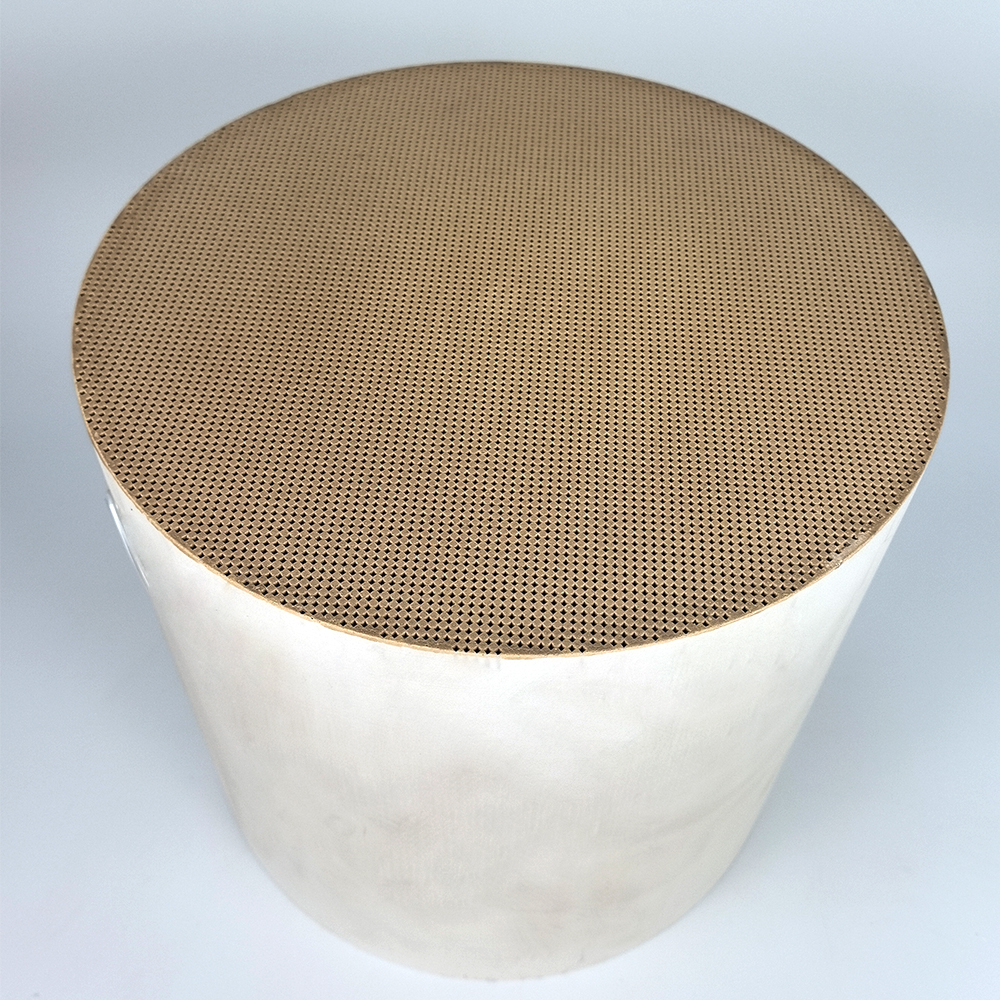
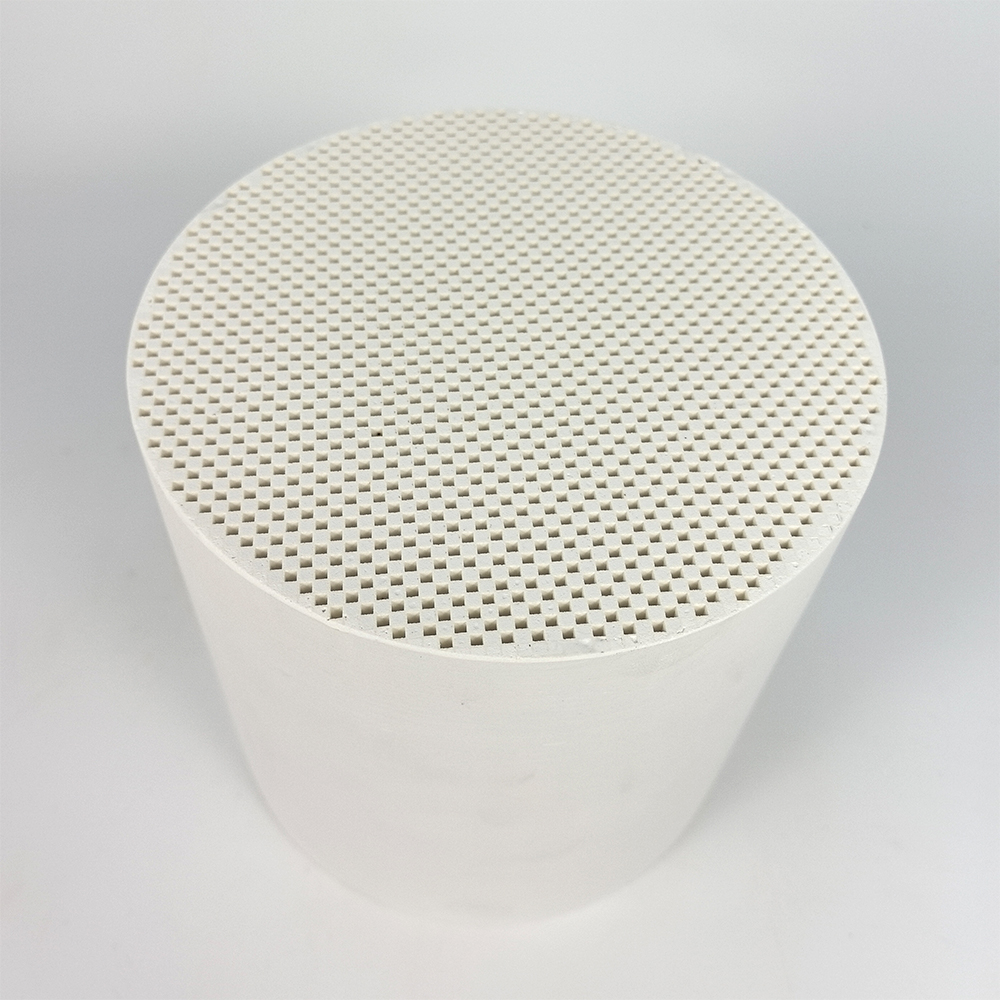
Selecting the optimal diesel particulate filter ceramic substrate involves balancing filtration efficiency, backpressure, and thermal durability. Buyers must evaluate cell density, wall thickness, and substrate volume against specific engine torque curves and emission targets.
Key selection criteria:
Our R&D team collaborates with top universities to stay ahead of industry trends, providing customized solutions that optimize these parameters for your specific use case.
Before finalizing a supplier agreement for diesel particulate filter ceramic substrates, verify these critical factors to mitigate supply chain risks.
Procuring diesel particulate filter ceramic substrates can present unexpected challenges. Understanding these common pitfalls helps buyers avoid delays and quality issues.
Substrates may crack during regeneration if the thermal shock resistance is underestimated. Always request detailed thermal cycling test reports from your supplier before placing large orders.
Variations in wall thickness or channel straightness can cause uneven exhaust flow. Verify dimensional consistency and ask for statistical process control (SPC) data from the manufacturer.
Poor adhesion between the washcoat and the ceramic surface leads to catalyst loss. Ensure your supplier uses proprietary coating techniques that guarantee strong chemical bonding.
When evaluating potential partners for diesel mechanical particulate filter components, prioritize suppliers who demonstrate deep technical expertise and robust industrial partnerships.
Look for manufacturers actively cooperating with prestigious universities like Zhejiang University and Xi'an Jiaotong University. This indicates a commitment to cutting-edge R&D and continuous process improvement.
Suppliers who already serve state-owned large enterprises or major automotive brands have proven their ability to meet strict compliance and delivery requirements. Ask for references in your specific sector.
Diesel particulate filter ceramic substrates are versatile components used across multiple industries where emission control is paramount. Their robust construction makes them suitable for both mobile and stationary applications.
Essential for meeting Euro VI and China VI emission standards in light-duty trucks, buses, and passenger cars equipped with diesel engines.
Used in large-scale industrial boilers and incinerators to capture particulate matter from flue gases, supporting environmental compliance in heavy industry.
Emerging application in high-efficiency heating systems and generators, contributing to cleaner air quality in residential and commercial buildings.
Silicon Carbide (SiC) substrates offer higher thermal conductivity and melting points, making them ideal for high-performance applications. Cordierite is more cost-effective and has a lower coefficient of thermal expansion, suitable for standard passenger car applications.
Yes, we provide customization services for substrate diameter, length, and cell density to fit specific housing designs and performance requirements. Our R&D team works closely with clients to optimize these parameters.
A high-quality substrate with optimized pore structure reduces exhaust backpressure. Lower backpressure means the engine works less hard to expel gases, directly improving fuel efficiency and reducing CO2 emissions.
While specific certifications vary by region, look for ISO 9001 for quality management and evidence of collaboration with recognized research institutions. Partnership with major automotive or industrial groups is also a strong indicator of reliability.
Our company has been committed to the production, research and development of industrial waste gas treatment equipment,We have research and development cooperation with Zhejiang University, Xi 'an... Subscribe Our Newsletter
Related Products List

Privacy statement: Your privacy is very important to Us. Our company promises not to disclose your personal information to any external company with out your explicit permission.
Fill in more information so that we can get in touch with you faster
Privacy statement: Your privacy is very important to Us. Our company promises not to disclose your personal information to any external company with out your explicit permission.