
Email
 Jiangyin Triblues Technology Co., LTD.
Select Language
English


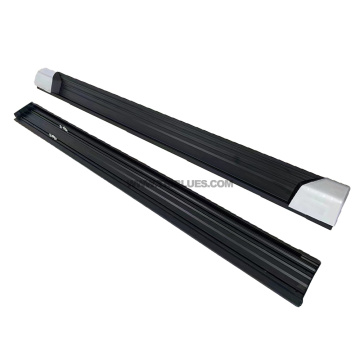

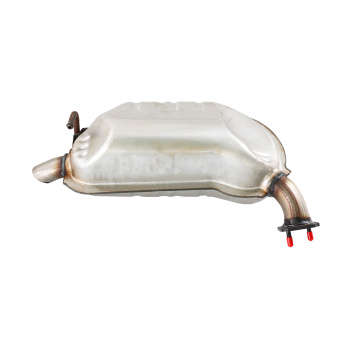
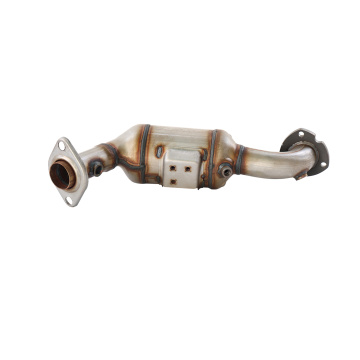


A Toyota catalytic converter is an essential emissions control device integrated into your vehicle's exhaust system. Its primary function is to reduce toxic gases—such as carbon monoxide, nitrogen oxides, and hydrocarbons—into less harmful pollutants like carbon dioxide, nitrogen, and water vapor.
For Toyota owners and fleet managers, maintaining the efficiency of this component is critical for passing strict emissions tests and ensuring optimal engine performance. At Jiangyin Triblues Technology Co., LTD., we specialize in high-performance ceramic catalyst substrates designed specifically for the rigorous demands of modern diesel and gasoline engines.
Our converters utilize advanced washcoat technologies and precious metal loading strategies to maximize conversion efficiency while extending service life. Whether you are sourcing replacements for passenger vehicles or heavy-duty trucks, our products ensure compliance with global environmental standards.


At Jiangyin Triblues Technology Co., LTD., quality is not just a checkpoint; it is a core competency embedded in our automotive catalyst manufacturing process. We collaborate with top-tier research institutions, including Zhejiang University and Xi'an Jiaotong University, to drive innovation in emission control technologies.
Our production facilities are equipped with state-of-the-art machinery for producing ceramic carriers, diesel particulate filters (DPF), and metal honeycomb catalysts. Every batch undergoes rigorous testing for dimensional accuracy, thermal shock resistance, and pressure drop characteristics.
We maintain close business cooperation with major enterprises such as Shenyang Jinbei Automobile and Haier Group, ensuring that our Toyota-compatible catalytic converters meet the highest OEM standards. This commitment to excellence guarantees that our clients receive durable, reliable products that minimize warranty claims and maximize customer satisfaction.
Selecting the correct replacement catalyst requires careful consideration of several technical factors. A mismatch can lead to increased backpressure, reduced fuel economy, and potential engine damage. Here is what buyers should prioritize:
Choose between cordierite ceramic and silicon carbide (SiC) based on your application. Ceramic offers cost-effectiveness and good thermal stability, while SiC provides superior durability and flow-through capabilities for high-performance diesels.
Ensure the washcoat formulation matches the specific fuel type (gasoline vs. diesel) and emission standard (Euro 4, Euro 6, EPA). Our specialized washcoats enhance the activity of precious metals, improving light-off temperature and overall conversion efficiency.
Exact fitment is non-negotiable. Our catalysts are engineered to match original equipment specifications, ensuring seamless installation without the need for custom modifications. This precision prevents exhaust leaks and maintains structural integrity under vibration.
Before finalizing your procurement order, use this checklist to verify that your supplier meets all critical requirements for quality, reliability, and support.
When sourcing Toyota aftermarket catalysts, partnering with a manufacturer that combines academic research with industrial scale is crucial. Here is why industry leaders choose us:
We have established R&D cooperation with nine prestigious 985 universities, including East China University of Science and Technology. This ensures our products benefit from cutting-edge scientific advancements.
Our close cooperation with state-owned large enterprises like CSIC and Haier Group demonstrates our ability to deliver consistent quality at scale, meeting the stringent requirements of major OEMs.
From diesel particulate filters to three-way catalyst converters and custom industrial waste gas treatment equipment, we offer a one-stop solution for diverse emission control needs.
Our emission control technologies serve a wide range of sectors, addressing specific regulatory and performance challenges across different industries.
Ideal for commercial fleets operating Toyota light-duty trucks and vans. Our DPFs and TWCs help companies comply with urban low-emission zones and reduce total cost of ownership through extended service intervals.
Beyond vehicles, we provide large-scale industrial waste gas treatment equipment. Our ceramic carriers are used in chemical processing and manufacturing plants to neutralize hazardous volatile organic compounds (VOCs).
Innovating beyond traditional transport, we apply catalyst technology to green home appliances. Our solutions help domestic heating and cooking devices achieve cleaner combustion, contributing to healthier indoor environments.
Get answers to common questions regarding maintenance, compatibility, and installation of our emission control products.
With proper maintenance and regular cleaning, our Toyota ceramic catalysts can last the entire useful life of the vehicle, typically exceeding 100,000 miles. However, factors such as fuel quality, engine tuning, and driving conditions can influence longevity. Regular inspections are recommended to monitor performance.
Yes, provided that the aftermarket converter meets the same specifications as the OEM part. Our products are designed to be direct replacements, ensuring proper fitment and legal compliance. Always verify the part number and emission certification before installation.
A Diesel Particulate Filter (DPF) is designed for diesel engines to trap soot and particulate matter, which is then burned off during regeneration cycles. A Three-Way Catalyst (TWC) is used in gasoline engines to simultaneously convert carbon monoxide, hydrocarbons, and nitrogen oxides into harmless gases. The choice depends entirely on your engine type.
Absolutely. In addition to automotive parts, we specialize in the customization and installation of large-scale industrial waste gas treatment equipment. Our engineering team can design tailored solutions based on your specific emission profiles and operational requirements.
Our company has been committed to the production, research and development of industrial waste gas treatment equipment,We have research and development cooperation with Zhejiang University, Xi 'an... Subscribe Our Newsletter
Related Products List

Privacy statement: Your privacy is very important to Us. Our company promises not to disclose your personal information to any external company with out your explicit permission.
Fill in more information so that we can get in touch with you faster
Privacy statement: Your privacy is very important to Us. Our company promises not to disclose your personal information to any external company with out your explicit permission.