
Email
 Jiangyin Triblues Technology Co., LTD.
Select Language
English


Cordierite Diesel Particulate Filter (DPF) honeycomb ceramic is the core filtration medium used in modern emission control systems. It consists of a monolithic structure made from cordierite (2MgO·2Al2O3·5SiO2), designed to trap soot particles while allowing exhaust gases to flow through its alternating porous channels.
For procurement managers and fleet operators, this component is critical for meeting stringent environmental regulations such as Euro VI and China VI standards. The unique honeycomb design provides a high surface area-to-volume ratio, ensuring efficient particulate capture without causing excessive backpressure that could impact engine performance.
Purchasing Benefit: High-quality cordierite substrates reduce total cost of ownership by extending regeneration intervals and maintaining optimal fuel efficiency across the vehicle's lifecycle.
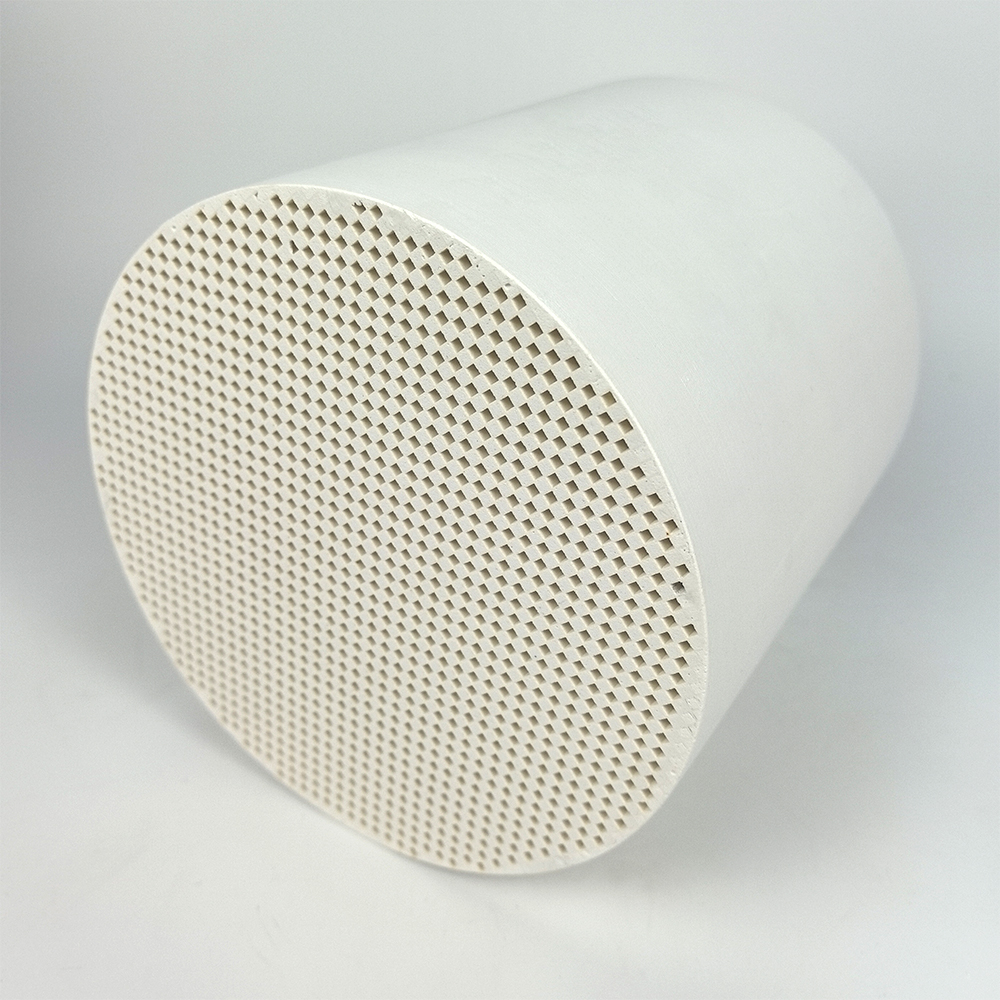
Our manufacturing process ensures that every cordierite DPF honeycomb ceramic meets rigorous dimensional and structural tolerances. Produced with advanced extrusion and coating technologies, our substrates deliver consistent cell density and wall thickness, which are vital for predictable filtration performance.
Backed by R&D cooperation with leading universities including Zhejiang University and Xi'an Jiaotong University, we continuously optimize the material composition for superior thermal shock resistance and mechanical strength.
Low coefficient of thermal expansion prevents cracking during active regeneration cycles.
Tight tolerances ensure perfect fitment into exhaust system housings, reducing installation time.
Selecting the right supplier for cordierite DPF honeycomb ceramics requires evaluating technical capability, production capacity, and supply chain reliability. Buyers should prioritize manufacturers who offer customization services and have proven track records in automotive and industrial applications.
Key factors include the ability to produce various cell densities (CPSI), custom lengths and diameters, and consistent washcoat adhesion. A robust supplier will also provide comprehensive testing data and support for integration into your existing assembly lines.
Procurement Advantage: Partnering with an experienced manufacturer reduces sourcing risk and ensures long-term availability of replacement parts and substrates.
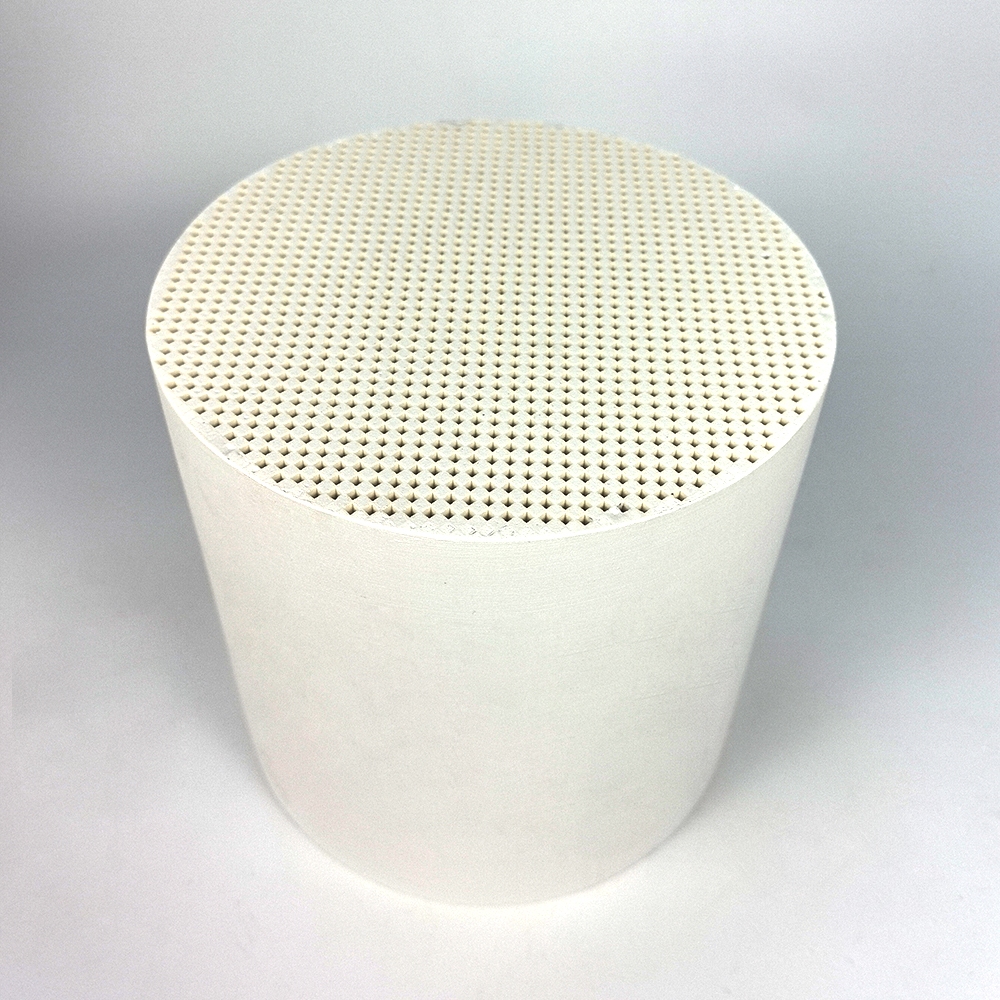
Use this checklist to evaluate potential suppliers and ensure your cordierite DPF honeycomb ceramic orders meet quality and delivery expectations.
Cordierite DPF honeycomb ceramics serve diverse sectors requiring effective particulate matter control. Our products are engineered for specific operational environments, ensuring optimal performance across various engine types and duty cycles.
Heavy-duty trucks and buses require durable DPF solutions capable of handling high soot loads and frequent regeneration cycles.
Light-duty applications demand compact, lightweight filters that meet strict emissions standards without compromising vehicle dynamics.
Construction machinery, generators, and marine engines benefit from customized DPF designs tailored to their unique exhaust profiles.
Agricultural and mining equipment operates in harsh conditions, requiring robust filtration systems resistant to dust and vibration.
Power generation units and pumps utilize DPF technology to reduce environmental impact in compliance with local regulations.
We offer bespoke engineering services for specialized applications, developing tailor-made DPF configurations for unique challenges.
When evaluating suppliers for cordierite DPF honeycomb ceramics, consider these strategic recommendations to build a resilient supply chain.
Prioritize suppliers with in-house R&D facilities and partnerships with academic institutions. This indicates a commitment to innovation and continuous improvement in substrate technology.
Ensure the supplier has sufficient manufacturing capacity to handle bulk orders and peak seasonal demands without compromising quality or delivery schedules.
Suppliers with established relationships with major automotive OEMs and state-owned enterprises demonstrate proven reliability and adherence to industry standards.
Choose partners who can provide end-to-end solutions, including custom dimensions, washcoating, and housing integration, simplifying your procurement workflow.
The lifespan depends on operating conditions and maintenance. Generally, a well-maintained DPF can last the entire service life of the vehicle (approx. 500,000 km for heavy-duty applications). Factors affecting longevity include fuel quality, driving patterns, and regeneration frequency.
Higher cell density (e.g., 600 CPSI vs. 300 CPSI) increases filtration efficiency by providing more surface area for soot capture. However, it may also increase backpressure. The optimal CPSI balances emission reduction with engine performance requirements.
While some DPFs can be cleaned using specialized equipment to remove accumulated ash, severe damage or clogging often necessitates replacement. Cleaning effectiveness varies based on the extent of soot and ash buildup.
Cordierite offers lower thermal conductivity and higher porosity compared to SiC, making it more resistant to thermal shock and less expensive to manufacture. It is widely used in light-duty applications where extreme thermal stability is less critical than cost-effectiveness.
Yes, we provide comprehensive OEM and ODM services, including custom sizing, washcoating, and housing integration. Our engineering team works closely with clients to develop tailored solutions for specific engine platforms and regulatory requirements.
Our company has been committed to the production, research and development of industrial waste gas treatment equipment,We have research and development cooperation with Zhejiang University, Xi 'an... Subscribe Our Newsletter
Related Products List

Privacy statement: Your privacy is very important to Us. Our company promises not to disclose your personal information to any external company with out your explicit permission.
Fill in more information so that we can get in touch with you faster
Privacy statement: Your privacy is very important to Us. Our company promises not to disclose your personal information to any external company with out your explicit permission.