
Email
 Jiangyin Triblues Technology Co., LTD.
Select Language
English


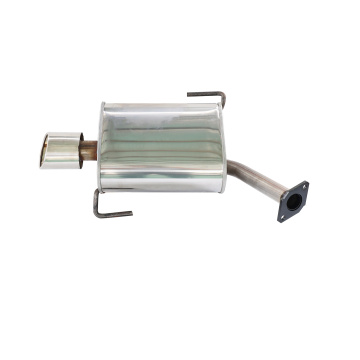


A catalyzed diesel particulate filter (DPF) is an emissions control device installed in the exhaust systems of diesel engines to trap and eliminate harmful soot particles before they are released into the atmosphere. Unlike passive filters, catalyzed DPFs utilize chemical coatings—typically platinum or palladium—to lower the temperature at which soot burns off.
The filter captures particulate matter (PM) in a porous ceramic honeycomb structure. As exhaust flows through, soot accumulates on the walls. The catalyst coating promotes oxidation reactions during normal engine operation, allowing the system to self-clean (regenerate) more frequently and efficiently than uncoated units.
Buyer Benefit: Reduced downtime for maintenance and consistent compliance with strict emission standards (such as EPA Tier 4 or Euro VI), ensuring your fleet or industrial equipment operates legally and efficiently without frequent manual intervention.
At Jiangyin Triblues Technology Co., LTD., our manufacturing process for catalyzed diesel particulate filters is built on rigorous engineering principles and extensive R&D collaboration. We prioritize structural integrity and thermal stability to ensure long service life under heavy-duty conditions.
We maintain strategic research and development cooperation with prestigious institutions including Zhejiang University, Xi'an Jiaotong University, East China University of Science and Technology, and South China University of Technology. This academic partnership ensures our catalyst formulations and carrier designs remain at the forefront of emission control technology.
Our production lines specialize in high-density ceramic carriers and metal honeycomb catalysts. Each unit undergoes precise coating processes to ensure uniform catalyst distribution, maximizing active surface area for optimal soot oxidation efficiency.
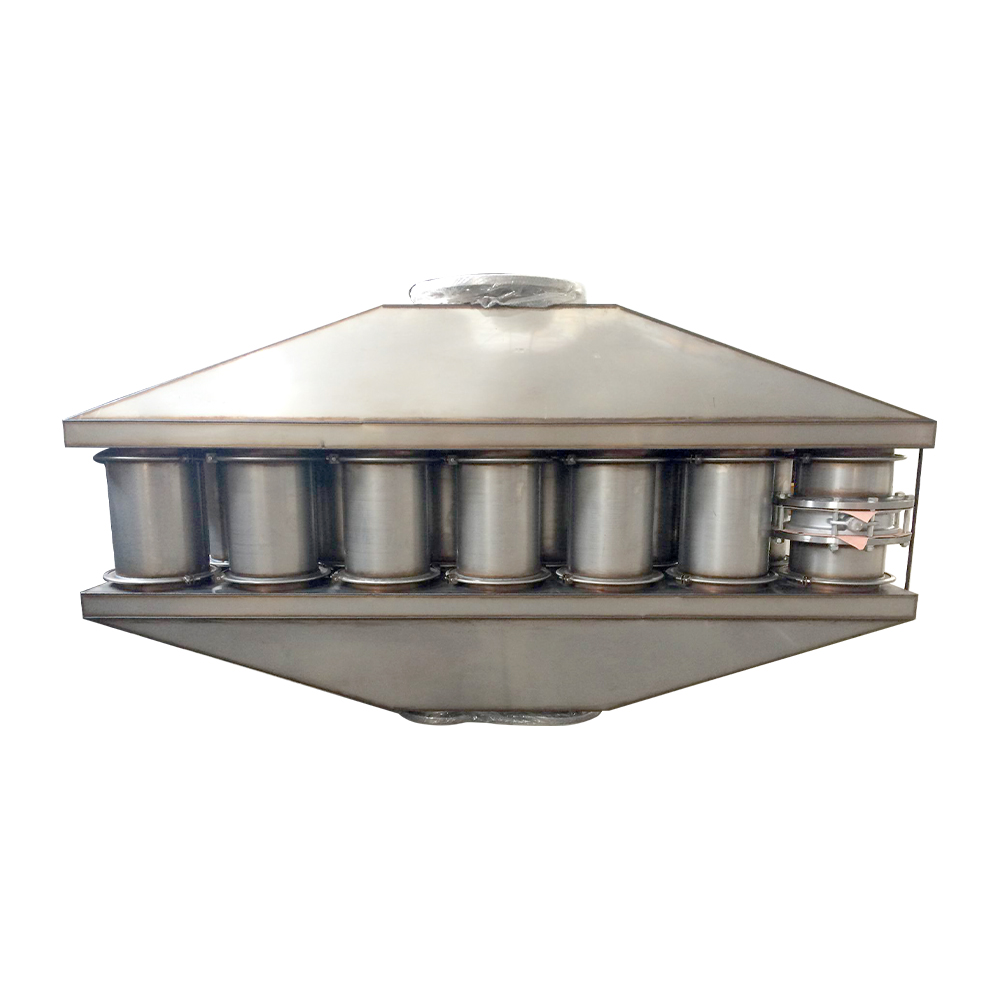
Selecting the correct catalyzed diesel particulate filter requires matching technical specifications to your specific engine application. Whether you are sourcing for motorcycle engines, industrial generators, or heavy-duty vehicles, the right choice prevents backpressure issues and ensures regulatory compliance.
Pro Tip: Always request sample testing data from your supplier to validate performance against your specific engine dyno results before placing bulk orders.

Use this checklist to evaluate potential suppliers and ensure you secure high-quality catalyzed diesel particulate filters that meet your operational requirements.
Supplier confirms fitment for your specific engine model and exhaust parameters.
Products meet relevant regional emission standards (EPA, Euro, etc.).
Supplier has established partnerships with universities or research institutes.
Ability to provide OEM/ODM services for custom dimensions and catalyst formulas.
Proven track record with large enterprises (e.g., state-owned companies) indicates reliability.
Clear warranty terms and technical assistance for installation and troubleshooting.
Procuring emission control devices often comes with challenges. Understanding these common issues helps you mitigate risk and select the right partner.
Problem: The filter blocks too quickly, causing engine power loss and frequent regeneration cycles.
Solution: Ensure the DPF's flow rate (BPH) matches your engine's exhaust output. Ask suppliers about the porosity and cell density of the ceramic substrate. High ash content in engine oil can also accelerate clogging; recommend low-ash oils to end-users.
Problem: The chemical coating loses effectiveness over time, reducing soot oxidation efficiency.
Solution: Verify the catalyst formulation is resistant to sulfur and phosphorus poisoning. Reputable manufacturers like Jiangyin Triblues use advanced coating techniques developed with top universities to enhance durability and resistance.
Problem: Extreme heat spikes cause the ceramic honeycomb to crack or melt.
Solution: Select filters made from silicon carbide (SiC) or cordierite with appropriate thermal shock resistance ratings. Ensure proper engine tuning to prevent excessive exhaust gas temperatures (EGT).
Problem: Custom dimensions do not align with existing exhaust piping, leading to leaks.
Solution: Work with suppliers offering customization services. Provide detailed CAD drawings or physical samples to ensure exact dimensional compatibility. Jiangyin Triblues specializes in customized industrial waste gas treatment equipment to solve these integration challenges.
When selecting a manufacturer for catalyzed diesel particulate filters, partnering with a company that combines academic rigor with industrial experience is critical. Jiangyin Triblues Technology Co., LTD. stands out as a reliable B2B partner for the following reasons:
Direct cooperation with 985 universities (Zhejiang, Xi'an Jiaotong, etc.) provides access to cutting-edge catalyst technologies and proprietary formulations that generic manufacturers cannot match.
Trusted by major state-owned enterprises like Shenyang Jinbei Automobile, CSIC, and Haier Group. This track record demonstrates our ability to meet stringent quality and delivery requirements.
From ceramic carriers and three-way converters to complete industrial waste gas treatment systems, we offer comprehensive solutions that simplify your supply chain and reduce vendor management overhead.
Get answers to common procurement questions regarding catalyzed diesel particulate filters.
A standard DPF relies on passive regeneration or high exhaust temperatures to burn off soot, which may not occur consistently in light-duty or stop-and-go driving. A catalyzed DPF includes a chemical catalyst (platinum/palladium) that lowers the ignition temperature of soot, allowing for more frequent and efficient regeneration even at lower exhaust temperatures, thereby reducing backpressure and fuel consumption.
Yes. Jiangyin Triblues Technology specializes in customization. We can modify the dimensions, flange types, and internal substrate configurations to fit specific engine compartments and exhaust layouts. Providing us with your technical drawings allows us to produce tailored solutions for both automotive and industrial applications.
Our products are designed to meet international emission standards. Given our cooperation with major state-owned enterprises and universities, our manufacturing processes adhere to strict quality control protocols. Specific certification documents (such as CE or ISO) can be provided upon request for formal procurement evaluation.
Lead times vary based on order volume and customization requirements. Standard stock items may ship within days, while custom-manufactured catalyzed DPFs typically require 2-4 weeks for production and quality testing. We recommend initiating discussions early in your procurement cycle to ensure timely delivery.
Absolutely. Beyond automotive parts, we design and install large-scale industrial waste gas treatment equipment. Our expertise covers application on green home appliances and heavy industrial sectors, offering end-to-end engineering support for complex emission control projects.
Our company has been committed to the production, research and development of industrial waste gas treatment equipment,We have research and development cooperation with Zhejiang University, Xi 'an... Subscribe Our Newsletter
Related Products List

Privacy statement: Your privacy is very important to Us. Our company promises not to disclose your personal information to any external company with out your explicit permission.
Fill in more information so that we can get in touch with you faster
Privacy statement: Your privacy is very important to Us. Our company promises not to disclose your personal information to any external company with out your explicit permission.