
Email
 Jiangyin Triblues Technology Co., LTD.
Select Language
English


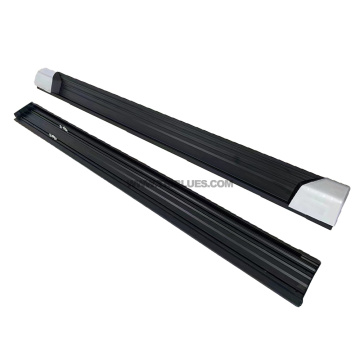

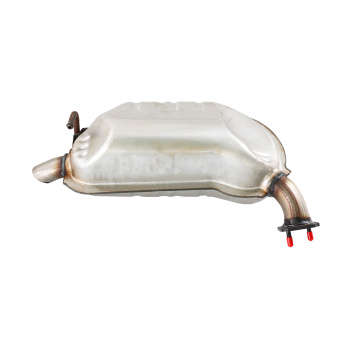
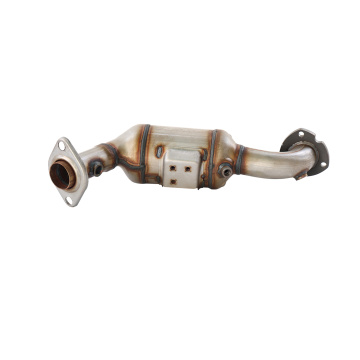


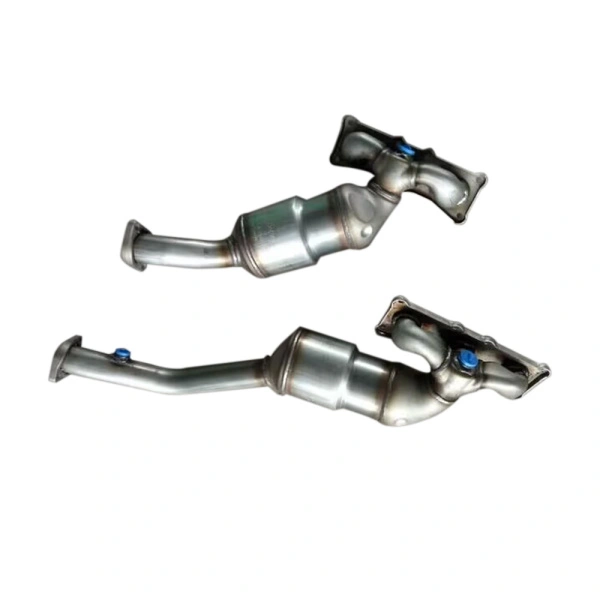
A BMW catalytic converter is an essential emissions control device designed to reduce toxic gases produced by the engine before they exit the exhaust system. For BMW owners and fleet managers, maintaining this component is critical for environmental compliance and vehicle performance.
Our company, Jiangyin Triblues Technology Co., LTD., specializes in high-performance ceramic catalysts and metal honeycomb catalysts tailored for premium automotive applications. We understand that for luxury vehicles like BMW, the converter must not only meet strict emission standards but also maintain the acoustic signature and power delivery expected by the driver.
The core technology relies on a washcoat containing precious metals (Platinum, Palladium, Rhodium) applied to a ceramic or metallic substrate. This substrate provides a massive surface area for chemical reactions that convert harmful hydrocarbons (HC), carbon monoxide (CO), and nitrogen oxides (NOx) into harmless water vapor, carbon dioxide, and nitrogen.
At Jiangyin Triblues, we combine academic rigor with industrial precision. Our R&D cooperation with top Chinese universities (Zhejiang University, Xi'an Jiaotong University, etc.) ensures our manufacturing processes are backed by cutting-edge scientific research.
We produce high-density ceramic carriers with precise channel configurations. These carriers offer superior thermal stability and light-off performance, crucial for the stop-and-go driving conditions many BMW owners face.
For applications requiring higher durability and lower backpressure, our metal honeycomb catalysts provide robust protection against physical impact while maintaining efficient gas flow.
Every batch undergoes stringent testing for dimensional accuracy, pressure drop, and emission reduction efficiency. We ensure that every unit meets or exceeds OEM specifications for BMW models.
Our close cooperation with state-owned enterprises and major automotive manufacturers validates our production capabilities and quality management systems.
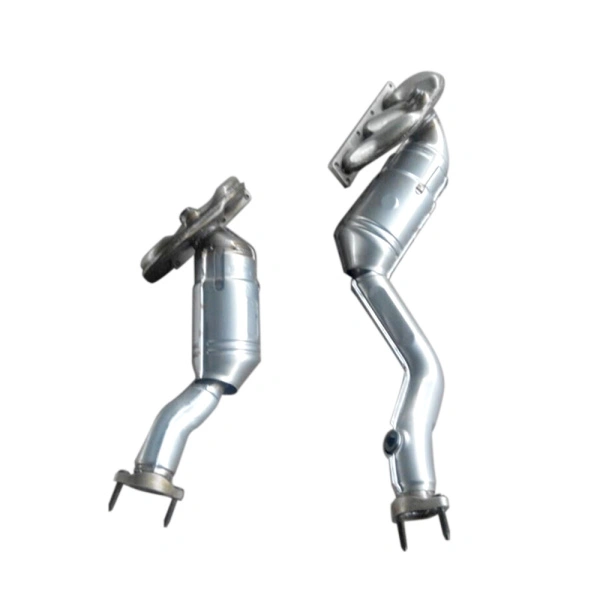
Selecting the correct replacement or aftermarket catalytic converter for your BMW requires attention to specific technical details. A mismatch can lead to check engine lights, failed inspections, or reduced engine performance.
Determine if your BMW model uses a ceramic catalyst or a metal honeycomb catalyst. Ceramic is standard for most gasoline engines due to its cost-effectiveness and high efficiency at operating temperature. Metal is often used for diesel applications or high-performance variants requiring greater durability.
The number of channels per square inch (CPI) affects both emission conversion efficiency and exhaust backpressure. Higher CPI provides better conversion but increases backpressure. We recommend matching the original equipment manufacturer (OEM) specifications exactly to ensure optimal engine breathing.
BMW exhaust systems vary significantly between models (3 Series, 5 Series, X5, etc.). Ensure the inlet/outlet flange dimensions and overall length match your existing exhaust pipe to avoid custom fabrication costs.
When sourcing replacement parts or bulk orders for BMW components, use this checklist to evaluate potential suppliers and minimize procurement risk.
Understanding common failure modes helps in diagnosing issues early and selecting more durable replacements.
Over time, the precious metals on the substrate can become poisoned by fuel additives or oil consumption. This reduces the conversion efficiency, leading to increased emissions and potentially failing an inspection.
Road debris or impacts can crack ceramic substrates or dent metal housings. A cracked converter will rattle and lose effectiveness. Metal honeycomb options offer better resistance to physical shock.
Engine misfires or rich fuel mixtures can cause excessive heat, melting the substrate. This blocks exhaust flow, causing significant power loss. Ensuring the engine is tuned correctly is vital for converter longevity.
Faulty oxygen sensors upstream or downstream of the converter can trigger check engine lights. Always diagnose sensor health before replacing the converter to avoid unnecessary costs.
While we specialize in BMW components, our expertise in industrial waste gas treatment and automotive catalysts applies across several sectors.
Providing high-quality replacement catalytic converters for independent repair shops and dealerships servicing BMW vehicles globally.
Leveraging our core competency in large-scale industrial waste gas treatment equipment for factories and manufacturing plants.
Supplying Diesel Particulate Filters (DPF) and catalysts for backup power generators, ensuring compliance in urban environments.
Applying our catalyst technology to emerging green home appliance markets, focusing on air purification and emission reduction.
Partnering with automotive manufacturers and tier-1 suppliers for original equipment integration.
Offering customized solutions for unique exhaust systems in modified vehicles or specialized machinery.
As a trusted partner for BMW aftermarket needs, we offer distinct advantages over generic suppliers.
Unlike standard trading companies, we collaborate with prestigious universities (Zhejiang, Xi'an Jiaotong, etc.), ensuring our products benefit from advanced material science research.
We supply Ceramic Catalysts, Metal Honeycomb Catalysts, and Diesel Particulate Filters (DPF). One supplier for all your BMW emissions control needs simplifies procurement.
Our business cooperation with state-owned enterprises like Shenyang Jinbei Automobile and Haier Group demonstrates our reliability and capacity for large-scale operations.
We don't just sell off-the-shelf. We offer customization and installation services for both automotive and industrial applications, tailoring solutions to your specific requirements.
Ceramic catalysts are the industry standard for most BMW gasoline engines due to their high efficiency and cost-effectiveness. They offer excellent thermal stability. Metal catalysts are typically used for diesel applications or high-performance variants where greater durability against physical impact and lower backpressure are required.
Signs include a illuminated check engine light (often P0420 code), a noticeable rotten egg smell from the exhaust, reduced engine power, or failing an emissions test. Professional diagnostic tools can measure the efficiency of the converter by comparing upstream and downstream oxygen sensor readings.
While universal converters exist, they are not recommended for modern BMWs. They may not fit precisely, require expensive custom welding, and often lack the exact washcoat formulation needed for your specific engine's emissions profile. Custom-fit converters ensure proper fitment and optimal performance.
Yes. In addition to standard replacement parts, we offer customization services for both automotive catalysts and industrial waste gas treatment equipment. If you have specific dimensional or performance requirements, our engineering team can develop a tailored solution.
Lead times depend on order volume and whether the part is stock or custom. Standard items may ship quickly from inventory. Custom orders typically require 15-30 days depending on complexity. Contact us directly for a precise quote and timeline based on your specific order.
Our company has been committed to the production, research and development of industrial waste gas treatment equipment,We have research and development cooperation with Zhejiang University, Xi 'an... Subscribe Our Newsletter
Related Products List

Privacy statement: Your privacy is very important to Us. Our company promises not to disclose your personal information to any external company with out your explicit permission.
Fill in more information so that we can get in touch with you faster
Privacy statement: Your privacy is very important to Us. Our company promises not to disclose your personal information to any external company with out your explicit permission.