
Email
 Jiangyin Triblues Technology Co., LTD.
Select Language
English


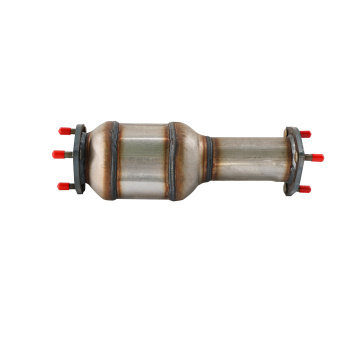
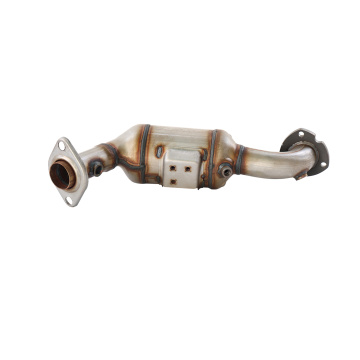


A car muffle, technically known as an exhaust muffler, is a critical component of your vehicle's exhaust system designed to reduce noise pollution and optimize engine performance. For professional fleet managers and automotive enthusiasts alike, understanding the function of this component is essential for maintaining vehicle efficiency and compliance with environmental standards.
The primary purpose of a car muffler is to dampen the loud noises produced by the engine's combustion process. By channeling exhaust gases through a series of chambers and baffles, it significantly reduces decibel levels without impeding the flow of gases. This balance between noise reduction and exhaust flow is crucial for maintaining fuel efficiency and engine health.
Beyond noise control, modern car mufflers often integrate catalytic converter functions to treat harmful emissions. Choosing the right quality ensures that your vehicle meets strict emission regulations while providing a smoother, quieter driving experience. High-quality components, such as those manufactured with advanced ceramic or metal honeycomb technologies, offer superior durability against corrosion and heat.
Our manufacturing process utilizes high-grade ceramic carriers and metal honeycomb catalysts. These materials provide exceptional thermal stability and resistance to corrosion, ensuring a longer lifespan for your car muffler even under extreme operating conditions.
We collaborate with leading universities, including Zhejiang University and Xi'an Jiaotong University, to refine our production techniques. This academic partnership ensures that our car mufflers are built on cutting-edge research, offering superior filtration and noise reduction capabilities compared to standard market alternatives.
Every unit undergoes strict quality control checks. From raw material inspection to final assembly, we ensure that each car muffler meets international performance standards. This commitment to quality minimizes warranty claims and ensures consistent performance for your fleet or inventory.
| Selection Criteria | Why It Matters | Recommended Specification |
|---|---|---|
| Material Composition | Determines resistance to rust and heat degradation over time. | Premium stainless steel or ceramic-coated metal honeycomb for maximum durability. |
| Emission Compliance | Ensures your vehicle passes local environmental inspections and avoids fines. | Catalytic converters integrated within the muffler system meeting Euro 6 or local EPA standards. |
| Noise Reduction Efficiency | Directly impacts driver comfort and regulatory noise limits. | Multi-chamber design with sound-absorbing baffles optimized for specific engine frequencies. |
| Compatibility | Prevents installation delays and fitment issues. | Custom-fit designs verified for specific vehicle models (e.g., diesel engines, passenger cars). |
Before finalizing your procurement order, use this checklist to ensure you are sourcing high-quality car muffles that meet your operational requirements.
Our car muffles and related exhaust components serve a diverse range of industries, from personal transportation to heavy-duty industrial operations.
Standard passenger vehicles and commercial fleets require precise noise reduction and emission control to comply with road regulations.
Large-scale facilities use our ceramic catalysts and mufflers to treat industrial waste gas, ensuring environmental compliance and worker safety.
Power generation units benefit from robust diesel particulate filters and mufflers to minimize operational noise and filter harmful particulates.
Innovative applications in home appliances utilize our technology to enhance energy efficiency and reduce environmental impact.
Low-quality materials can rust quickly, leading to exhaust leaks and increased noise. Solution: Specify manufacturers using high-grade stainless steel or ceramic coatings to prevent rust and extend service life.
Poorly designed internal baffles may fail to dampen sound effectively, resulting in a harsh driving experience. Solution: Request acoustic testing data and choose suppliers with R&D backing to ensure optimal sound engineering.
Substandard catalytic converters may not effectively reduce toxic gases, risking legal penalties. Solution: Partner with certified manufacturers who use advanced metal honeycomb catalysts to guarantee emission standards are met.
When selecting a partner for your car muffler needs, look for a supplier that combines manufacturing expertise with scientific innovation.
A trusted leader in industrial waste gas treatment and automotive parts. We offer a comprehensive range of products including ceramic carriers, three-way catalyst converters, and diesel particulate filters.
Unlike generic manufacturers, we maintain cooperation with prestigious institutions like Zhejiang University and East China University of Science and Technology, ensuring our products are at the forefront of technology.
We have established close cooperation with state-owned large enterprises such as Shenyang Jinbei Automobile and Haier Group, proving our ability to deliver high-volume, high-quality solutions.
While both are part of the exhaust system, they serve different functions. A car muffler primarily reduces noise by dissipating sound waves through internal chambers. A catalytic converter treats harmful emissions by converting toxic gases into less harmful substances. Modern systems often integrate both functions into a single unit for efficiency.
With proper maintenance and high-quality materials like stainless steel or ceramic coatings, a car muffler can last the lifetime of the vehicle, often exceeding 10 years or 100,000 miles. However, exposure to road salt and moisture can accelerate corrosion if lower-quality materials are used.
Yes, many manufacturers, including Jiangyin Triblues Technology, offer customization services. You can specify dimensions, inlet/outlet positions, and internal baffle configurations to ensure a perfect fit and optimal performance for your specific engine type and vehicle model.
For industrial applications, ceramic carriers and metal honeycomb catalysts are preferred due to their high thermal resistance and durability. These materials can withstand the extreme temperatures and corrosive chemicals found in industrial waste gas environments better than standard automotive materials.
Yes, a clogged or damaged muffler can restrict exhaust flow, causing backpressure in the engine. This forces the engine to work harder, which can lead to decreased fuel efficiency, reduced power, and potential engine damage over time. Regular inspections are recommended to maintain optimal performance.
Our company has been committed to the production, research and development of industrial waste gas treatment equipment,We have research and development cooperation with Zhejiang University, Xi 'an... Subscribe Our Newsletter
Related Products List

Privacy statement: Your privacy is very important to Us. Our company promises not to disclose your personal information to any external company with out your explicit permission.
Fill in more information so that we can get in touch with you faster
Privacy statement: Your privacy is very important to Us. Our company promises not to disclose your personal information to any external company with out your explicit permission.