
Email
 Jiangyin Triblues Technology Co., LTD.
Select Language
English


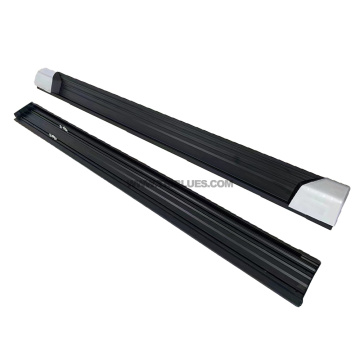


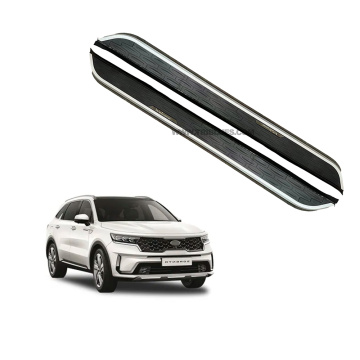

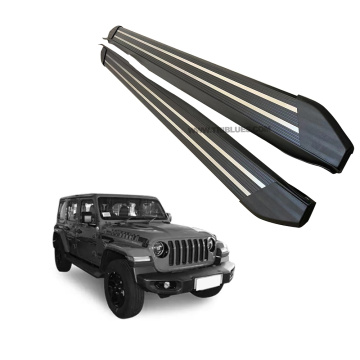
Toyota side steps, also known as running boards or nerf bars, are structural accessories designed to enhance vehicle accessibility and aesthetics for the Toyota Tacoma, Tundra, 4Runner, Land Cruiser, and other models.
These components serve a dual purpose: they provide a convenient step for passengers entering and exiting higher-clearance SUVs and trucks, while simultaneously offering underbody protection against road debris, rocks, and corrosion.
For fleet managers and procurement specialists, choosing the right side step involves balancing rugged durability with aerodynamic efficiency. High-quality units are engineered to withstand harsh environments without adding excessive weight or wind resistance that could impact fuel economy.
Sourcing precision-engineered Toyota side steps ensures long-term reliability and maintains the vehicle's resale value.

The manufacturing of side steps for Toyota vehicles demands rigorous quality control to ensure they can withstand the rigors of off-road use and daily commuting. Our production facilities utilize advanced CNC machining and robotic welding to guarantee consistent tolerances across every unit produced.
Why This Matters: Consistent manufacturing reduces installation delays and eliminates the need for field modifications, saving your team time and labor costs during fleet assembly or aftermarket distribution.
We source high-grade aluminum alloys and stainless steel that offer an optimal strength-to-weight ratio. These materials resist denting, cracking, and corrosion, ensuring the side steps maintain their structural integrity over thousands of miles.
Every unit undergoes a multi-stage surface treatment process, including priming, powder coating, or anodizing. This protects against UV degradation, salt spray, and chemical exposure from road treatments, preserving both function and appearance.
Before shipment, side steps are subjected to static load tests to verify they can support adult weight safely. This certification is critical for safety compliance and reducing liability risks for distributors and end-users.
Using 3D scanning technology, we map the exact mounting points of each Toyota model. This ensures a bolt-on installation experience with no gaps, rattles, or alignment issues, streamlining the supply chain by eliminating custom fabrication needs.
Selecting the appropriate side step requires evaluating several factors beyond simple aesthetics. Buyers must consider the intended use case—whether for off-road rock crawling, daily highway commuting, or urban styling—and match the product specifications accordingly.
Aluminum: Lightweight and rust-proof, ideal for maximizing fuel efficiency and handling. Best for buyers prioritizing performance and easy installation.
Stainless Steel: Heavier but extremely durable. Preferred for heavy-duty applications, towing, and extreme off-road conditions where impact resistance is paramount.
Look for integrated tread patterns or insert inserts that provide slip resistance in wet or muddy conditions. Rolled tube designs offer a sleek look, while flat panel steps provide maximum foot stability for easier entry into tall trucks like the Tundra.
Clamp-on systems offer non-invasive installation, preserving the vehicle's factory structure. Drilled-and-bolted options provide superior rigidity for severe duty cycles. Evaluate your installer's capability and warranty requirements when choosing.
Modern side steps feature streamlined profiles that deflect airflow around the vehicle's lower body. This reduces drag coefficients, helping to mitigate the fuel economy penalties typically associated with bulky aftermarket accessories.

Use this comprehensive checklist to evaluate potential suppliers and products. Ensuring each criterion is met minimizes procurement risk and guarantees that the side steps you order will perform as expected in the field.
Procuring aftermarket accessories often comes with hidden challenges. Understanding these common pitfalls allows buyers to implement preventive measures, avoid costly returns, and maintain smooth operations within their supply chain.
Buying side steps without verifying the exact model year and trim can lead to incorrect bracket lengths or mounting hole misalignments. Always cross-reference part numbers before placing large orders.
Low-quality coatings may peel or bubble after exposure to road salt or car wash chemicals. Specify vendors who provide salt-spray test reports to ensure long-term cosmetic durability.
Vibration from off-road use can loosen poorly torqued bolts. Ensure the supplier provides locking nuts or thread-locking recommendations to prevent noise and component failure over time.
Side steps are long, tubular items prone to bending during transit. Require suppliers to use reinforced crating and corner protectors to minimize damage rates upon arrival at your warehouse.
Toyota vehicles equipped with side steps serve a diverse range of professional and recreational industries. The robustness of these accessories makes them suitable for demanding environments where vehicle access and protection are critical.
Tour operators in rugged terrains rely on side steps for quick and safe passenger boarding in remote locations where ground clearance is uneven.
Fire departments and search-and-rescue teams use modified Toyota trucks where rapid deployment and easy access to equipment bays are essential.
Fleet vehicles benefit from side steps that protect the rocker panels from cargo loading impacts and provide safer footing for drivers making frequent stops.
School districts and campus shuttles use Toyota vans and trucks with side steps to assist children, elderly passengers, and individuals with mobility challenges.
Film crews transporting heavy gear in remote locations require durable vehicles where side steps facilitate the safe loading of equipment racks and cameras.
Farmers and ranchers depend on side steps for navigating muddy terrain and accessing high cabs, protecting vehicles from brush and livestock contact.
Choosing the right manufacturing partner is as important as selecting the product itself. When sourcing side steps for Toyota vehicles, prioritize suppliers who demonstrate technical depth, reliable logistics, and responsive customer support.
Select suppliers who provide detailed CAD drawings, material certificates, and fitment guides. This level of documentation reduces engineering queries and accelerates your internal approval processes.
Ensure your manufacturer has the infrastructure to handle peak season volumes without compromising quality. A scalable partner prevents stockouts and keeps your distribution channels flowing smoothly.
Look for suppliers with established relationships with major automotive brands and universities for R&D collaboration. This indicates a commitment to innovation and continuous improvement in product design.
A reliable supplier offers clear warranty policies, rapid replacement for defective units, and dedicated account management to resolve any issues quickly, minimizing downtime for your customers.
Addressing common inquiries helps procurement teams make informed decisions and streamline the purchasing process for Toyota accessories.
While any external accessory adds some drag, modern side steps are designed with aerodynamic contours to minimize air resistance. High-quality units typically result in a negligible decrease in fuel efficiency (less than 1%), which is often offset by the protection benefits they provide to the vehicle's undercarriage.
Many premium side steps utilize clamp-on mounting systems that attach to existing factory holes or frame rails without requiring permanent modification. This "no-drill" approach preserves the vehicle's warranty and resale value, making it ideal for fleet managers who rotate vehicles frequently.
With proper maintenance, aluminum side steps can last the entire lifespan of the vehicle. Aluminum naturally resists rust, and when combined with a high-quality powder coat finish, it can withstand decades of exposure to sun, rain, and road salts without significant degradation.
Yes, most side steps come in a primer state or accept standard automotive paints. However, factory-applied finishes are usually more durable due to industrial curing processes. Custom painting should be done by professionals to ensure adhesion and longevity, especially in harsh climates.
Yes, one of the primary functions of side steps is to shield the vehicle's rocker panels and door sills from flying rocks and debris. Heavy-duty steel steps offer maximum impact resistance, while aluminum steps provide good protection with the added benefit of reduced weight.
Minimum order quantities vary by supplier and customization requirements. Standard stock items often have low MOQs, allowing for trial orders. For custom-colored or branded side steps, manufacturers may require higher volumes to cover setup costs. It is advisable to discuss volume discounts early in the negotiation process.
Our company has been committed to the production, research and development of industrial waste gas treatment equipment,We have research and development cooperation with Zhejiang University, Xi 'an... Subscribe Our Newsletter
Related Products List

Privacy statement: Your privacy is very important to Us. Our company promises not to disclose your personal information to any external company with out your explicit permission.
Fill in more information so that we can get in touch with you faster
Privacy statement: Your privacy is very important to Us. Our company promises not to disclose your personal information to any external company with out your explicit permission.