
Email
 Jiangyin Triblues Technology Co., LTD.
Select Language
English


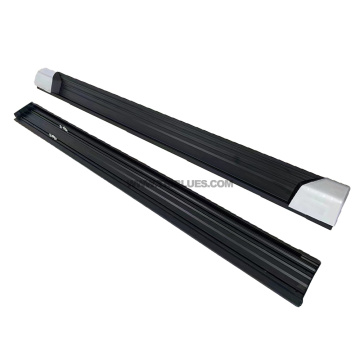

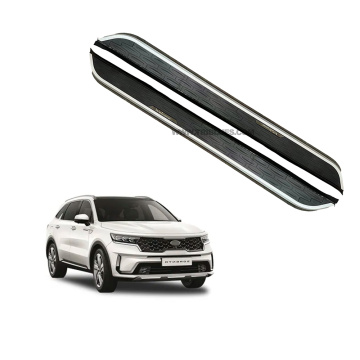

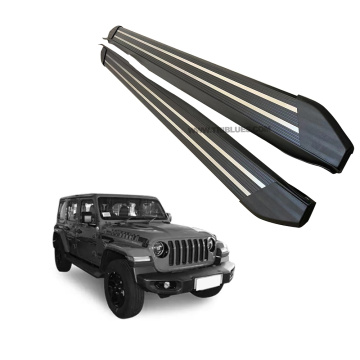


A side step, also known as a running board or nerf bar, is an automotive accessory designed to assist occupants in entering and exiting vehicles while enhancing the vehicle's rugged aesthetic profile. For off-road enthusiasts and daily commuters alike, these components bridge the gap between the ground and elevated chassis heights, providing a secure foothold.
Modern side steps are engineered not just for utility but for aerodynamic efficiency and structural integrity. Crafted from high-grade aluminum alloys or heavy-duty steel, they offer corrosion resistance and impact durability. Whether you are driving a pickup truck, SUV, or commercial van, installing quality side steps improves accessibility and protects your vehicle's lower body panels from road debris.
Our manufacturing process utilizes advanced CNC machining and robotic welding to ensure every side step fits your vehicle with factory-level precision. This eliminates rattles and vibration, ensuring a quiet and smooth ride even on rough terrain.
We apply multi-layer powder coating and electrostatic painting processes that resist UV damage, salt corrosion, and scratches. This ensures your side steps maintain their appearance and structural integrity for years, regardless of environmental exposure.
Every batch undergoes load-bearing tests exceeding industry standards. We verify weight capacity and impact resistance to guarantee safety for passengers of all sizes, providing peace of mind for families and professional drivers.
We source aerospace-grade aluminum and stainless steel materials. These metals offer an optimal strength-to-weight ratio, adding minimal drag to fuel economy while maximizing durability against rock strikes and off-road obstacles.
Ensure the side step is specifically molded for your make and model. Universal fitments often require drilling and can compromise aesthetics. Look for direct bolt-on designs that utilize existing mounting points for a seamless installation.
Aluminum side steps are lightweight and rust-proof, ideal for coastal or wet climates. Steel steps offer superior impact resistance for extreme off-roading. Consider your primary use case to choose the right balance of weight and toughness.
Choose between tubular bars for classic looks, flat steps for maximum footing area, or retractable steps for a sleek, hidden appearance when not in use. The design should complement your vehicle's lines and functional needs.
As a specialized manufacturer, we focus on precision engineering and durable materials. Our expertise in automotive parts ensures that our side steps meet strict dimensional tolerances and performance standards.
We offer OEM/ODM services to tailor side steps to specific brand identities. From custom logo integration to unique color matching, we help distributors and brands differentiate their product offerings in the aftermarket.
Our supply chain is optimized for international shipping, ensuring timely delivery to global markets. We provide comprehensive packaging solutions to protect products during transit, minimizing damage risks.
Misalignment often occurs when mounting brackets are not leveled correctly before tightening bolts. To prevent this, use a temporary test fit to adjust positions before final securing. Ensure all mounting points are clean and free of debris to allow for precise placement.
Vibrations can cause metal-on-metal contact, leading to annoying noises. Use rubber isolators or nylon washers between the bracket and the vehicle frame. Applying a small amount of thread-locking adhesive to bolts can also prevent them from loosening over time.
Installing low-profile side steps on a lifted vehicle can lead to clearance issues on trails. Always measure the lowest point of your new side step relative to your tires and suspension travel. Opt for slim-profile or retractable steps if you plan to tackle steep inclines.
Drilling into the vehicle frame or using abrasive clamps can damage factory paint. Use protective pads under all contact points. If drilling is required, seal the holes immediately with a rust-inhibiting primer to prevent long-term corrosion issues.
Our company has been committed to the production, research and development of industrial waste gas treatment equipment,We have research and development cooperation with Zhejiang University, Xi 'an... Subscribe Our Newsletter
Related Products List

Privacy statement: Your privacy is very important to Us. Our company promises not to disclose your personal information to any external company with out your explicit permission.
Fill in more information so that we can get in touch with you faster
Privacy statement: Your privacy is very important to Us. Our company promises not to disclose your personal information to any external company with out your explicit permission.